
Last updated September 10, 2026
Level 1 sweep and inspection to the NFPA 211 annual standard - flue, crown, cap, and flashing checked and photographed
Chimney sweep logs do not sweep chimneys. They loosen some creosote - which then falls where a brush and vacuum still have to collect it.
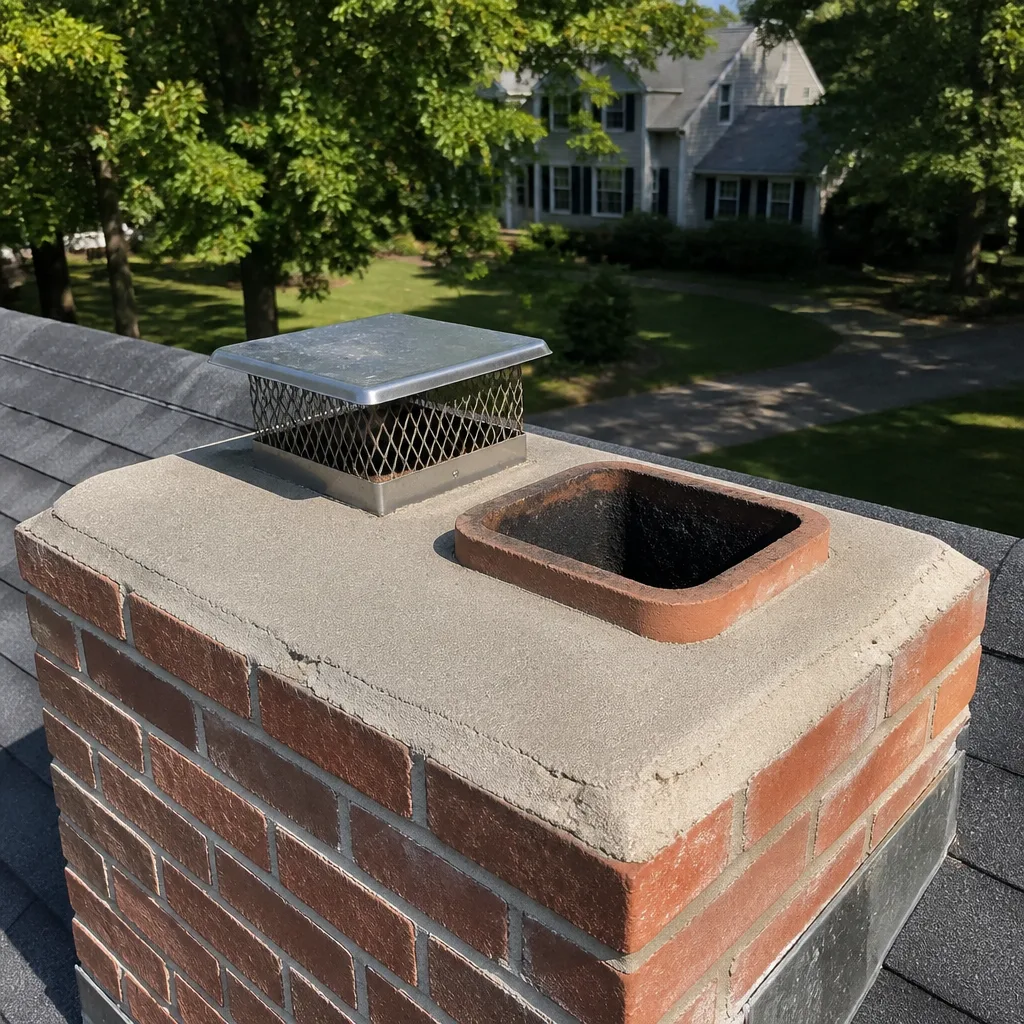
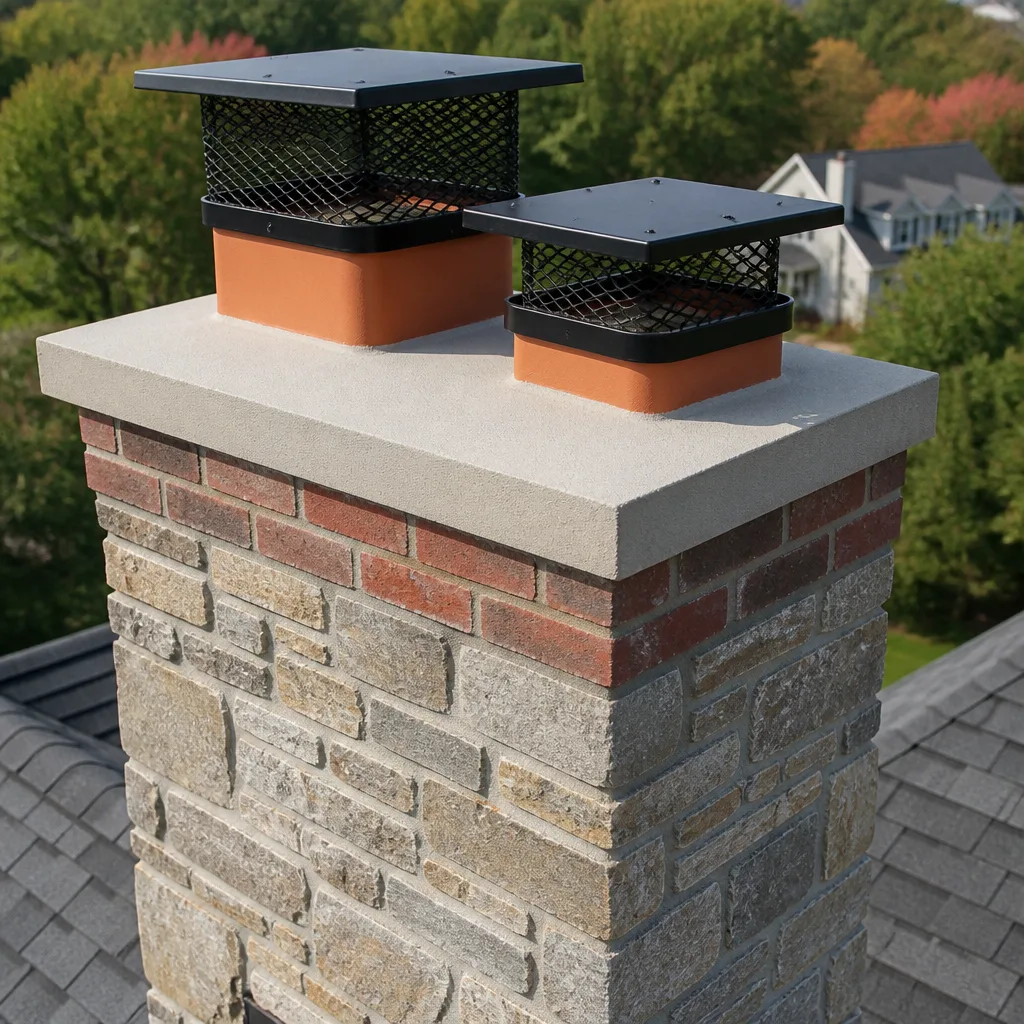
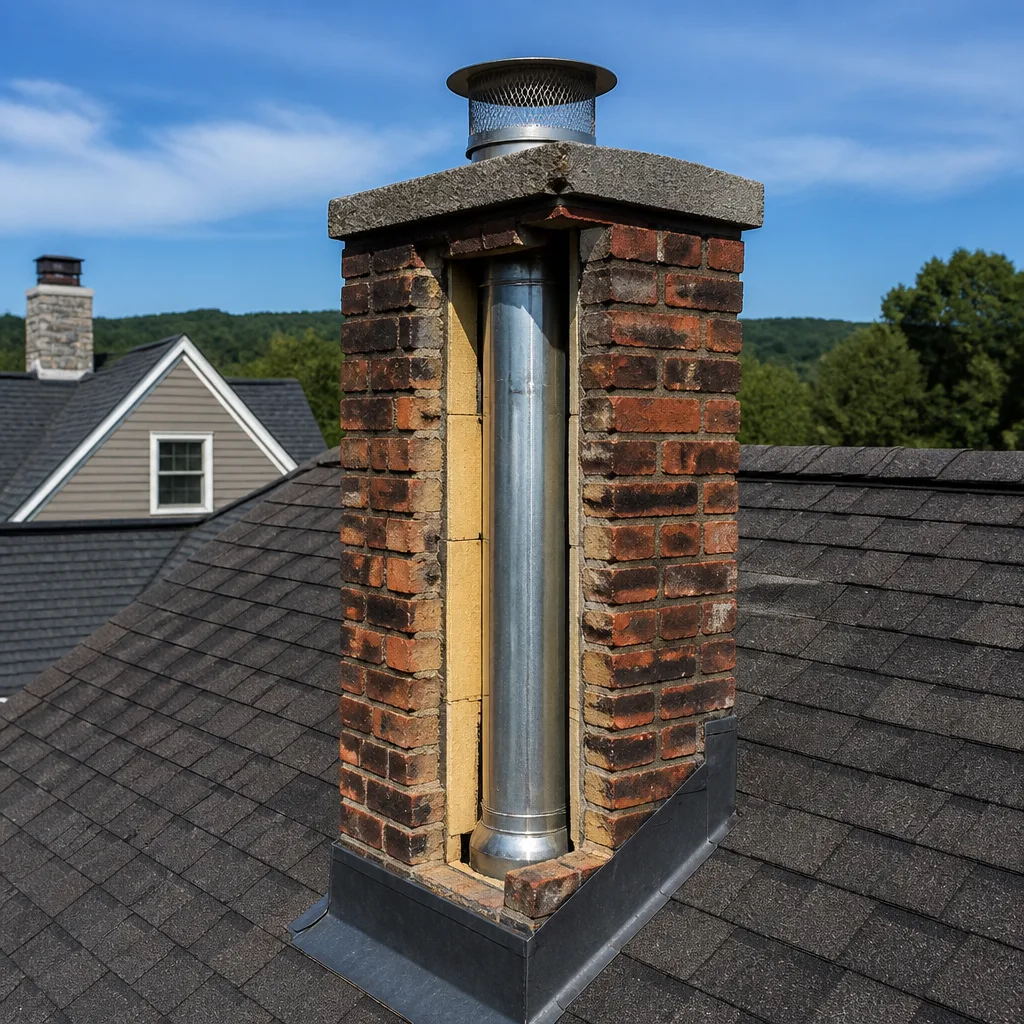
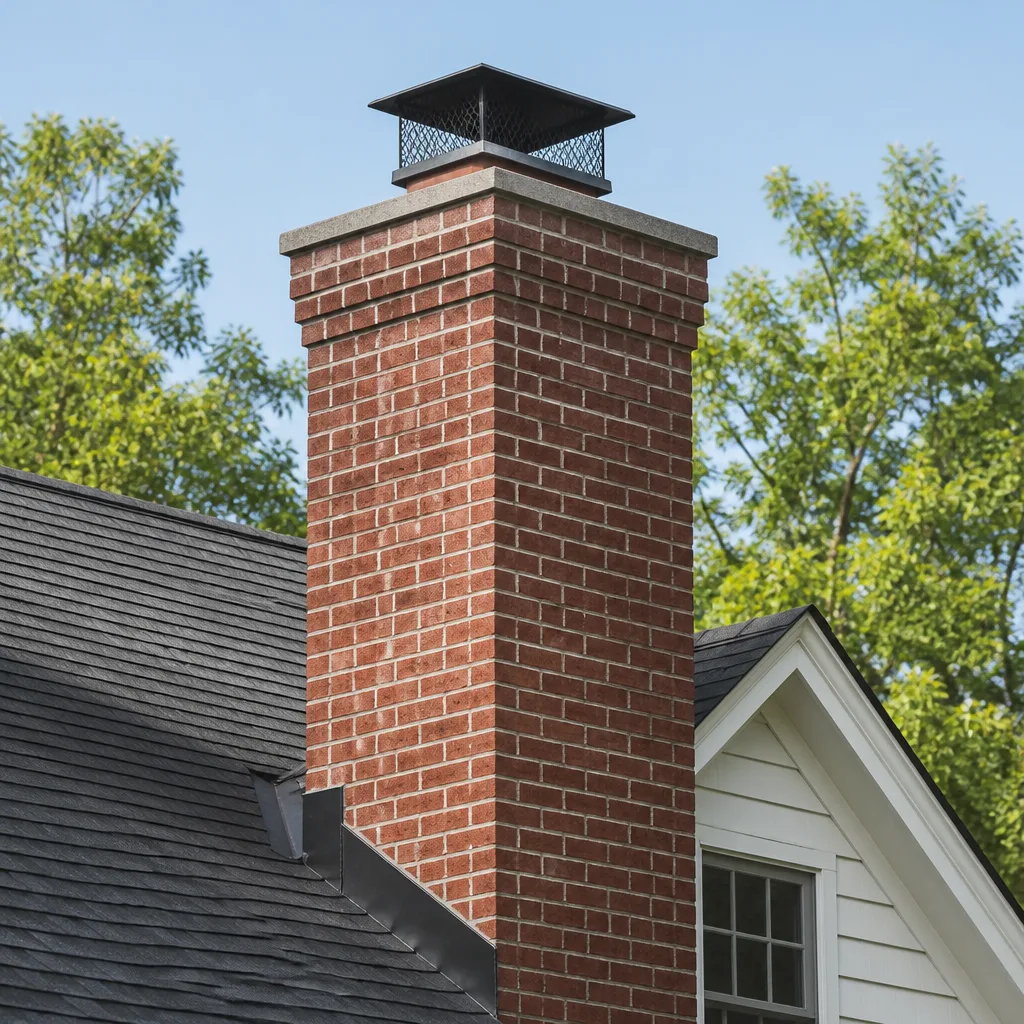
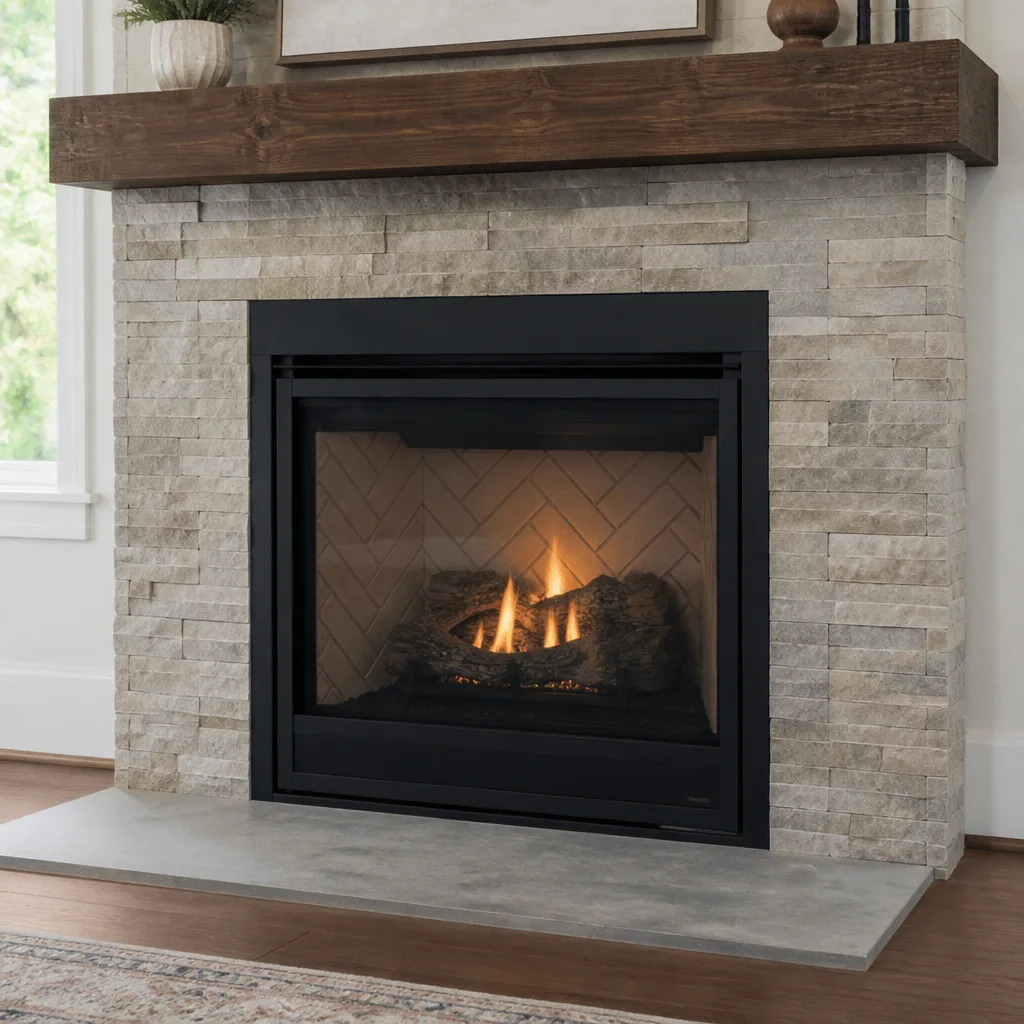
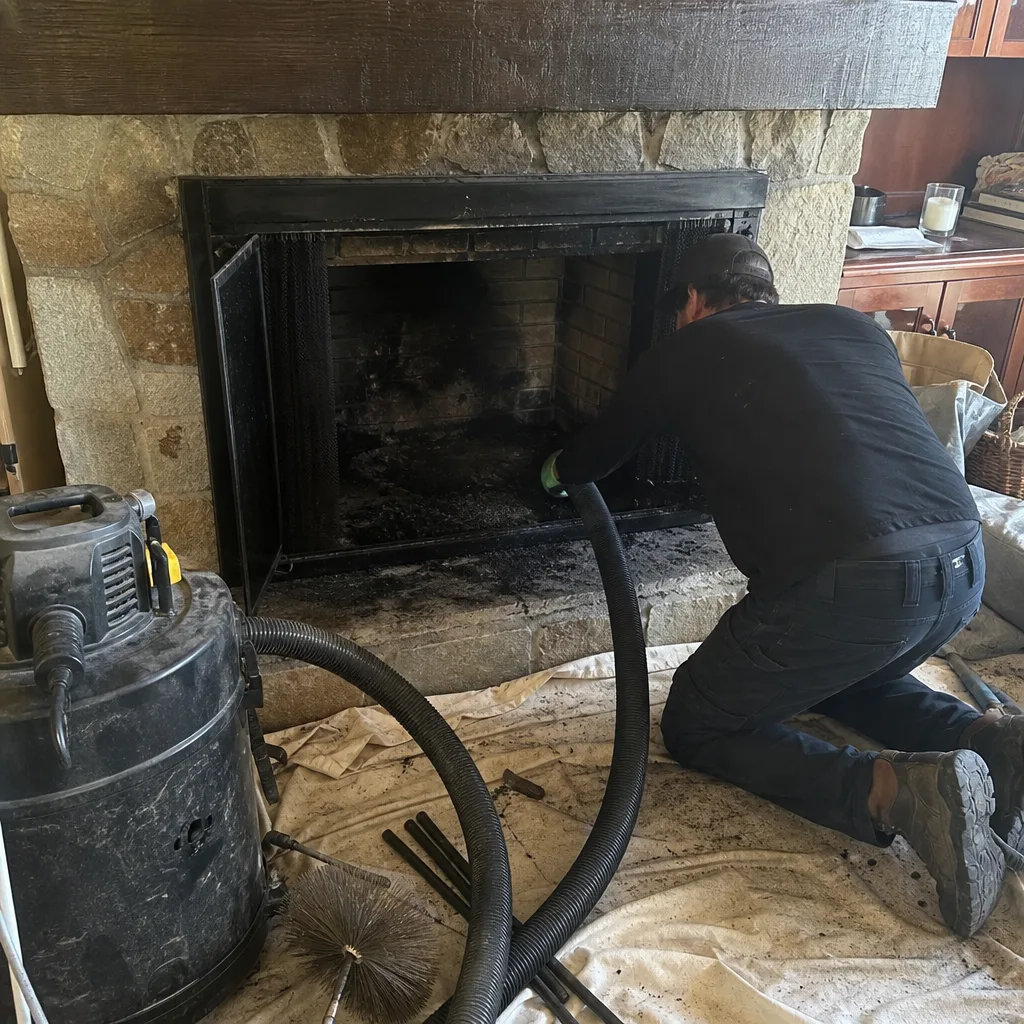 Before
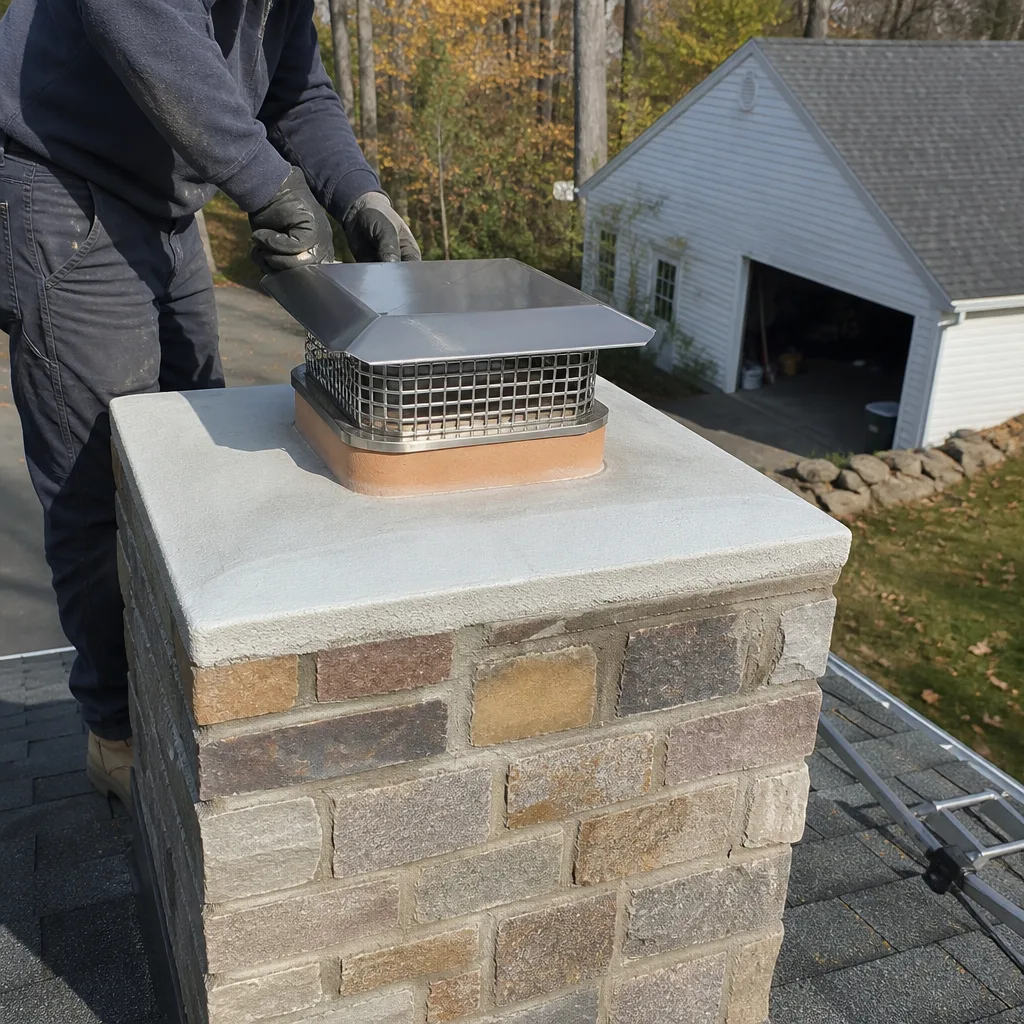 After
After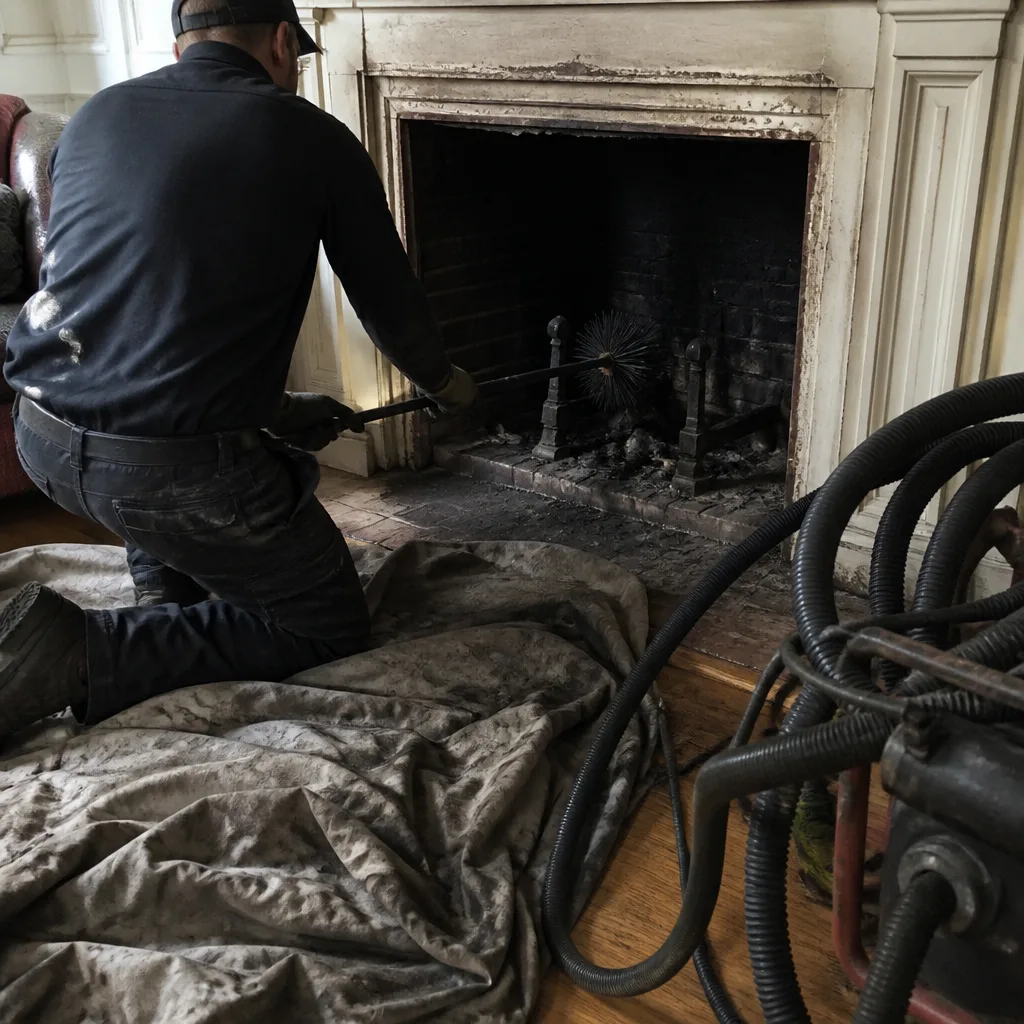 Before
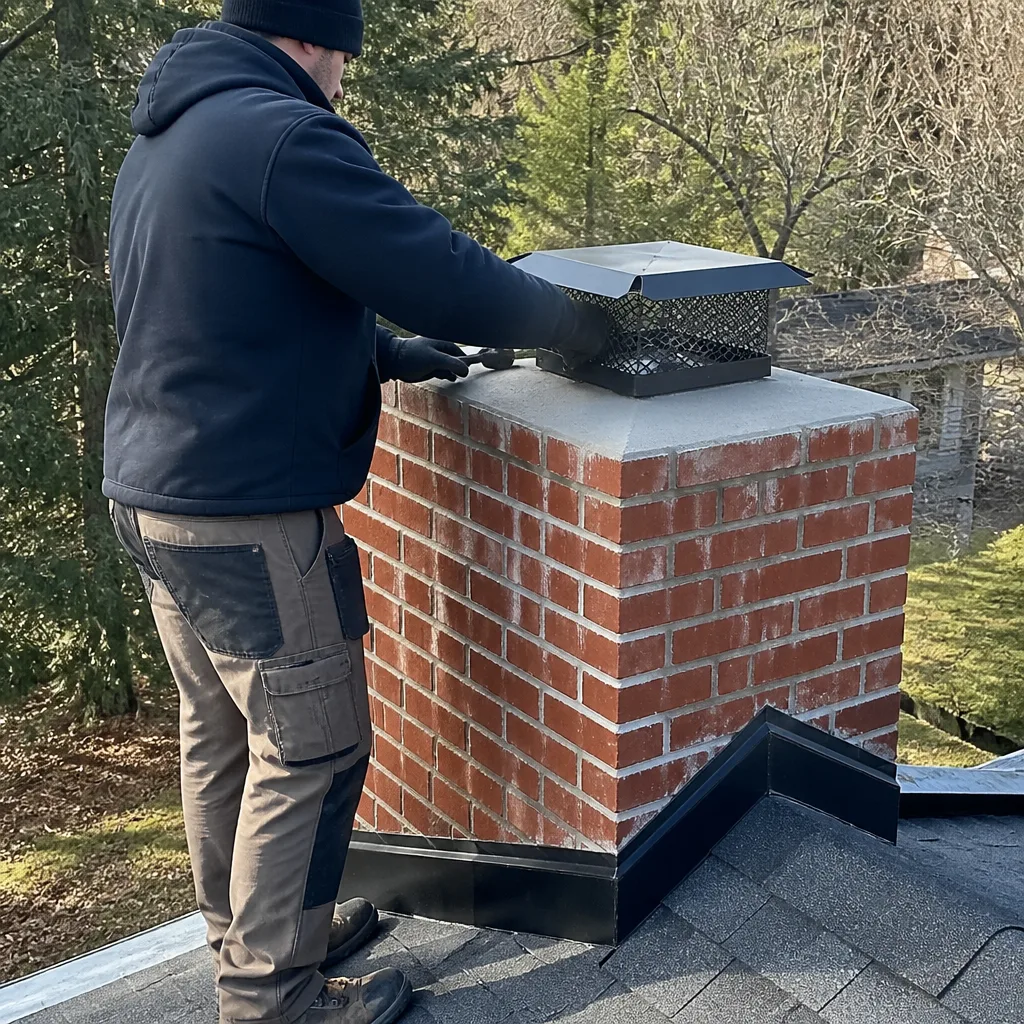 After
After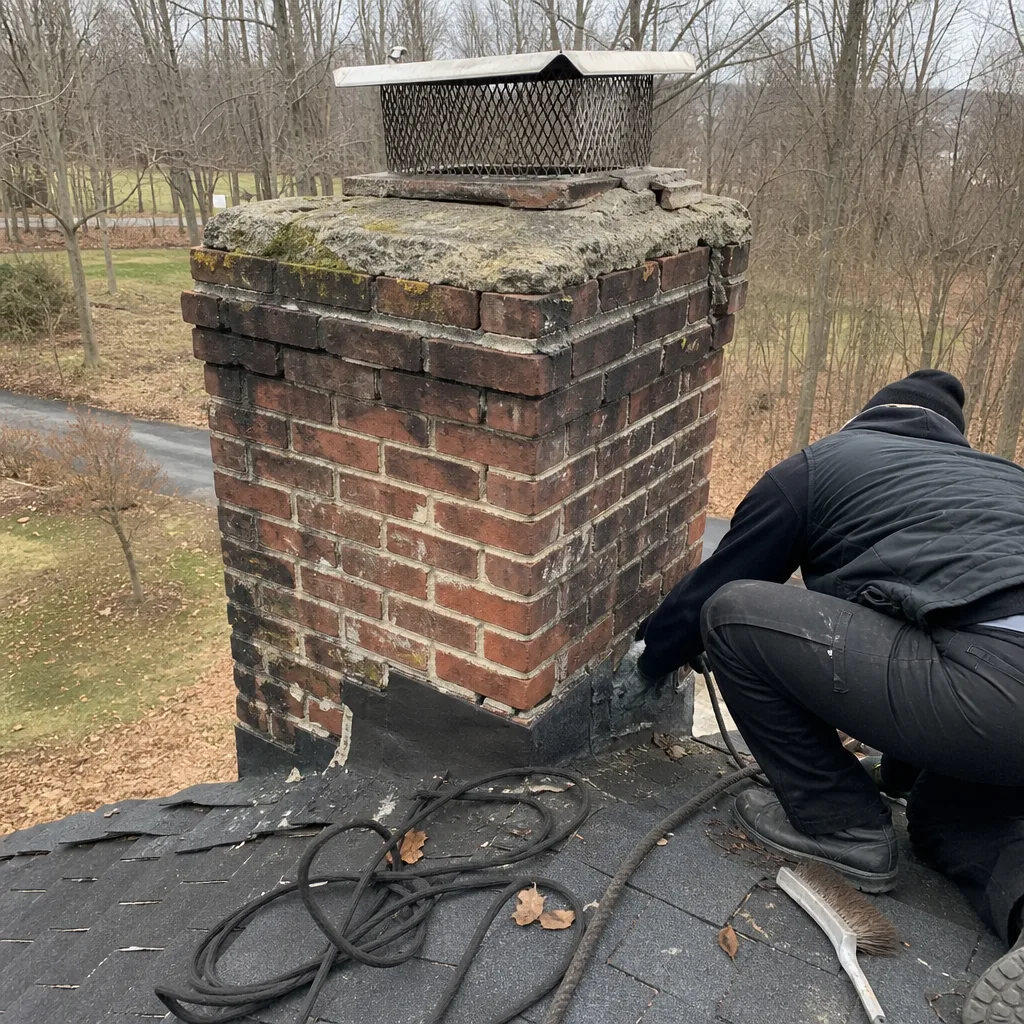 Before
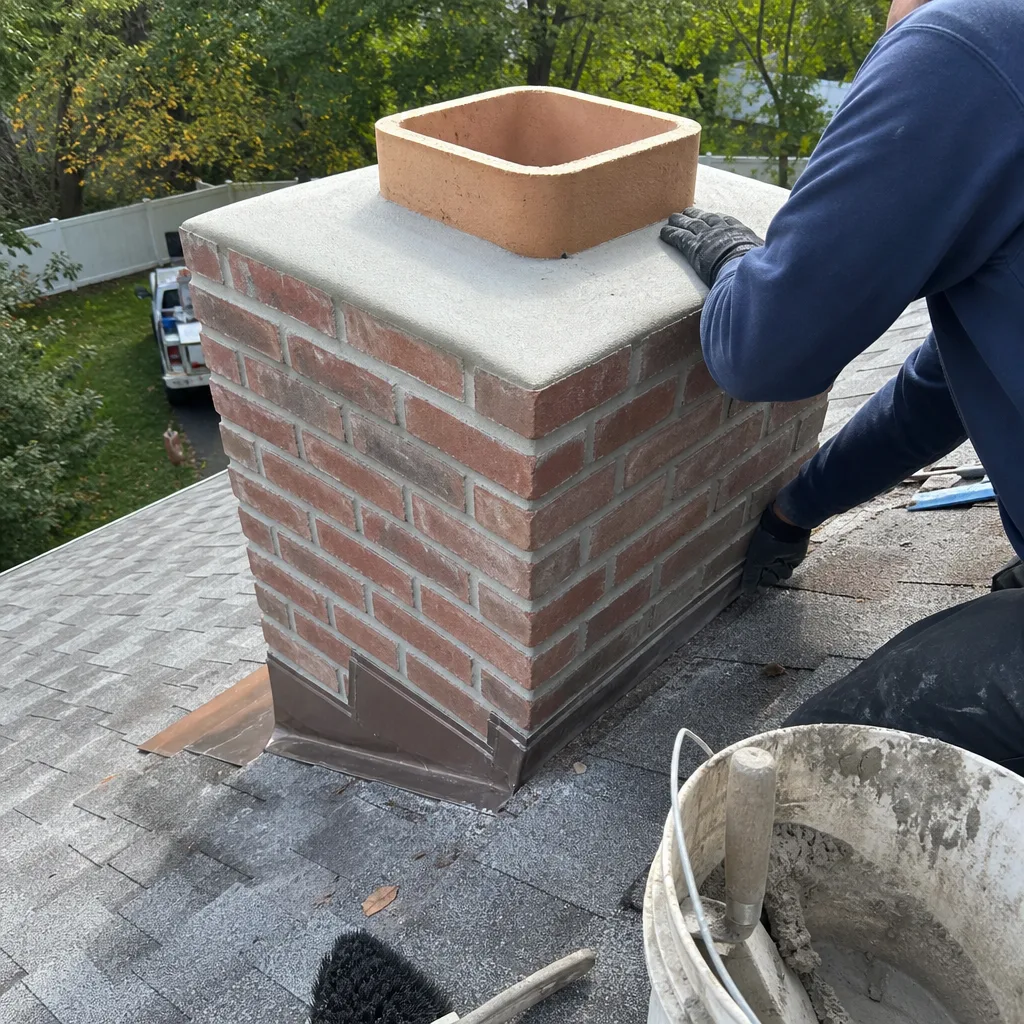 After
AfterSeasonal Chimney Cleaning Care for Bedford: Year-Round Homeowner’s Guide
The most expensive chimney damage we document in Bedford homes doesn’t happen during heating season. It happens in the seven months homeowners aren’t thinking about their chimney at all. In 42 years of sweeping flues from Bedford Hills to Bedford Village, we’ve replaced more fireboxes and rebuilt more crowns for problems that started in April than for problems that started in December. This guide maps what actually threatens your chimney each quarter in Bedford’s specific climate, and what to do about it before the damage compounds - or explore more guides & resources for year-round chimney care.
Quick Answer
Seasonal chimney cleaning care in Bedford means four distinct maintenance actions per year: a post-heating-season moisture inspection in April, a mid-summer cap and sealant check in July, a pre-season sweep and Level-2 inspection in September, and a mid-winter creosote assessment if you burn more than two cords. Download our Chimney Cleaning & Sweep Maintenance Checklist for Bedford Homeowners to track each step. Homes that follow this calendar typically avoid the $3,000-$8,000 rebuilds that result from deferred spring and summer damage.
Table of Contents
- Spring: The Hidden Damage Season
- Summer: Humidity, Wildlife, and UV Degradation
- Fall: Why September, Not October
- Winter: When Burning Season Changes the Math
- Building Your Four-Season Care Log
- What Seasonal Chimney Care Costs in Bedford
- Common Mistakes to Avoid
- When to Call a Professional
- Frequently Asked Questions
- The Bottom Line
Spring: The Hidden Damage Season
Most Bedford homeowners close the damper for the last time in March and don’t think about the chimney until the first cold snap in October. That seven-month gap is where we find the damage that turns a $200 maintenance call into a $4,000 rebuild.
Here’s why April matters in Bedford specifically. Our spring freeze-thaw cycle runs longer than communities closer to the Sound. Night temperatures in Bedford Hills and Katonah still drop below freezing into late April, while daytime sun hits the south-facing chimney crown and heats it above 50 degrees. Water that seeped into hairline cracks during winter freezes, expands, and widens those cracks. By May, a crown that was sound in February has become a funnel directing water into the flue.
We see this pattern every year in the stone and brick chimneys common in Bedford’s older homes, particularly in the 10506 and 10507 zip codes where construction dates to the 1920s-1950s. The mortar in these chimneys is lime-based, more porous than modern Portland cement mixes, and more vulnerable to spring saturation.
What to do in April, before the damage compounds:
- Schedule a post-heating-season inspection. Not a full sweep - the flue is already clean from winter use - but a Level-2 camera inspection to check for moisture intrusion, crown cracks, and flue tile deterioration that started during burning season.
- Check the chimney cap and flashing from the ground. Look for visible gaps, rust streaks on the brick, or missing mesh. Bedford’s mature oak and maple canopy drops debris that clogs uncapped flues and holds moisture against the crown.
- Document any changes from last fall. New efflorescence (white powder) on the brick face means water is moving through the masonry. New rust stains below the cleanout door mean water is pooling in the smoke chamber. Both are April findings that become October emergencies.
- Address crown sealing or minor repointing now. Crown sealant needs 24-48 hours of dry weather above 50 degrees to cure properly. May in Bedford delivers that reliably. October does not.
The homeowners who call us in April are usually the ones who learned this lesson the hard way. The ones who call in October are often reacting to water stains on the ceiling or a smoky first fire. The April caller gets a $180 crown seal. The October caller gets a $2,800 crown rebuild and interior water damage repair.
Our chimney repair in Bedford team uses professional-grade materials from Olympia Chimney and Copperfield for crown work - not the hardware-store brush-on products that degrade in two seasons. The difference shows up in the next spring inspection.
Summer: Humidity, Wildlife, and UV Degradation
July and August feel like downtime for chimney care. The flue is dry, the fireplace is decorative, and the HVAC bill is the concern. But Bedford’s summer conditions create three specific threats that a mid-summer check can catch before they become fall emergencies.
Humidity and flue saturation. Bedford’s summer humidity averages 70-75%, higher than inland Westchester and lower than the immediate coast, but sustained enough to matter. An unlined or partially lined flue in a 1960s ranch in Bedford Corners can stay damp through July and August, especially if the chimney is on the north side of the house with limited sun exposure. That moisture activates residual creosote acids that corrode clay flue tiles from the inside. By September, the flue looks sound from the top but has developed spalling and thinning that a camera inspection reveals.
Wildlife intrusion. Squirrels, raccoons, and chimney swifts are active in Bedford’s wooded lots from May through August. A missing or damaged chimney cap is an invitation. We remove nests and blocked flues every September from homeowners who didn’t know their cap had blown off in a June storm. The worst cases involve juvenile raccoons that can’t climb out - a situation that damages the flue lining and creates a biohazard requiring professional remediation.
UV degradation of cap sealants and crown coatings. The south and west faces of Bedford chimneys take significant summer sun. Silicone-based sealants and acrylic crown coatings degrade faster than the manufacturers’ laboratory data suggests, especially on rough-textured concrete crowns common in 1970s-1980s construction. A cap that was sealed properly in 2021 may have UV cracks by 2024. The sealant looks intact from the ground but fails to flex during the first freeze.
What to do in July:
- Walk the property after a summer storm and check for cap displacement or flashing displacement from wind.
- Listen for animal activity - scratching, chirping, or unexplained odors from the fireplace area.
- Schedule a mid-summer cap and crown inspection if your crown coating is more than three years old. We use Famco and Copperfield hardware for cap replacements, with mesh specifications that meet Bedford’s wildlife pressure without restricting draft.
The July call is preventive. The September call, after a nest is discovered during the first fire attempt, is reactive and more expensive. We’ve completed fireplace services in Bedford homes where a simple July cap replacement would have prevented a $900 flue cleaning and deodorizing treatment.
Fall: Why September, Not October
The national template says “clean your chimney before burning season.” In Bedford, following that template literally means calling in October, joining the rush, and often getting a November appointment - or settling for whoever still has availability.
Here’s what we’ve learned in 42 years: the first two weeks of September are the sweet spot for Bedford chimney sweeps. Contractor schedules are open. Weather is stable enough for exterior work if problems are found. And most importantly, you discover problems while there’s still time to fix them before the first fire.
What goes wrong with a first fire in an unswept flue:
Creosote buildup from the previous season doesn’t stay static. Over summer, it absorbs humidity and undergoes chemical changes that make it more flammable, not less. The first hot fire of October can ignite glazed creosote that passed a spring visual inspection but has since become a hazard. We document 12-15 chimney fires per year in the Bedford area, and roughly half occur during the first week of burning season in flues that “looked fine” to the homeowner.
More common than fire is smoke backup from partial blockages. Summer nests, leaf debris from overhanging oaks, and collapsed flue tiles from spring water damage all reveal themselves when draft is tested under fire conditions. The homeowner lights a fire on the first cold Friday evening, the living room fills with smoke, and the emergency call comes in after hours.
The September schedule in Bedford:
- Week 1-2: Schedule sweep and Level-2 inspection. Our technicians use camera systems that document every flue segment with photos you can see, and a plain-English verdict on what’s sound, what needs monitoring, and what needs repair.
- Week 2-3: If repairs are needed - crown sealing, cap replacement, minor repointing - they can be completed before temperatures drop below the material curing thresholds.
- Week 4: Final verification burn. A small, controlled fire tests draft and confirms the system is ready for heating season.
The October caller often faces a different timeline: inspection in late October, discovery of needed repairs, weather too cold for proper curing, and a recommendation to delay burning until spring - or to accept a temporary fix that becomes permanent because the homeowner never reschedules.
Our chimney cleaning and sweep in Bedford calendar opens for September booking in mid-August. The homeowners who plan ahead get the appointment time they want and the thoroughness that comes from an unhurried technician.
Winter: When Burning Season Changes the Math
For households burning more than two cords of seasoned hardwood per winter, the standard “annual cleaning” recommendation becomes insufficient. The math is straightforward, and it changes based on how you burn.
Creosote accumulation isn’t linear. A flue that takes one cord to develop 1/8 inch of buildup - the NFPA 211 threshold for cleaning - may develop 3/16 inch in the second cord and 1/4 inch in the third. The reason is temperature cycling. Repeated heating and cooling of the flue surface creates a more adhesive layer that captures more particulates. By mid-January, a heavy-use fireplace or wood stove in a Bedford home has often crossed from manageable to hazardous.
Signs that mid-season checking is warranted:
- Visible black flakes or shiny black deposits on the firebox walls or damper blade.
- Smoke that lingers longer than previous seasons before drafting up the flue.
- A burning odor that persists beyond the first few fires of the season.
- More than 60 fires since the last cleaning, or more than two cords burned.
In Bedford’s 10506 area, we see this pattern frequently in homes with supplemental wood heat - the primary furnace runs, but the fireplace or wood stove burns evenings and weekends from November through March. These homeowners often assume “annual” means “once per calendar year” rather than “every cord or every 60 fires, whichever comes first.”
We do not recommend homeowner inspection of flue conditions during burning season. The flue is hot, access is difficult, and creosote assessment requires training and proper lighting. What we do recommend is a mid-season call if any of the signs above appear, or a scheduled January check for households that burned two cords by New Year’s.
Our background-checked, uniformed technicians complete most jobs in a single visit, with no-hassle upfront pricing. The mid-season sweep takes 60-90 minutes and includes the same photo documentation as the fall service. For homes burning DuraFlex or Olympia Chimney liner systems, we also verify that thermal expansion hasn’t shifted connections or compromised seals.
Building Your Four-Season Care Log
The most valuable tool for reducing long-term chimney costs isn’t a tool at all. It’s a simple log that turns every inspection into a faster, cheaper, more accurate assessment by giving your sweep a documented baseline.
Here’s what happens without a log. A technician inspects your flue in September 2024 and notes “minor spalling at flue tile joint 3.” In September 2025, a different technician - or the same one, unable to recall the specific finding - must rediscover, re-document, and re-evaluate whether the spalling has progressed. The homeowner pays for rediscovery time. The technician lacks confidence in the rate of change. Small problems that were stable become “monitor and see” recommendations that repeat annually.
With a log, the 2025 technician sees the 2024 photo, compares it directly, and can state with confidence: “This has not changed in 12 months. Continue annual monitoring.” Or: “This has advanced 40% in 12 months. Repair is now recommended before next season.”
What to include in your four-season care log:
- Date and technician name for every professional visit.
- Photo references - our Level-2 inspections include numbered photo sequences; note the numbers that correspond to areas of concern.
- Specific measurements: creosote thickness, crack widths, crown deterioration percentage. Avoid vague entries like “crown looks okay.” Use: “Crown: 3 hairline cracks, longest 4 inches, no spalling. Sealed 2023, re-check 2025.”
- Materials used: HeatShield for smoke chamber parging, Famco cap model, DuraFlex liner specification. This ensures compatible repairs and warranty tracking.
- Your own observations: “April 2024: noticed white staining on north face after heavy rain.” These contextual notes help technicians correlate exterior conditions with interior findings.
- Scheduled next actions: “Re-inspect crown sealant July 2025” or “Schedule mid-season check if second cord burned by January.”
Store the log with your home maintenance records, not with the chimney company. You own the house; you own the history. When you sell, a documented maintenance history adds value and prevents the buyer’s inspector from flagging “unknown chimney condition.”
We’ve been serving Bedford homeowners for over 42 years, and the ones with logs get faster service, more precise recommendations, and fewer surprises. It’s not complicated. It’s just the thing done correctly.
What Seasonal Chimney Care Costs in Bedford
Pricing for chimney maintenance varies by season, complexity, and the specific materials your system requires. Below are the ranges we see in the Bedford market for typical seasonal services, based on 2024-2025 scheduling.
| Service | Typical Range in Bedford | Best Season to Schedule |
|---|---|---|
| Level-2 camera inspection (standalone) | $189-$275 | April or July |
| Standard chimney sweep + Level-2 inspection | $275-$395 | September |
| Crown sealing (minor cracks) | $180-$340 | April-May |
| Chimney cap replacement (standard stainless) | $285-$450 | July-August |
| Mid-season sweep (heavy-use fireplace) | $225-$325 | January |
| Flue liner evaluation and documentation | $150-$225 | Any season |
These ranges reflect Bedford’s market specifically - labor rates, travel considerations for technicians serving the northern Westchester area, and the prevalence of older masonry chimneys that require more time than newer factory-built systems. The $89 Seasonal Tune-Up we offer covers basic inspection and sweep for straightforward systems; complex or heavily sooted flues fall in the standard range above.
All pricing is confirmed upfront before work begins. The number on the estimate is the number on the invoice. We don’t charge for “discovery” or add trip fees for Bedford locations.
Standing offers that apply to seasonal care:
- $50 off any repair over $250
- Free second opinion on any written estimate from another company
- Permanent 5% senior and veteran discount
Call (914) 409-9387 for an exact quote - estimates are free, and a live person answers every call.
Common Mistakes to Avoid
- Waiting for October to schedule. By then, quality sweeps in Bedford are booked three weeks out, and weather windows for exterior repairs are narrowing. September scheduling protects your flexibility.
- Assuming “no smoke problems” means “no problems.” Carbon monoxide and slow creosote buildup don’t announce themselves with visible smoke. The dangerous conditions are the ones you can’t smell or see.
- Using the fireplace as a garbage disposal for wrapping paper, cardboard, or construction scraps. These materials burn too hot and too fast, accelerating creosote formation and risking flue tile cracking. We see this every January in Bedford homes after the holidays.
- Ignoring the chimney after installing a gas insert. Gas appliances produce water vapor that condenses in cool flues, particularly in Bedford’s spring and fall temperature swings. The flue still needs inspection, even if it doesn’t need sweeping for creosote.
- Hiring based on the lowest coupon price without verifying insurance and worker’s compensation. Chimney work involves roof access, combustion systems, and liability. A valid certificate of insurance protects you if a technician is injured on your property or damage occurs.
- Accepting a verbal “everything looks good” without photo documentation. You should see what your sweep sees. Our Level-2 inspections end with photos and a written verdict. Anything less is trusting a stranger’s memory.
- Deferring crown or flashing repairs because “it’s not leaking yet.” By the time water shows on the ceiling, the damage has spread through multiple layers of masonry and framing. Bedford’s spring freeze-thaw cycle turns “not yet” into “now” faster than homeowners expect.
When to Call a Professional
Call a certified chimney professional if you notice smoke backing up into the room, a persistent burning odor when the fireplace isn’t in use, visible cracks in the exterior masonry, or white staining on the chimney face. These are not DIY diagnostics. Combustion systems involve genuine hazards - carbon monoxide exposure, structural fire risk, and in the case of damaged flue liners, potential for house fire - that require trained assessment and proper equipment.
Specifically, call before the situation becomes urgent. A smoky fireplace on a Saturday evening in January means emergency rates, limited technician availability, and a cold house while you wait. The same condition noticed and reported in September means scheduled service, normal rates, and a warm house all winter.
Hearthstone Chimney Co. offers free estimates in Bedford. A live person answers every call, 24 hours a day, 7 days a week - not a voicemail, not a callback queue. Call (914) 409-9387 to schedule or to discuss what your chimney needs this season.
Frequently Asked Questions
A standard chimney sweep with Level-2 camera inspection in Bedford typically costs $275-$395, depending on flue accessibility, creosote buildup level, and whether the system is a straightforward open fireplace or a more complex insert or stove setup. Our $89 Seasonal Tune-Up covers basic sweep and inspection for qualifying systems. Call (914) 409-9387 for an exact quote - estimates are free.
The National Fire Protection Association recommends annual inspection for all chimney systems, and sweeping when creosote buildup reaches 1/8 inch. In Bedford, where many homeowners burn two or more cords of hardwood per season, we recommend a mid-season evaluation as well. The specific frequency depends on your burning habits, wood moisture content, and flue configuration - not just the calendar.
You need a new liner only if your existing liner is damaged, improperly sized, or absent - and only if that condition is documented with photos you can see. We do not recommend liner replacement without camera evidence of cracks, gaps, or deterioration that creates a safety hazard. In some Bedford homes with sound clay tile liners, a HeatShield resurfacing application restores integrity without full replacement. The right solution depends on what the inspection actually shows.
Deferred maintenance typically results in accelerated crown and mortar deterioration from Bedford’s freeze-thaw cycles, creosote accumulation that increases fire risk, and moisture intrusion that spalls flue tiles and rusts dampers. The cost trajectory is roughly: Year 1 skipped - $0 visible, $200-$400 of hidden damage. Year 2 skipped - $800-$1,500 in needed repairs. Year 3 skipped - potential for $3,000-$8,000 rebuild. The damage compounds silently until it announces itself with water stains, smoke backup, or chimney fire.
We do not recommend DIY chimney cleaning for several reasons specific to the hazards involved. Proper creosote removal requires brushes sized to your flue diameter, rods long enough for your chimney height, and the ability to inspect the entire flue surface for cracks or deterioration. More critically, working on a roof or with a ladder at chimney height involves fall risk, and disturbing glazed creosote without proper respiratory protection exposes you to carcinogenic compounds. For Bedford homeowners, the cost of professional service is modest compared to the risks of incomplete cleaning or personal injury. Be sure you understand Chimney Cleaning Permits, Codes & Inspections in NY: What You Need to Know before hiring any contractor.
September is optimal for pre-season sweep and inspection. April is optimal for post-season moisture assessment. July is ideal for cap and crown maintenance. Spreading service across these three months - rather than compressing everything into October - gives you better technician availability, better weather for exterior repairs, and earlier detection of problems before they become heating-season emergencies. Call (914) 409-9387 to book your September appointment before the calendar fills.
The Bottom Line
Bedford’s chimney care calendar has four distinct seasons, each with its own threat and its own preventive action. Spring demands moisture inspection before freeze-thaw damage compounds. Summer requires cap and sealant checks against humidity and wildlife. Fall means September scheduling, not October scrambling, with a Level-2 inspection that documents conditions before the first fire. Winter brings changed math for heavy burners, with mid-season evaluation preventing creosote hazards.
The homeowners who follow this calendar avoid the expensive surprises that come from deferred maintenance. They build a documented history that makes every future inspection faster and more precise. And they work with craftsmen who explain what’s wrong, state what it costs, and stand behind the result.
Done right - and we stand behind it. A square deal: no surprises on the bill. We’ll be there when we say. Photos you can see, a plain-English verdict. In writing, no arguing.
Call Hearthstone Chimney Co. at (914) 409-9387 for a free estimate. A live person answers every call, every day, every hour. Or visit our Hearthstone Chimney Co. home page to learn more about our services.
Written by Russell Haines, Owner at Hearthstone Chimney Co., serving Bedford since 2014.