
Last updated September 10, 2026
Level 1 sweep and inspection to the NFPA 211 annual standard - flue, crown, cap, and flashing checked and photographed
Chimney sweep logs do not sweep chimneys. They loosen some creosote - which then falls where a brush and vacuum still have to collect it.
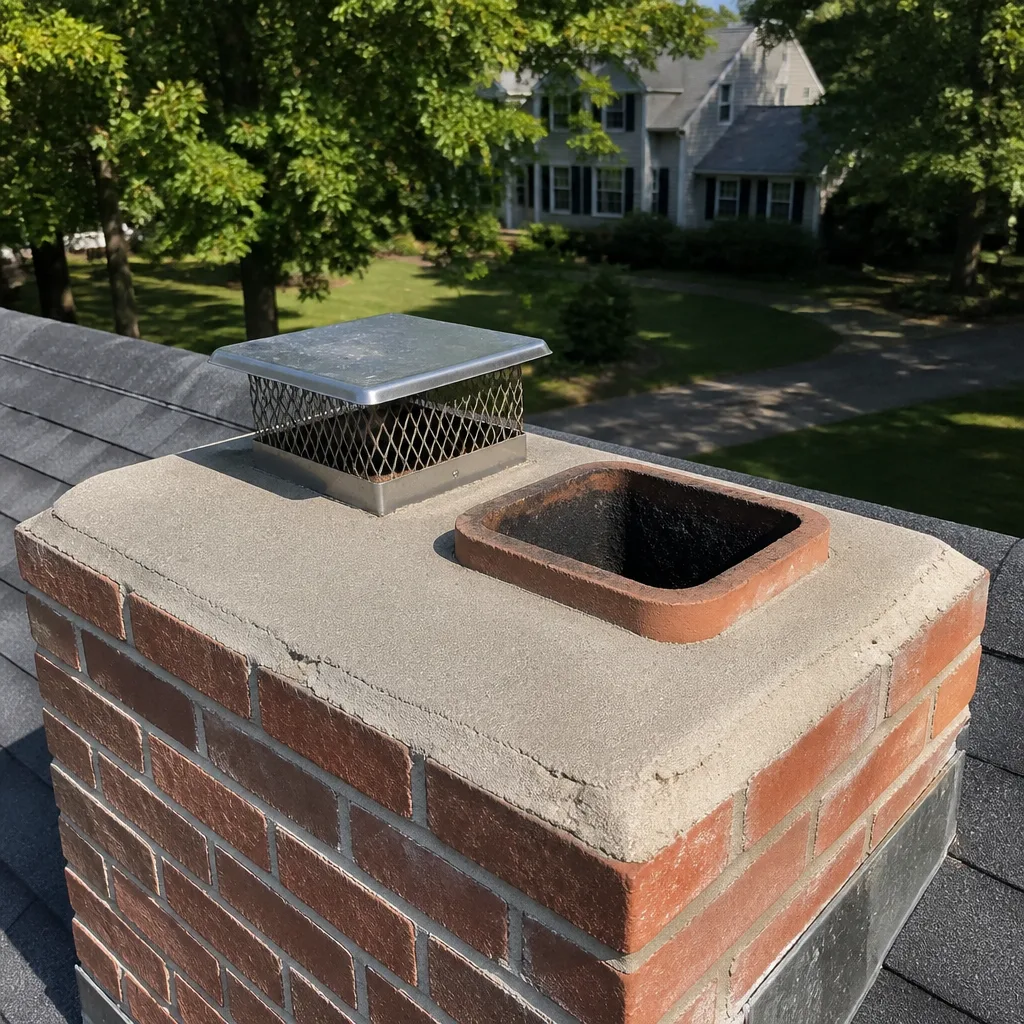
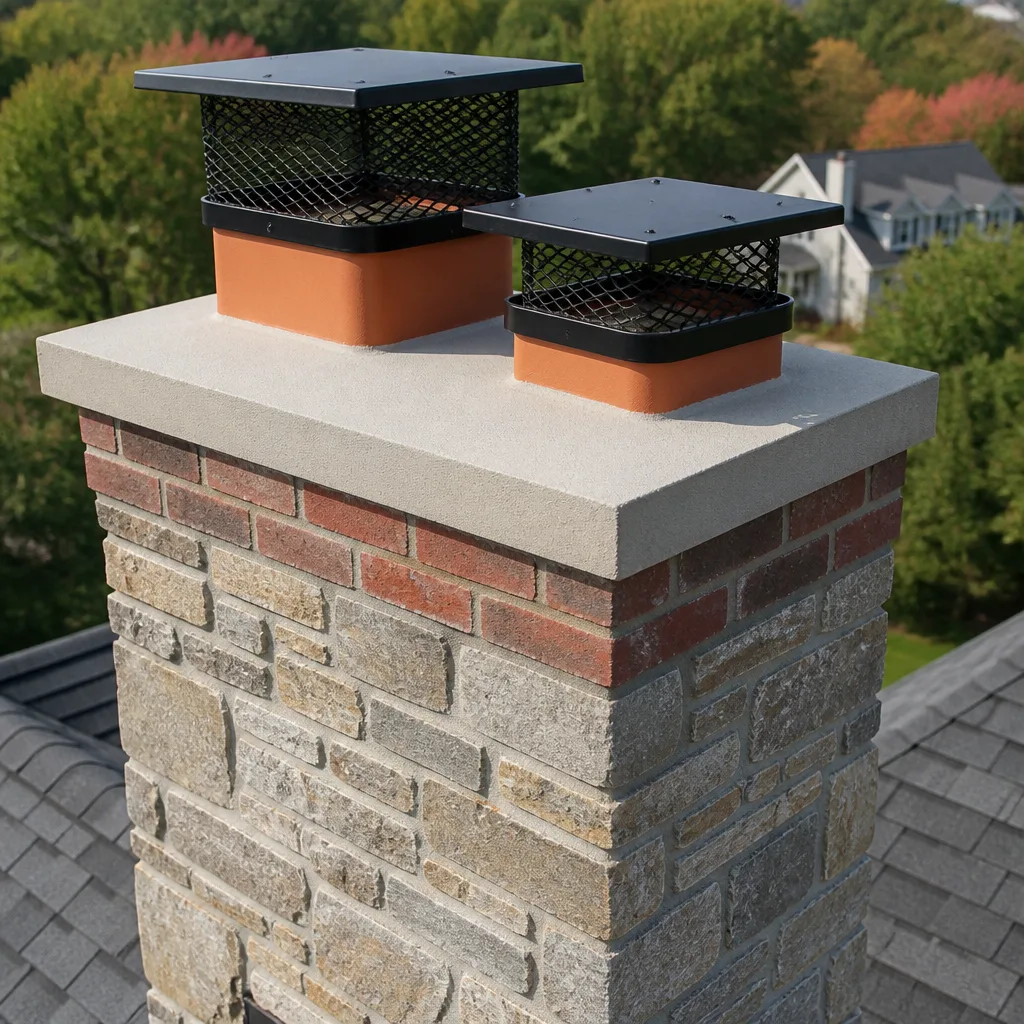
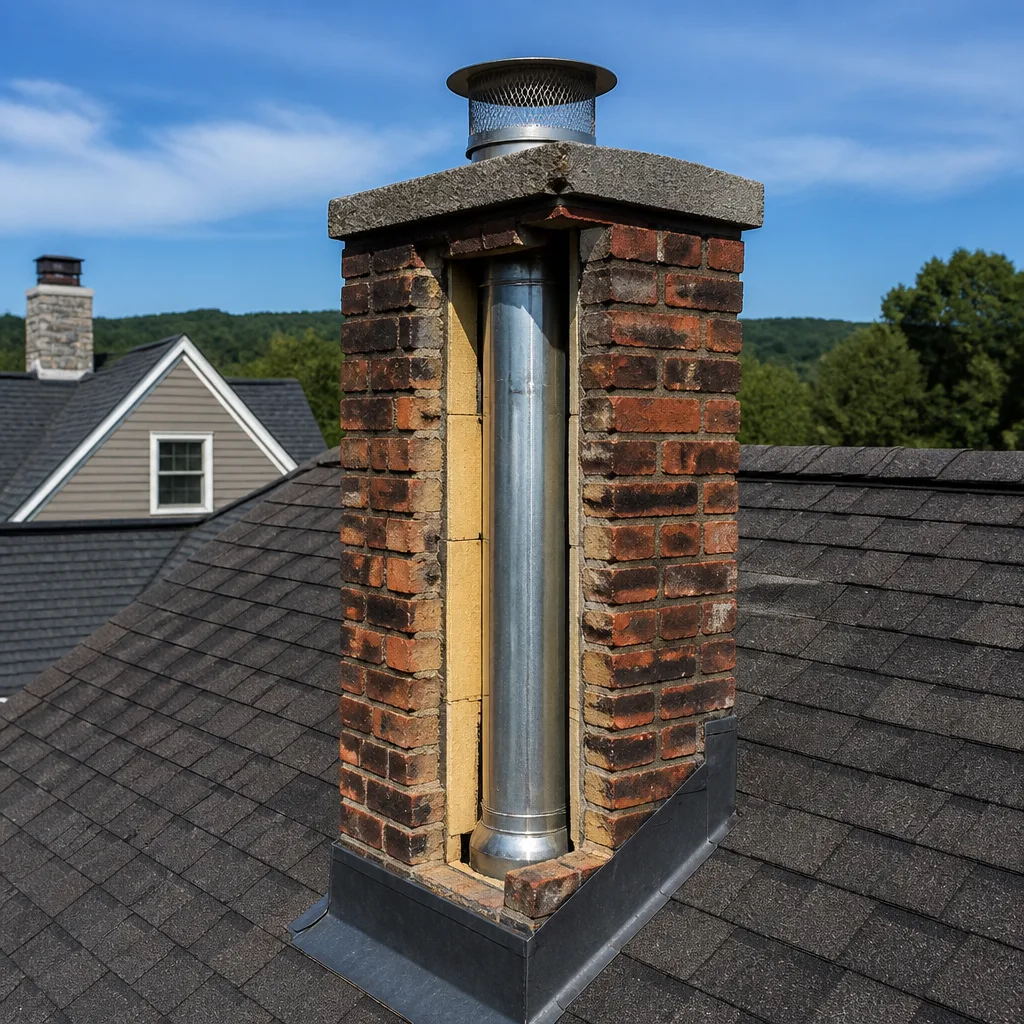
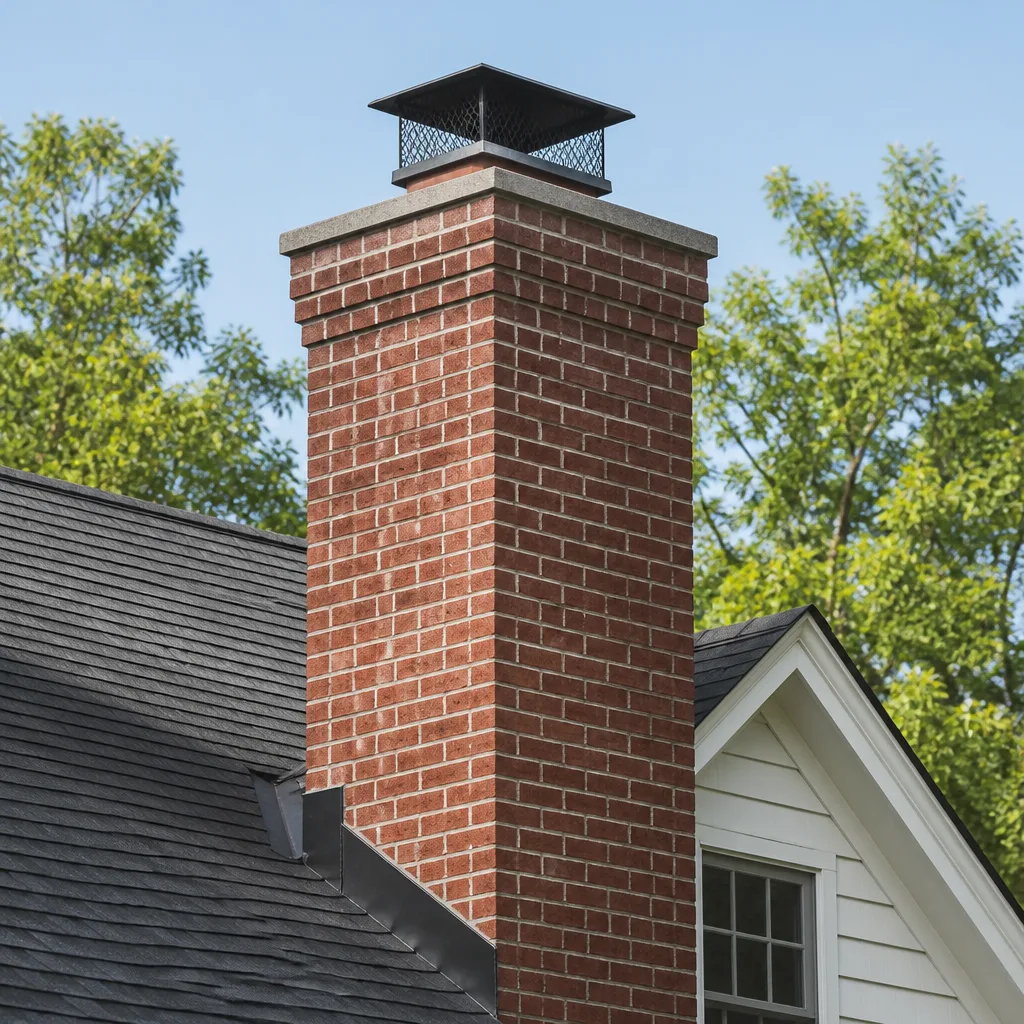
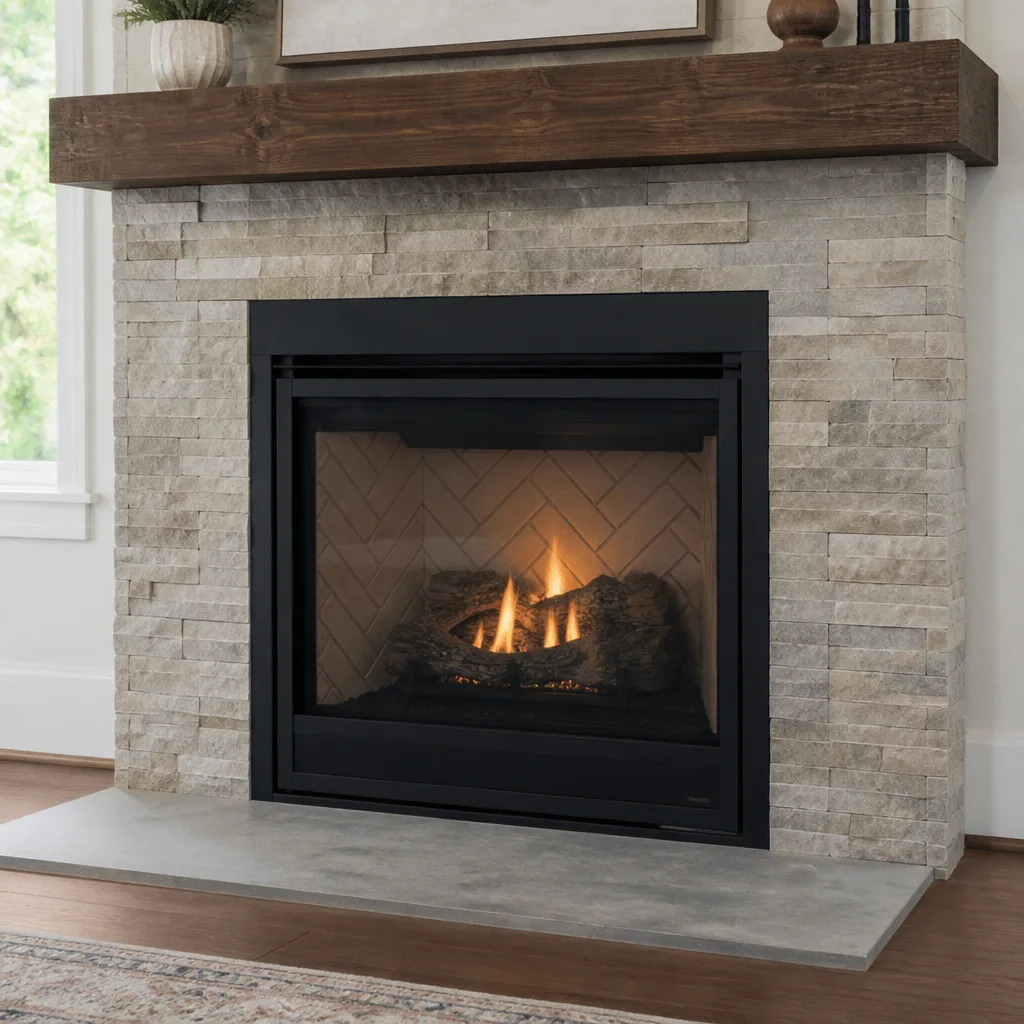
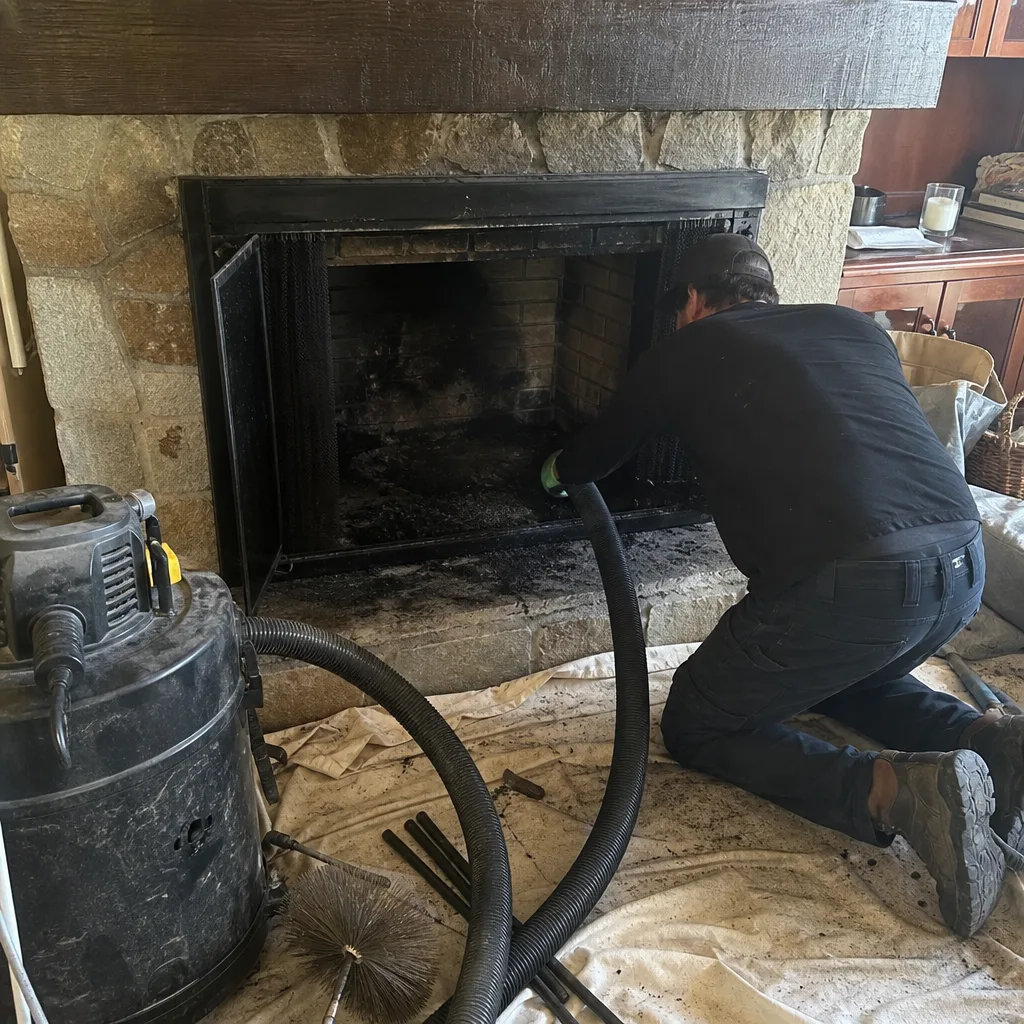 Before
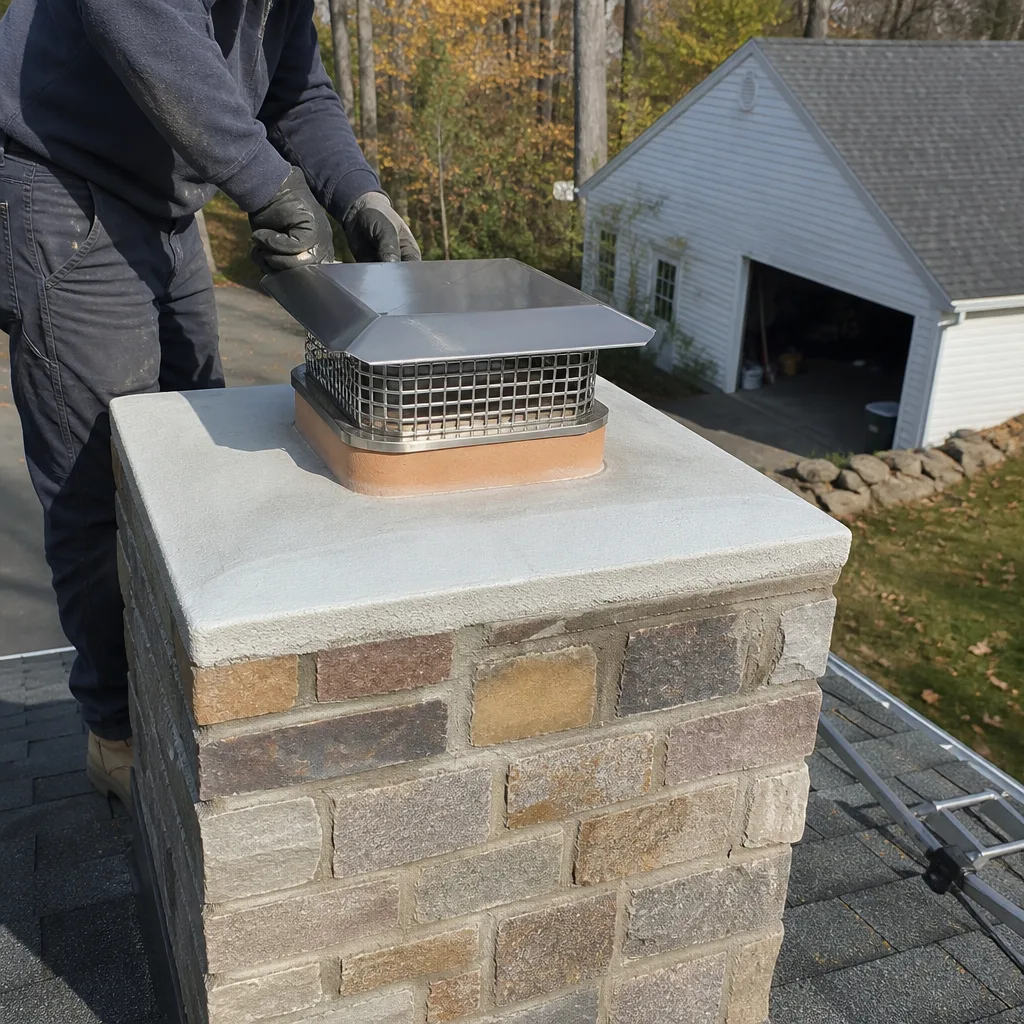 After
After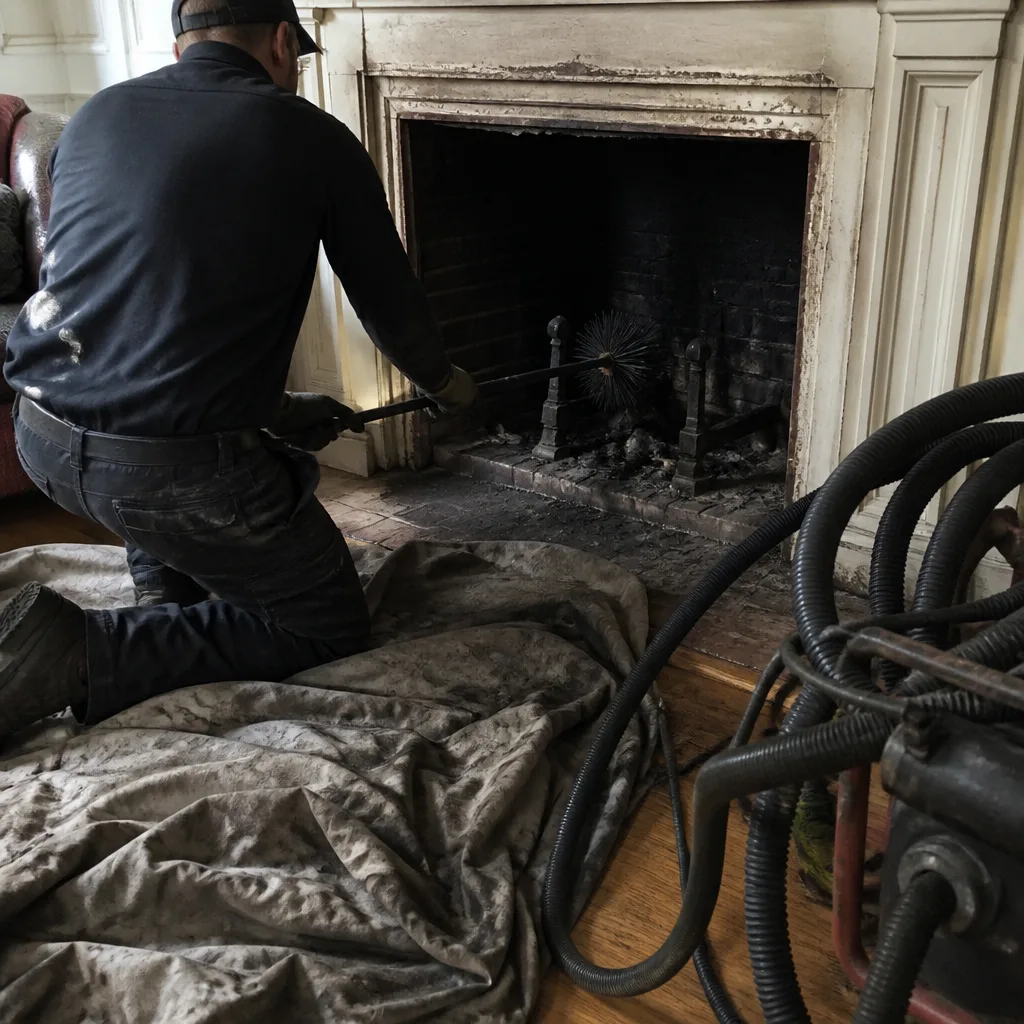 Before
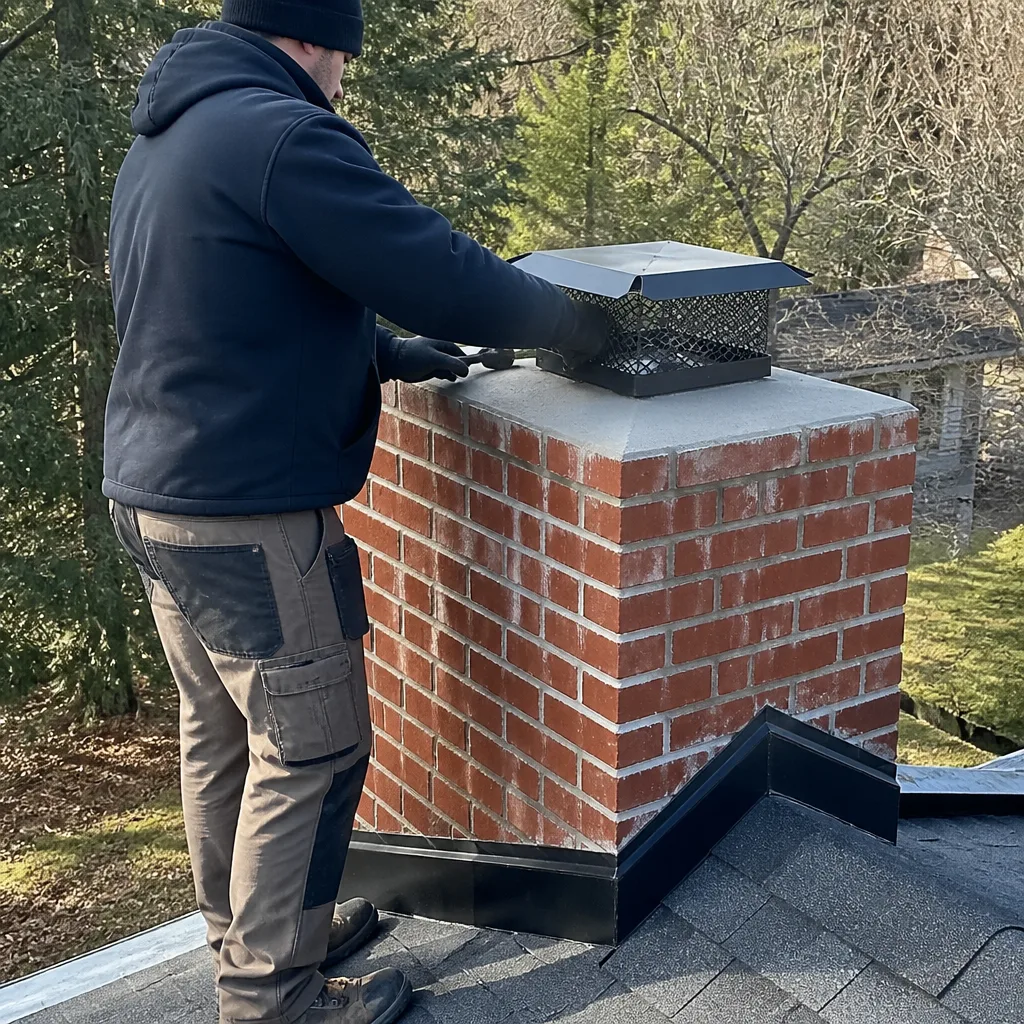 After
After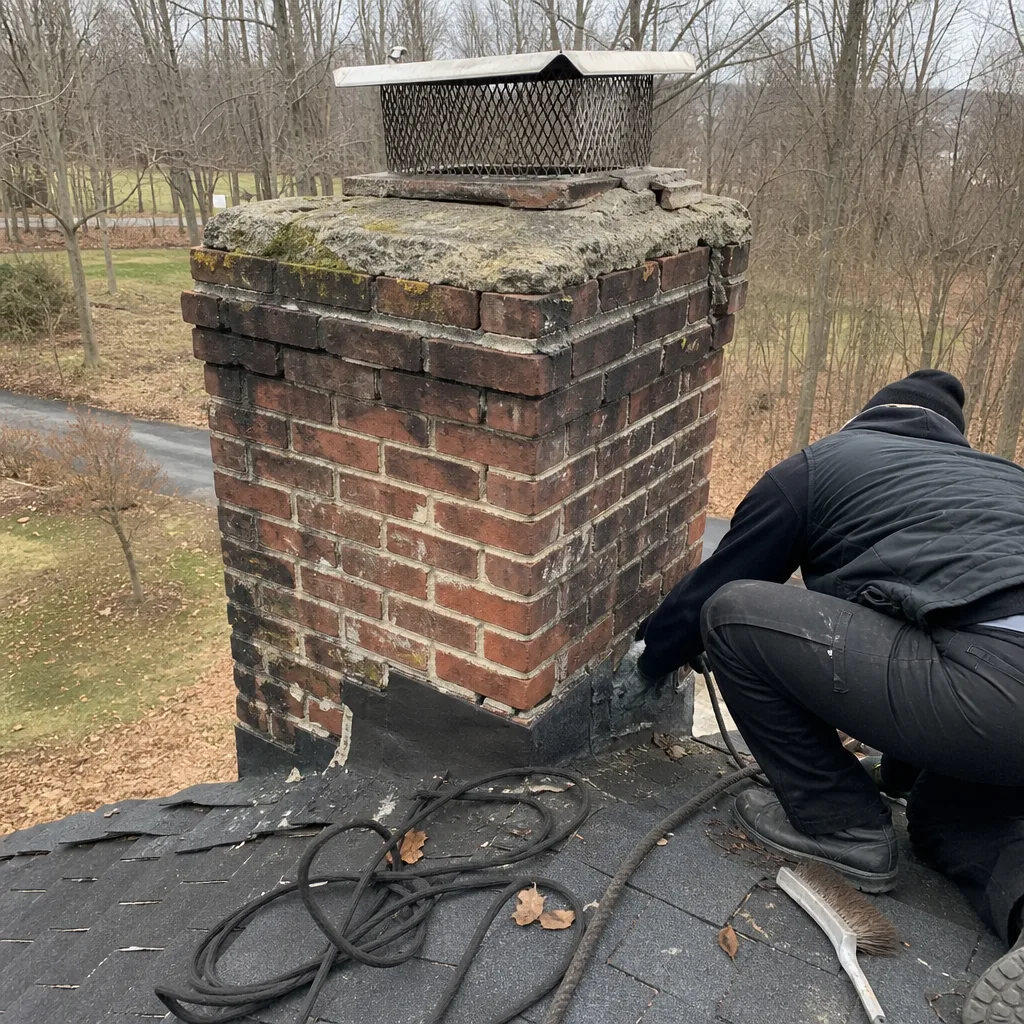 Before
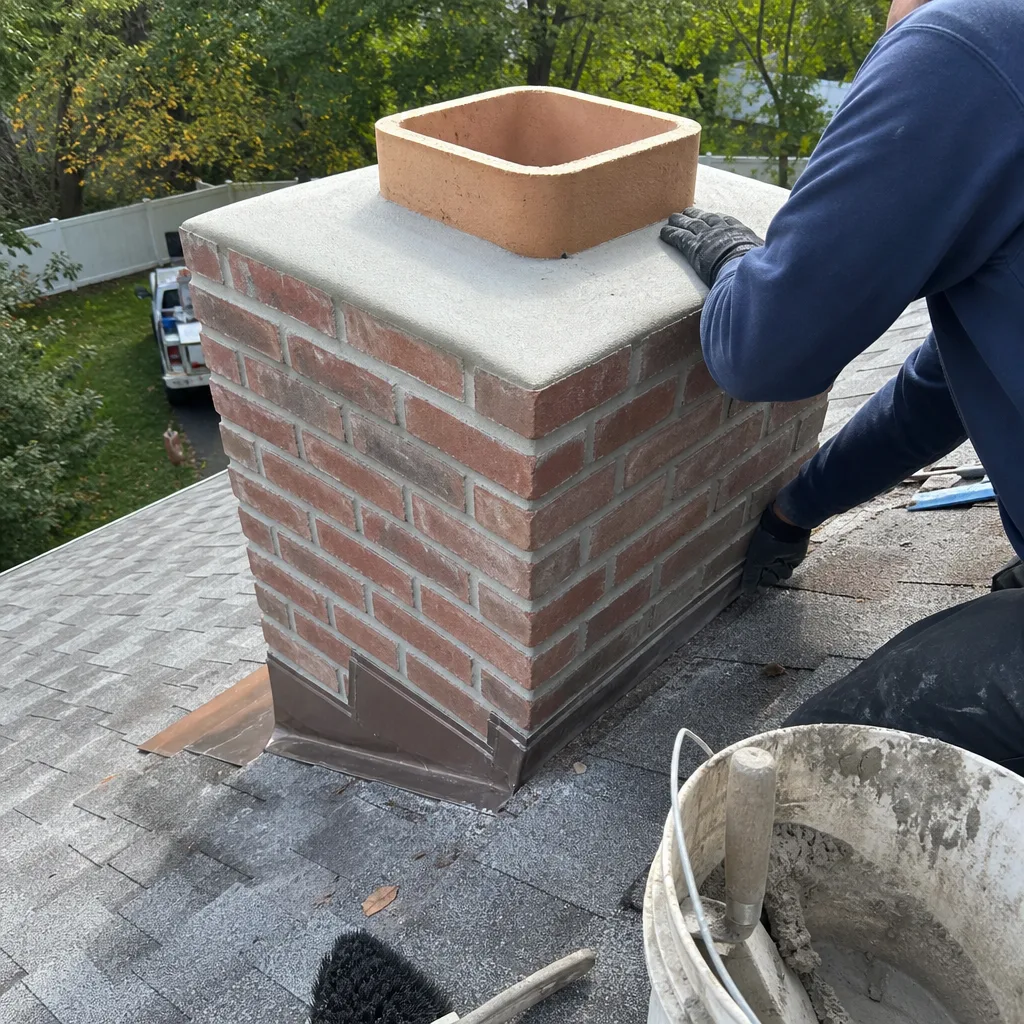 After
AfterChimney Cleaning Permits, Codes & Inspections in NY: What You Need to Know
Here’s something most Bedford homeowners discover too late: a routine chimney cleaning never needs a permit, but the repair your sweep recommends afterward might - and if your contractor skips that permit, your homeowner’s insurance can refuse a fire claim even if the unpermitted work had nothing to do with the fire. In 42 years of servicing chimneys across Westchester County, we’ve seen three families in Bedford alone face this exact nightmare. This guide walks you through the New York codes that actually matter, the permit line your contractor cannot cross, and how to protect your coverage before you light another fire. For The Complete Guide to Chimney Cleaning in Bedford with more detail on maintenance schedules, see our dedicated resource.
Quick Answer
A standard chimney cleaning or sweep in New York requires no permit. However, chimney repairs that alter the structure, appliance, or venting system - including relining, firebox rebuilds, new insert installations, and crown replacements - typically require a permit under the New York State Uniform Fire Prevention and Building Code. In Westchester County, these permits are enforced at the town level, and unpermitted work can void your homeowner’s insurance coverage on fire and smoke damage claims regardless of whether the unpermitted work caused the fire.
Table of Contents
- The New York State Codes That Govern Your Chimney
- Maintenance vs. Alteration: The Permit Line
- Westchester County Permit Requirements: What’s Actually Required
- NFPA 211 vs. Local Codes: Why Both Matter
- The Insurance Coverage Gap Nobody Explains
- What a Code-Compliant Post-Job Inspection Looks Like
- Bedford-Specific Considerations: Climate, Age, and Enforcement
- How to Verify Your Contractor Closed the Permit
The New York State Codes That Govern Your Chimney
New York State doesn’t leave chimney work to common sense. Three code documents create the framework every sweep, mason, and installer must follow - and understanding which applies to your job helps you ask the right questions.
The New York State Uniform Fire Prevention and Building Code (19 NYCRR Part 1220) adopts the International Residential Code and International Building Code with state-specific amendments. For chimneys, this means:
- Section R1001 governs masonry chimney construction, including minimum wall thickness, liner requirements, and clearance to combustibles
- Section R1002 covers factory-built chimneys and their installation limits
- Section R1003 addresses chimney and vent connectors, including material specifications and support requirements
The New York State Fuel Gas Code (19 NYCRR Part 1221) applies when your chimney vents a gas appliance. It references NFPA 54 and adds state amendments for vent sizing, connector materials, and combustion air requirements that differ from national standards.
The New York State Energy Conservation Construction Code (19 NYCRR Part 1240) affects chimney work indirectly through air-sealing and insulation requirements around chimney penetrations. In Bedford’s older homes - many built before 1940 with balloon framing - this creates real conflicts: you need combustion air for the fireplace, but you also need to stop heated air from escaping through gaps around the chimney chase.
Here’s what this means in practice. When we inspect a chimney in Bedford Hills or Katonah, we’re checking against all three codes simultaneously. A liner installation that meets IRC requirements might still fail the Fuel Gas Code if the vent connector sizing is wrong for a converted gas insert. A contractor who only knows “the building code” is working with one-third of the rulebook.
The state code also creates the permitting foundation. Section 107 of the Uniform Code requires permits for “construction, alteration, movement, enlargement, replacement, repair, equipment, use and occupancy, location, removal and demolition” of buildings and structures. The key word is “alteration” - and that’s where chimney work gets complicated.
Maintenance vs. Alteration: The Permit Line
This distinction determines whether your job needs a permit, and most homeowners never hear it explained correctly. The test isn’t how much the job costs or how long it takes. It’s whether the work changes the structure, appliance, or venting system from its previously approved configuration.
Maintenance - no permit required:
- Chimney sweeping and cleaning. Removing creosote, debris, and obstructions from an existing flue. This is purely restorative.
- Minor masonry repointing. Replacing deteriorated mortar joints without rebuilding wall sections or changing dimensions.
- Cap and spark arrestor replacement. Installing a new cap of the same size and type on an existing flue.
- Damper repair or replacement. Servicing or swapping the existing throat damper without altering the firebox or smoke chamber.
Alteration - permit typically required:
- Chimney relining. Installing a new flexible stainless steel liner (such as DuraFlex) or cast-in-place refractory liner changes the venting characteristics and requires inspection.
- Firebox rebuild or refractory panel replacement. Altering the combustion chamber dimensions or materials.
- Insert or stove installation. Adding a new appliance with its own venting requirements, even when using the existing chimney.
- Crown reconstruction. Rebuilding the concrete crown with changed dimensions, slope, or overhang.
- Chimney extension or height modification. Any change to termination height or location.
- Thimble or connector modification. Adding or relocating appliance connection points.
The gray zone is where homeowners get hurt. A “partial rebuild” of the top few courses of brick - common in Bedford after freeze-thaw damage - sounds like maintenance but often constitutes alteration if the dimensions or structural support change. A contractor who says “this is just a repair, no permit needed” may be saving himself paperwork while exposing you to liability.
Our rule at Hearthstone Chimney Co. home: if we’re opening a wall, changing a liner, or installing anything with a UL listing, we pull a permit. The 20 minutes of paperwork beats a denied insurance claim.
Westchester County Permit Requirements: What’s Actually Required
Westchester County doesn’t enforce the Uniform Code directly for one- and two-family dwellings. That falls to each town’s building department. For Bedford homeowners, this means the Bedford Town Building Department reviews permit applications, issues approvals, and conducts inspections for chimney alterations.
The practical process works like this:
- Application. Your contractor submits a permit application with scope description, materials list, and often manufacturer specifications for liners or appliances. For relining work, we typically include DuraFlex or Olympia Chimney specification sheets.
- Plan review. The building department verifies compliance with the Uniform Code and any town-specific amendments. Bedford has additional historic district requirements for visible exterior work in certain neighborhoods.
- Fee payment. Permit fees vary by job value. A typical relining permit in Bedford runs between $150-$400 depending on scope.
- Inspection scheduling. The contractor calls for inspection at rough-in and final stages. For chimney work, “rough-in” usually means liner installation before closure, and “final” means completed, operational system.
- Certificate of completion. After passing final inspection, the building department issues documentation that the work complies with code. This is your insurance-protection document.
Here’s what competitors miss: Westchester towns share information. An unpermitted job in Bedford doesn’t stay secret if you later sell to a buyer whose attorney runs a building department search. We’ve seen deals delayed because a previous owner’s “quick repair” from 2017 surfaced in 2023.
Some towns, including neighboring Mount Kisco and Pound Ridge, have begun cross-referencing permit records with property transfer documents. The compliance gap follows the house, not the owner.
NFPA 211 vs. Local Codes: Why Both Matter
The National Fire Protection Association Standard 211 is the industry’s bible for chimney safety. It covers inspection protocols, cleaning frequencies, clearance requirements, and liner standards. But NFPA 211 is a standard, not a code - it becomes enforceable only when adopted by reference into law.
New York State adopts NFPA 211 by reference in the Uniform Code, but with amendments and gaps. A contractor who cites “NFPA 211 compliance” as sufficient is telling half the story. Here’s what the interaction actually looks like:
| Topic | NFPA 211 Says | NYS Uniform Code Says | What Bedford Requires |
|---|---|---|---|
| Inspection frequency | Annual for solid fuel, as-needed for others | Silent on frequency | Silent; enforcement only at sale/alteration |
| Level 2 inspection | Required at sale, transfer, or system change | Adopted by reference | Required for permit applications on alterations |
| Liner requirements | Properly sized, listed liner for each appliance | IRC R1001.11 | Enforced at permit inspection |
| Clearance to combustibles | 2 inches minimum for masonry | IRC R1001.12 | Verified at rough-in and final inspection |
| Camera inspection documentation | Recommended for Level 2 | Silent | Required by Hearthstone protocol; not by town |
The critical gap: NFPA 211 recommends annual Level 1 inspections and camera-documented Level 2 inspections at property transfer. New York doesn’t mandate either for existing homeowners. This creates a dangerous information vacuum - your chimney can be legally non-compliant with NFPA 211 (and genuinely unsafe) while violating no state law, right up until the fire. Learn to spot problems early with our Chimney Cleaning Warning Signs: A Bedford Homeowner’s Reference Guide.
Our Chimney Cleaning & Sweep in Bedford includes a Level 1 inspection with every sweep. When we recommend Level 2 camera work, we’re applying the NFPA standard that state code doesn’t require but your safety demands. The photos we provide - showing flue condition, liner integrity, and masonry deterioration - become documentation that protects you whether or not a permit is involved.
A contractor who only cites NFPA 211 without mentioning local code requirements may be avoiding permit obligations. A contractor who only cites “code compliance” without referencing NFPA 211 may be doing the legal minimum while missing safety-critical inspection protocols. You need both, applied correctly.
The Insurance Coverage Gap Nobody Explains
This is where Bedford homeowners face real financial exposure. Your homeowner’s insurance policy contains language you’ve never read carefully - and your agent probably hasn’t explained.
Standard HO-3 and HO-5 policies include a concealment or fraud clause and a increase of hazard exclusion. These provisions allow the insurer to deny claims for fire or smoke damage if:
- The homeowner knew of a hazardous condition and failed to address it
- Alterations were made without required permits, increasing the risk of loss
- Material misrepresentations exist in the application or renewal documents
The connection to chimney work is direct and brutal. Suppose you had a liner installed without permit five years ago. Last winter, a chimney fire damages your roof and second floor. The insurance adjuster requests building department records. No permit exists. The insurer denies the claim - not because the liner caused the fire, but because the unpermitted alteration violated policy conditions and “increased the hazard” by definition, regardless of actual causation.
We’ve seen this pattern twice in Bedford, both involving previous owners’ work discovered after losses. One family in Bedford Corners faced a $340,000 denial on a kitchen and second-floor rebuild. The unpermitted work was a gas insert installation from 2019, three years before their fire. The insert didn’t cause the fire - a bird nest in an unlined flue did - but the policy exclusion was broad enough to sustain the denial through two appeals.
Here’s what your policy likely says, translated from insurance language: “If you altered your home’s structure or systems without required permits, we may treat that as a material breach of your duty to maintain the property, and we may deny claims remotely connected to that breach.”
The protection is straightforward:
- Verify permit requirements before any chimney alteration
- Demand permit documentation from contractors
- Confirm final inspection and certificate of completion
- Keep records with your insurance documents
- Disclose permitted work accurately at policy renewal
The 90-Day Done Right Promise we provide with every job includes permit verification as standard. If we perform alteration work, we pull the permit, meet the inspector, and deliver your certificate. No arguing, no paperwork chase - it’s in writing because we’ve seen what happens when it isn’t.
What a Code-Compliant Post-Job Inspection Looks Like
A proper inspection isn’t a drive-by glance. For chimney alterations in Bedford, the town building inspector verifies specific elements that correspond to code sections. Knowing what to expect helps you evaluate whether your contractor’s “all set” means actually compliant.
Rough-in inspection (for relining and rebuilds):
- Liner material and gauge verified against manufacturer specs and code minimums
- Liner sizing confirmed appropriate for connected appliance(s)
- Clearance to combustibles measured at multiple points, especially at framing penetrations
- Support and connection hardware inspected for proper installation
- Combustion air provisions verified for gas appliances
Final inspection:
- Complete assembly operational test
- Visual verification of termination height and clearance to roof elements
- Spark arrestor and cap installation
- Documentation review: permit card, manufacturer instructions, test results
- Smoke or pressure test for sealed systems
For our relining work using DuraFlex or HeatShield systems, we also perform our own internal verification before calling the inspector: camera documentation of the full flue length, liner pull test verification, and written clearance measurements at six points minimum. The town inspector doesn’t require this - we do, because the inspector’s visit is a snapshot, and we want continuous documentation.
A red flag: any contractor who says “we don’t need an inspection for this” or “I’ll handle it, don’t worry about the paperwork.” In Bedford, every alteration permit requires at least one inspection. No exceptions. If your contractor is avoiding the inspector, he’s avoiding accountability.
Bedford-Specific Considerations: Climate, Age, and Enforcement
Bedford’s chimneys face conditions that shape both maintenance needs and code interpretation. Understanding these local factors helps you evaluate whether advice from a national website or an out-of-county contractor actually applies.
Freeze-thaw cycling. Bedford’s winter temperatures swing between single digits and the 40s regularly. Water penetrates masonry cracks, freezes, expands, and widens the damage. This cycle destroys crowns and deteriorates mortar faster than in more consistently cold regions. The IRC requires crown slope of minimum 3/12 for drainage, but in Bedford’s climate, we specify 4/12 or greater and always use concrete with air-entrainment for freeze resistance. A code-minimum crown fails faster here.
Age of housing stock. Roughly 60% of Bedford’s single-family homes were built before 1960. Many have unlined masonry chimneys originally built for coal or oil, later converted to wood or gas without proper relining. These chimneys often meet no current code for their present use but are “grandfathered” until alteration triggers upgrade requirements. The permit threshold matters enormously: cleaning the flue requires nothing, but installing a new gas insert in that same flue triggers full modern compliance.
Historic district overlays. Portions of Bedford Village and Katonah have additional architectural review requirements for exterior-visible changes. A crown rebuild with changed materials or profile may need Historic Review Board approval in addition to the building permit. We’ve navigated this process for homeowners on Court Road and Cherry Street - it adds 2-3 weeks but protects both compliance and property values.
Local enforcement emphasis. Bedford’s building department has strengthened chimney inspection protocols since 2021, following a regional increase in chimney fires. Inspectors now routinely request manufacturer installation instructions for listed liners and appliances. Using professional-grade materials with complete documentation - Gelco caps, Olympia Chimney components, Famco connectors - streamlines this process. Generic or undocumented materials trigger delays and re-inspections.
Wood-burning prevalence. Despite conversion trends, Bedford retains significant wood-burning fireplace and stove use, especially in properties with acreage and harvested firewood. This means creosote accumulation rates exceed national averages for similar income demographics, and the NFPA 211 annual inspection recommendation is genuinely conservative here, not overcautious. Our Chimney Cleaning & Sweep Maintenance Checklist for Bedford Homeowners helps you stay on schedule.
How to Verify Your Contractor Closed the Permit
A pulled permit means nothing if never closed. An open permit becomes a cloud on your title, a flag for insurers, and potential evidence of incomplete or failed work. Here’s how to confirm your chimney job is actually finished in the town’s eyes.
- Get the permit number. Your contractor should provide this before work begins. If he won’t, that’s your first warning.
- Check online. Bedford’s building department maintains permit records accessible through the town website. Search by address or permit number to confirm status.
- Request the certificate of completion. This document, issued after final inspection approval, is your proof of compliance. It should reference the permit number, inspection dates, and approving inspector.
- Verify matching scope. Ensure the permit description matches actual work performed. A permit for “chimney repair” that covered a full relining is inadequate - the scope should be specific.
- Confirm inspection dates. There should be dated inspection entries corresponding to rough-in and final. Missing entries suggest skipped inspections.
- Keep records permanently. Store certificates with your deed, insurance policies, and appliance manuals. Disclosure at sale requires this documentation.
We provide every Bedford customer with a complete permit package: application copy, inspection schedule, final certificate, and our internal photo documentation. The 90-Day Done Right Promise covers permit closure - if anything’s missing, we fix it, in writing, no arguing.
For Chimney Repair in Bedford that requires permits, we handle the entire process and deliver your certificate before final payment. That’s how we’ve operated since 1984, and it’s why we’re still answering the phone when previous customers call with questions about work from fifteen years ago.
Common Mistakes to Avoid
- Assuming “cleaning” covers everything on the invoice. Many Bedford homeowners sign off on “chimney cleaning” that includes crown repair or damper replacement - alterations that needed permits. Read every line item and ask specifically about permit requirements for each.
- Trusting “we’ve never needed permits before.” Anecdotal contractor claims mean nothing against your insurance policy’s written exclusions. “Never had a problem” describes luck, not compliance.
- Accepting verbal permit assurances. “I’ll take care of it” without documentation is worthless. Get the permit number, verify it online, and request the certificate.
- Ignoring historic district requirements. Visible exterior work in Bedford Village or Katonah without Historic Review Board approval can trigger stop-work orders and doubled permit fees.
- Using out-of-county contractors unfamiliar with Westchester enforcement. A sweep from Connecticut or Dutchess County may know NFPA 211 but miss Bedford’s specific amendment adoptions and inspection protocols.
- Discarding documentation at sale time. Buyers’ attorneys routinely request five years of permit history. Missing chimney records can delay closing or trigger price renegotiation.
- Assuming grandfathering protects everything. Existing non-compliant chimneys are tolerated until alteration triggers upgrade. The “repair” your contractor proposes may be legally classified as alteration, voiding grandfather protection.
When to Call a Professional
Call a certified chimney professional when you’re considering any work beyond annual cleaning and basic maintenance - and specifically when you need documentation that protects your insurance coverage and property value. Explore more guides & resources to stay informed between visits. In Bedford, that means calling before relining, before installing any new appliance, before rebuilding masonry, and before any project that opens walls or changes venting configuration.
At Hearthstone Chimney Co., we provide free estimates that include explicit permit guidance: what’s required, what isn’t, and what documentation you’ll receive. Our Level-2 camera inspections end with photos you can see and a plain-English verdict - documented like an engineer, explained like a craftsman. Most jobs complete in a single visit, with no-hassle upfront pricing and the 90-Day Done Right Promise in writing.
We’ve served Bedford and Westchester County communities for over 42 years. Call (914) 409-9387 to schedule your free estimate. A live person answers, 24 hours a day, every day.
Frequently Asked Questions
No. A standard chimney sweep or cleaning - removing creosote, debris, and obstructions from an existing flue - requires no permit anywhere in New York State, including Westchester County and Bedford. However, if your sweep discovers damage and recommends repairs that alter the structure or venting system, those repairs may require permits. Call (914) 409-9387 for a free estimate that includes permit guidance.
A professional chimney sweep in Bedford typically ranges from $200-$350 for a standard Level 1 inspection and cleaning, depending on accessibility, flue condition, and whether camera documentation is included. Our $89 Seasonal Tune-Up offers limited-time value for qualifying systems. We provide no-hassle upfront pricing - the number on the estimate is the number on the invoice. Call (914) 409-9387 for exact pricing for your chimney.
Unpermitted chimney alterations can void your homeowner’s insurance coverage for fire and smoke damage claims, even if the unpermitted work didn’t cause the fire. Insurance policies contain “increase of hazard” exclusions that insurers interpret broadly. Additionally, unpermitted work creates title clouds that complicate home sales and may require retroactive permitting or removal. If you suspect previous work was unpermitted, we can assess compliance and recommend remediation.
NFPA 211 recommends annual Level 1 inspections for all solid-fuel chimneys and for gas chimneys showing any performance change. In Bedford’s climate - with freeze-thaw cycling, mature tree cover, and significant wood-burning use - we endorse this annual schedule as genuinely conservative, not overcautious. Many of our Bedford customers on larger properties with frequent fireplace use benefit from inspection every burning season. Call (914) 409-9387 to schedule.
You need a new liner when your existing flue is unlined, when the current liner is damaged or deteriorated, or when you’re installing a new appliance with different venting requirements than your chimney was built for. We never recommend liner replacement without camera evidence you can see yourself, and we’ll plainly tell you when work can safely wait. Our Level-2 inspection includes full flue photography and a written verdict with no pressure to proceed. Call (914) 409-9387 for a free second opinion on any written estimate.
A town building inspection verifies code compliance for permitted work - it’s a legal checkpoint. Our Level-2 inspection evaluates safety, function, and condition using NFPA 211 standards, camera documentation, and 42 years of experience. The town inspector checks that your liner is listed and properly supported; we check that it’s the right size for your appliance, properly connected, and in condition to last. Both matter, for different reasons. For Fireplace Services in Bedford, we provide both compliance documentation and safety evaluation.
The Bottom Line
Chimney cleaning needs no permit. Chimney repairs often do - and the line between them determines whether your insurance company pays after a fire. In Bedford and across Westchester County, the New York State Uniform Code, NFPA 211 standards, and local town enforcement create a three-layer system that protects homeowners who understand it and exposes those who don’t. The documentation matters as much as the work itself: permits pulled, inspections passed, certificates delivered. At Hearthstone Chimney Co., we’ve built our 42-year reputation on doing both parts correctly - the craft and the paperwork - with photos you can see, verdicts you can understand, and promises we put in writing.
Written by Russell Haines, Owner at Hearthstone Chimney Co., serving Bedford since 2014.