
Last updated September 10, 2026
Level 1 sweep and inspection to the NFPA 211 annual standard - flue, crown, cap, and flashing checked and photographed
Chimney sweep logs do not sweep chimneys. They loosen some creosote - which then falls where a brush and vacuum still have to collect it.
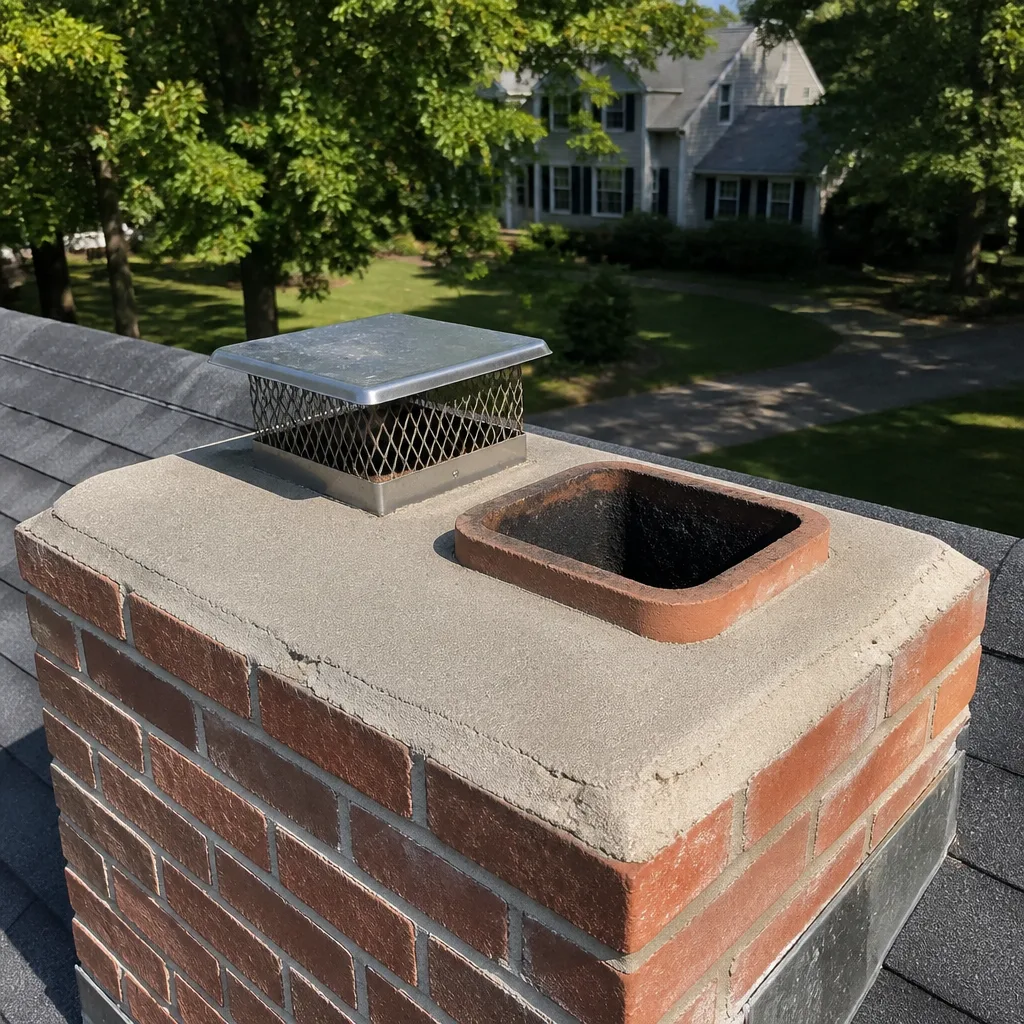
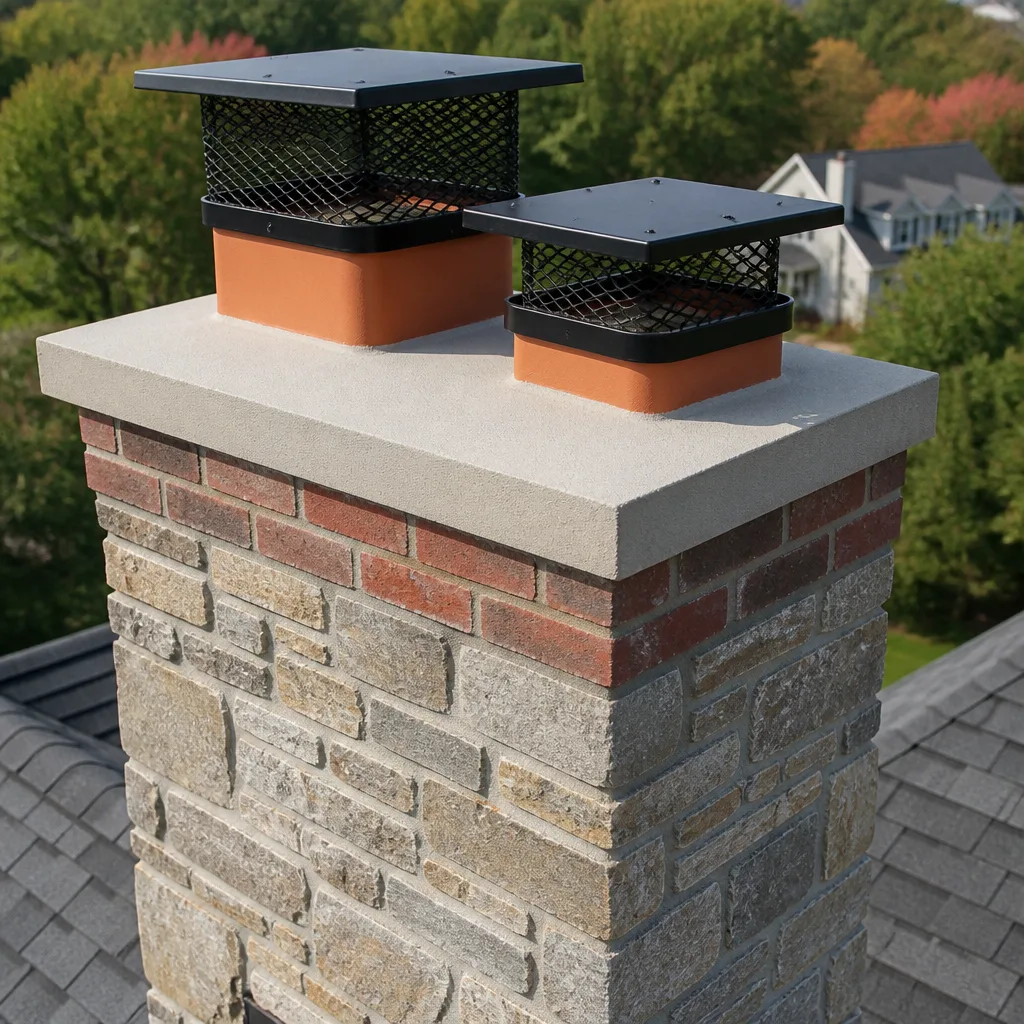
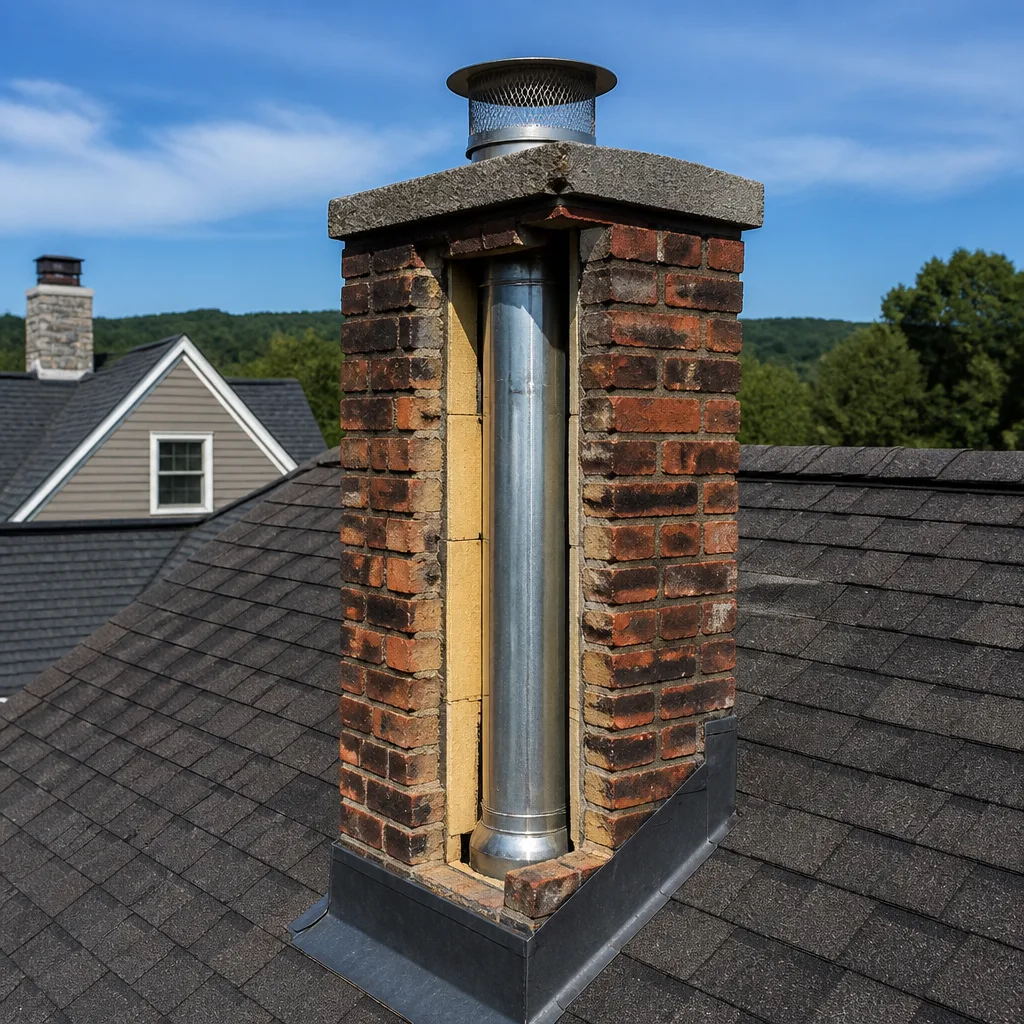
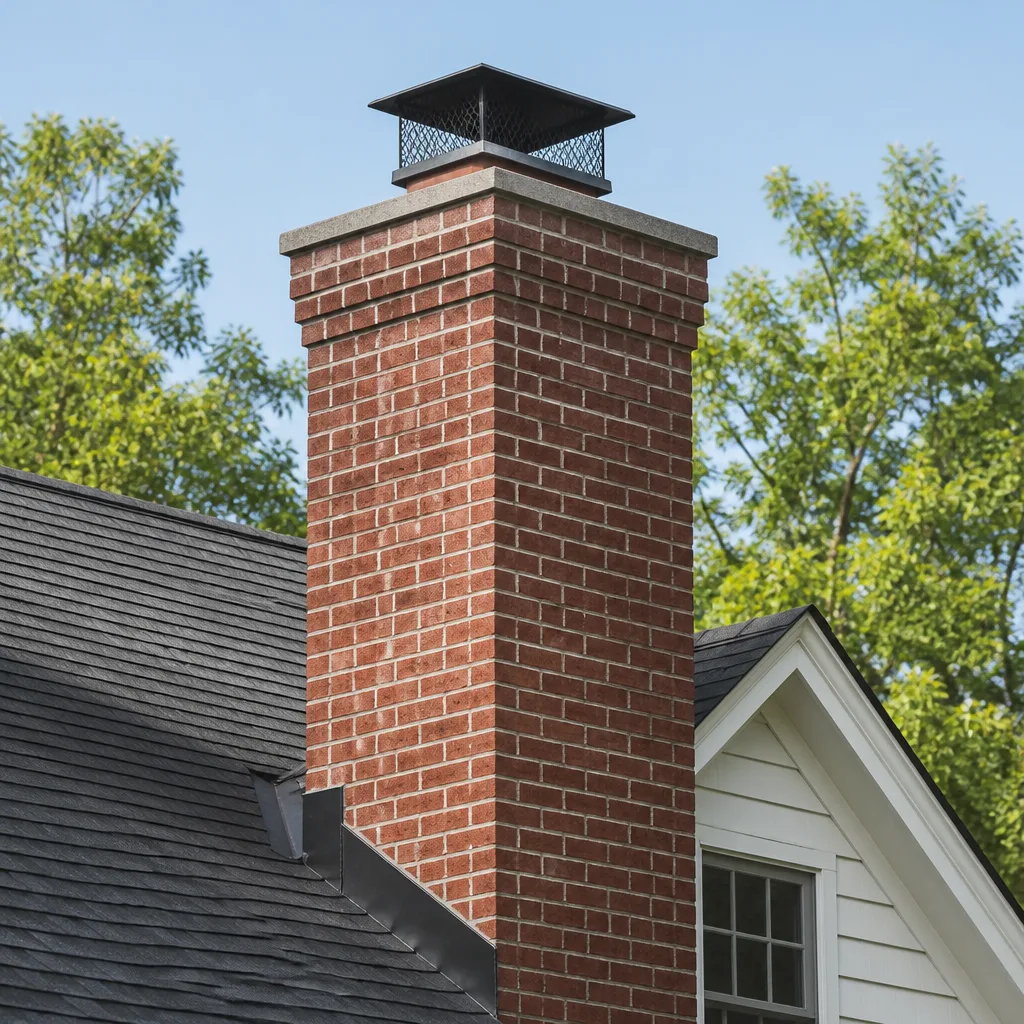
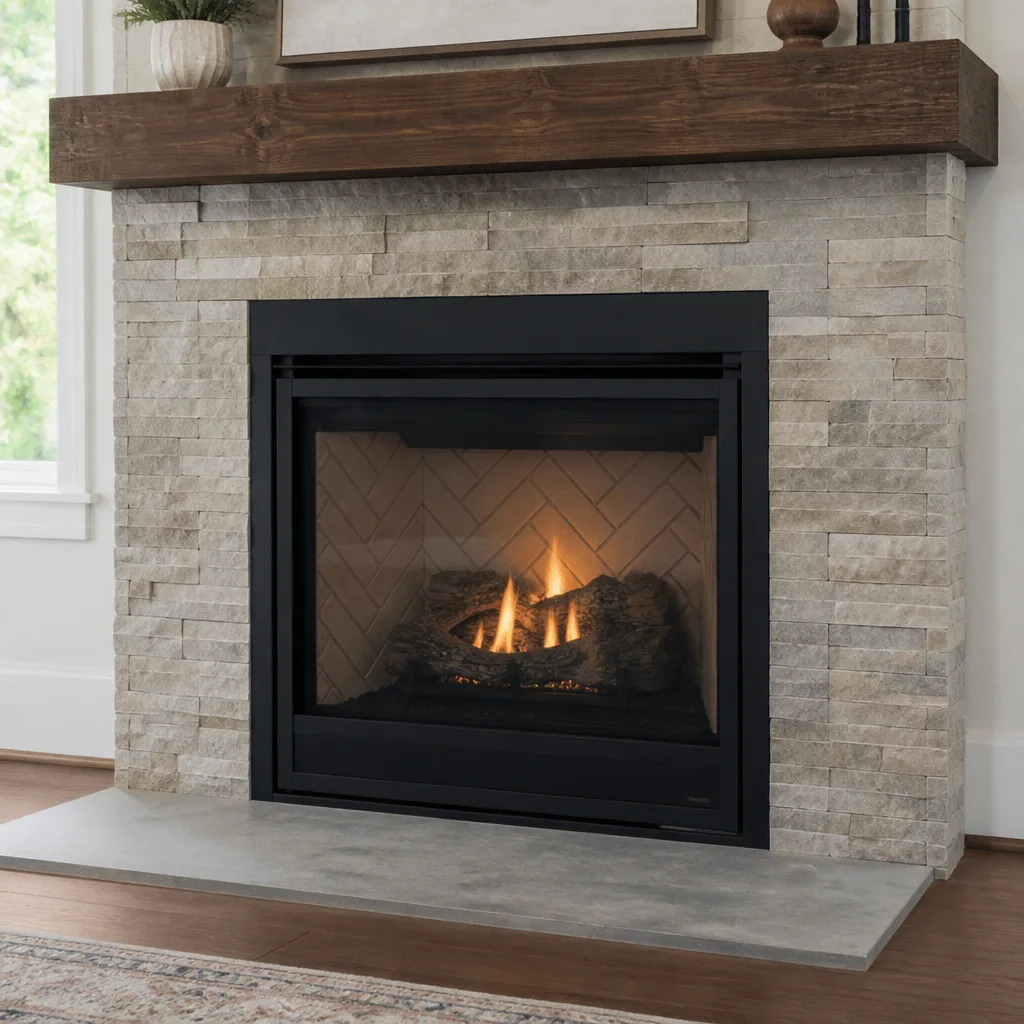
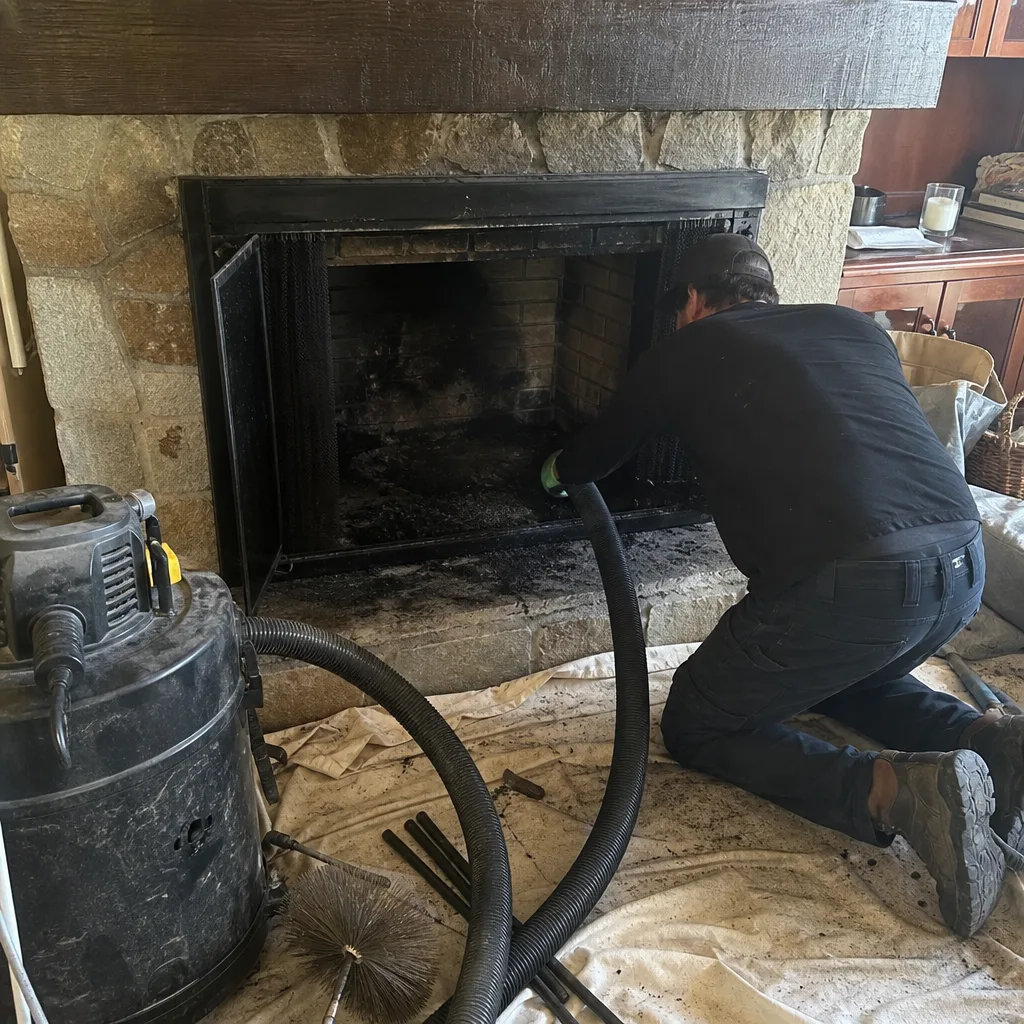 Before
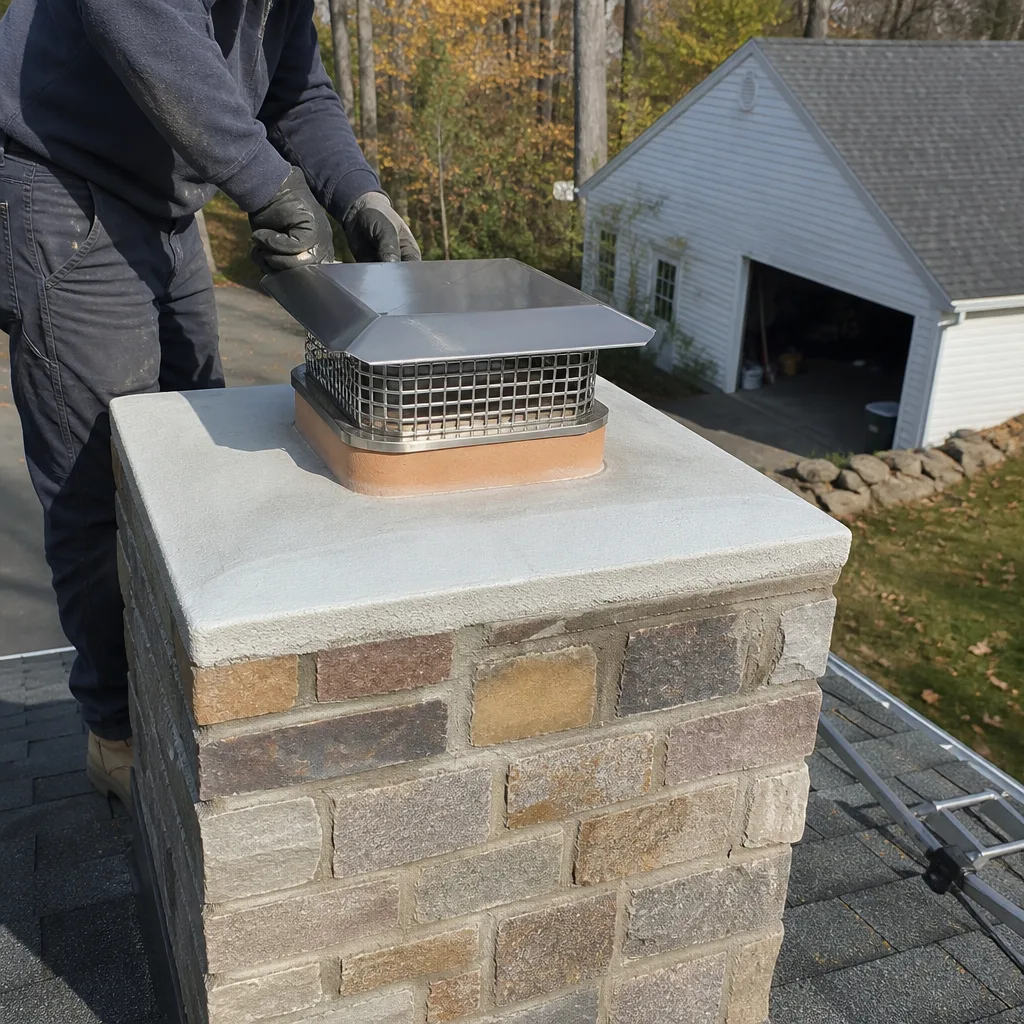 After
After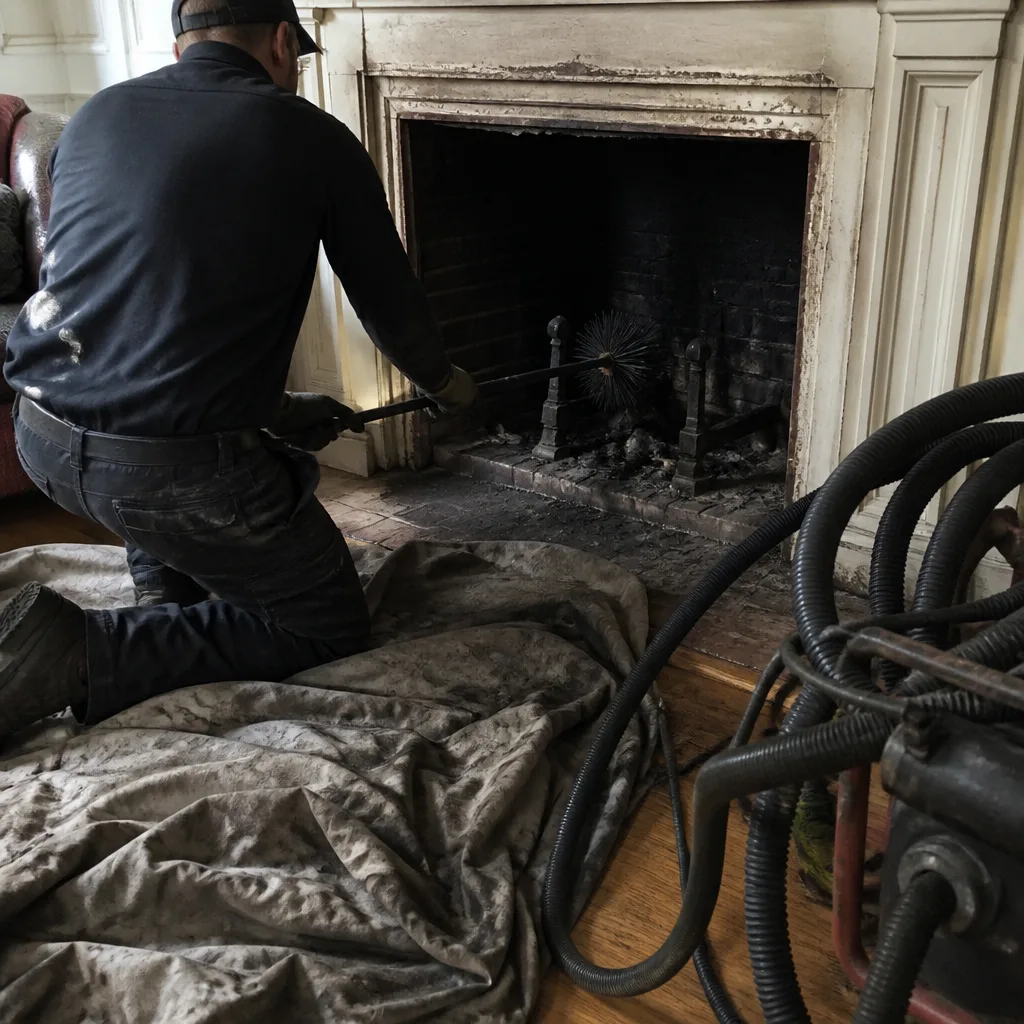 Before
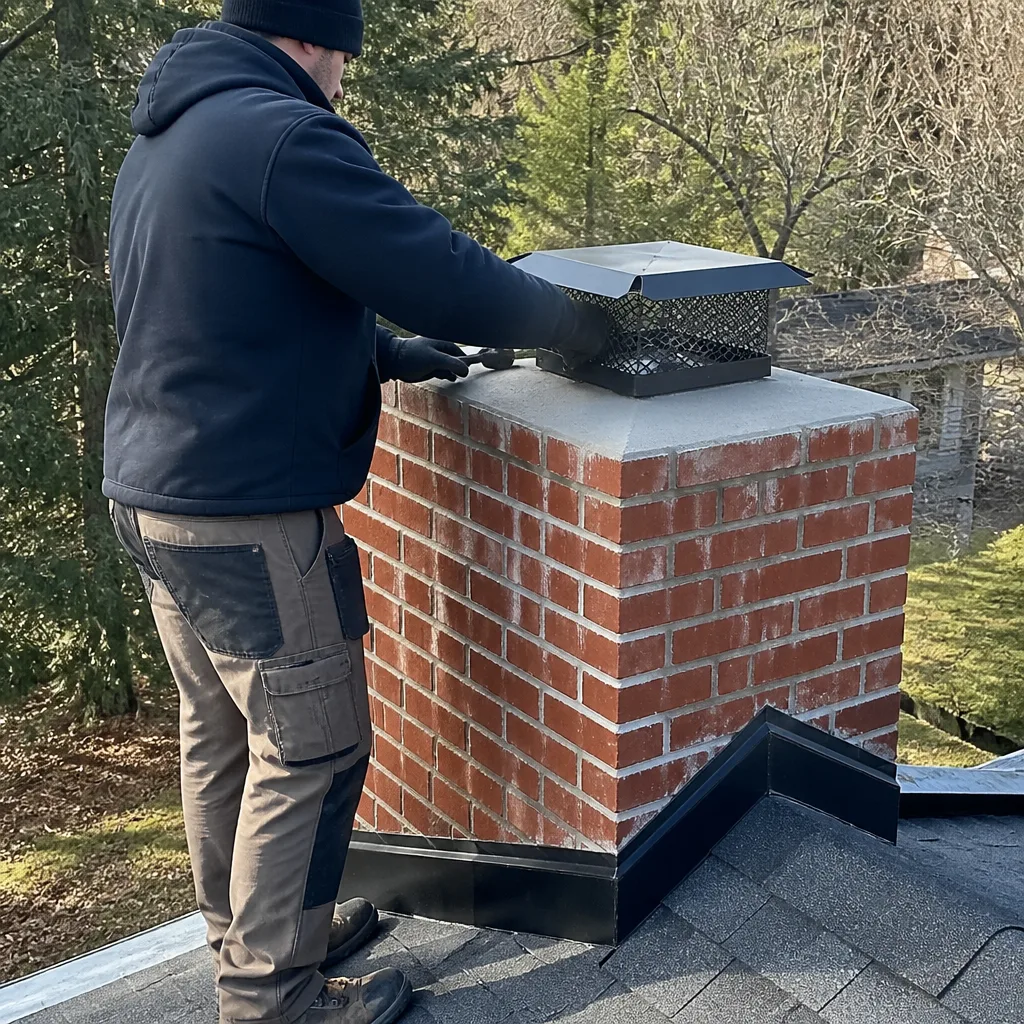 After
After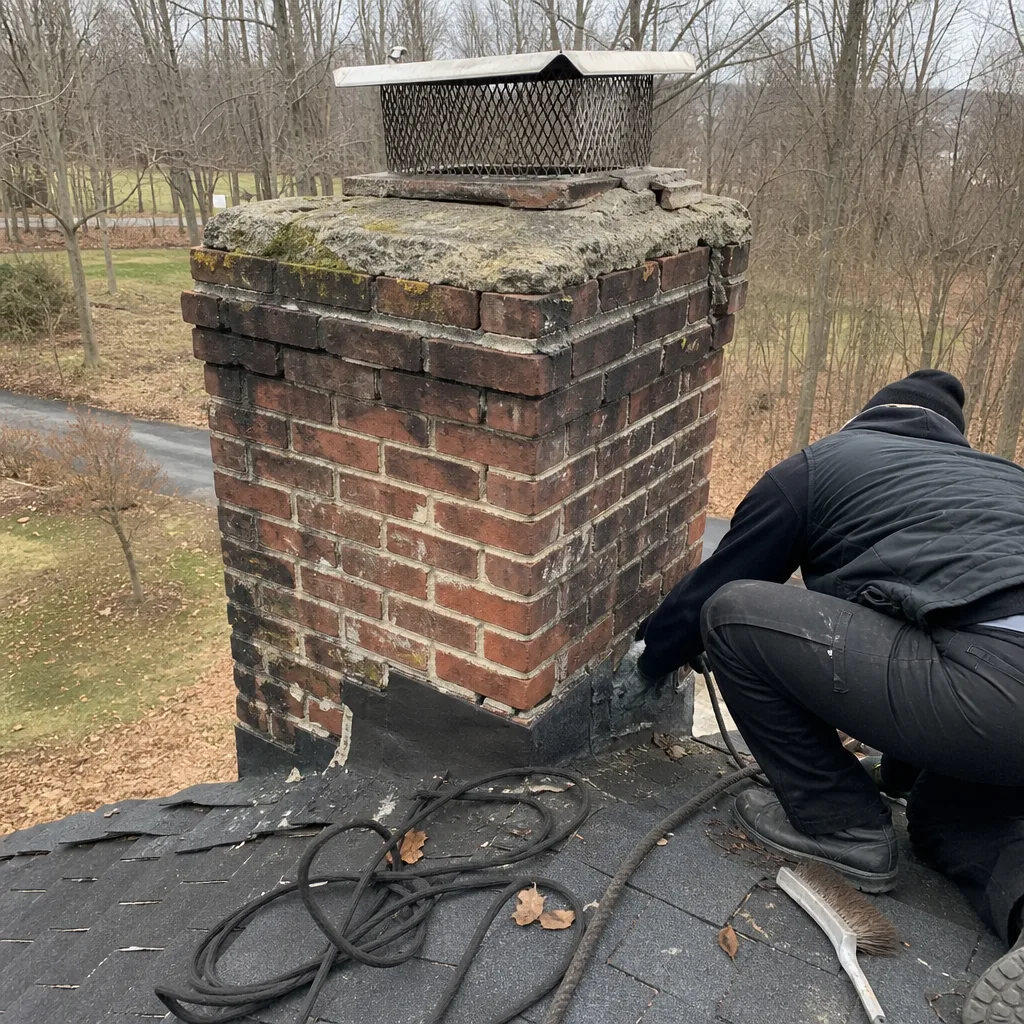 Before
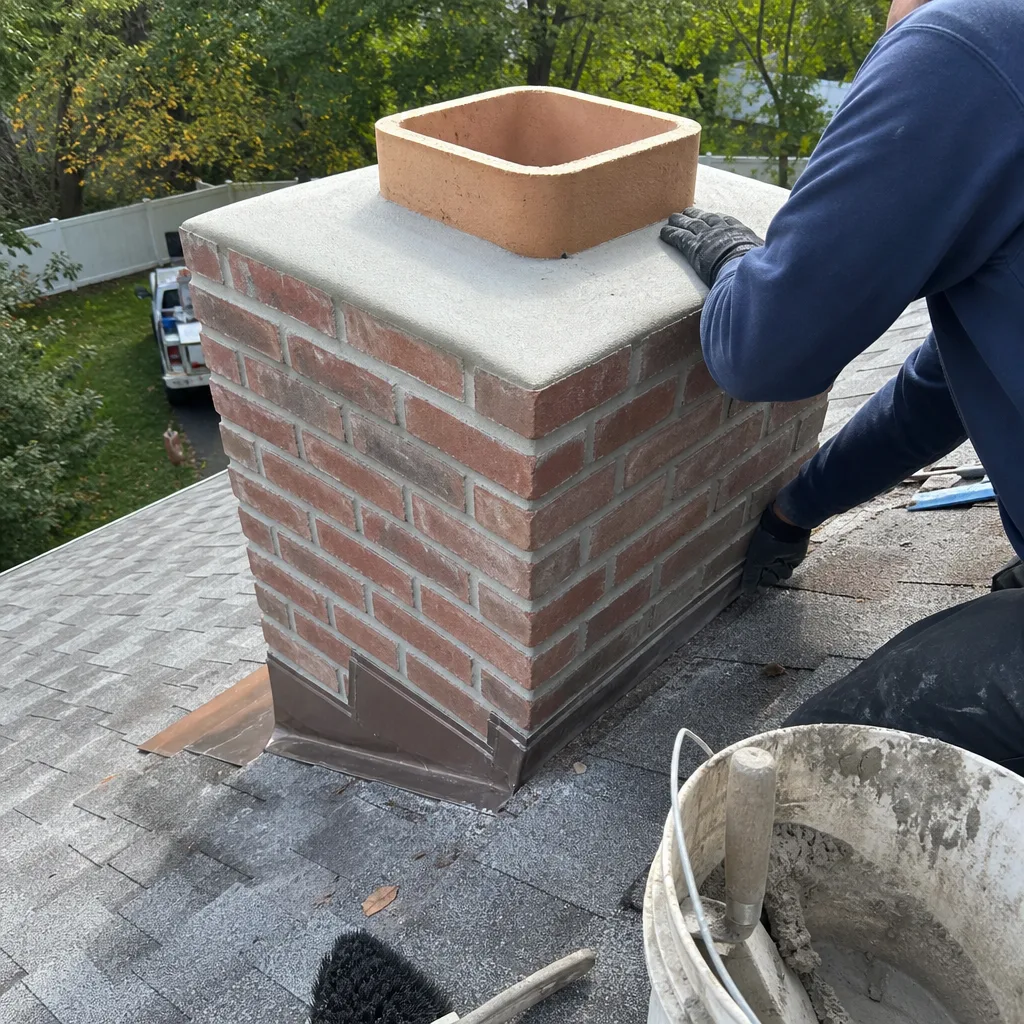 After
AfterChimney Cleaning & Sweep Maintenance Checklist for Bedford Homeowners
Most chimney checklists tell you to inspect your cap from the ground. In Bedford, that’s nearly useless. Our freeze-thaw cycle can split a cast-iron cap clean through in one winter, and from the driveway it still looks fine. We’ve found caps that were structurally failed for three seasons while the homeowner dutifully checked the box every October. This guide is built from what Hearthstone’s sweeps actually document in Bedford homes - the specific failure points, the seasonal timing that matters here, and the documentation habits that save you from starting over with a new sweep every year. You’ll get monthly checks that take five minutes, pre-season and post-season protocols calibrated to our climate, and the three skipped items that turn $200 maintenance into $4,000 rebuilds.
Quick Answer
Bedford homeowners should perform monthly visual checks (no tools needed), schedule our Chimney Cleaning & Sweep services for a professional Level-2 inspection each September before first fire, complete a post-season shutdown in April, and maintain a photo log year-over-year. The full checklist below covers 22 specific items organized by season, with clear “normal versus call someone” criteria for each.
Table of Contents
- Monthly Owner Checks: Five Minutes, No Tools
- Pre-Season Sweep Checklist: Bedford’s October Startup Conditions
- During-Season Monitoring: What Changes Week to Week
- Post-Season Shutdown: Why Closing the Damper Isn’t the Last Step
- The Documentation Habit: Building Your Chimney’s History
- Three Checklist Items Bedford Homeowners Skip Most Often
- Common Mistakes to Avoid
- When to Call a Professional
- Frequently Asked Questions
Monthly Owner Checks: Five Minutes, No Tools
These checks require no ladder, no flashlight you can’t reach from the hearth, and no special knowledge. Do them the first Saturday of each month during burning season. The goal is catching change, not diagnosing it.
From the Hearth: Four Items
- Smell check on a dry day. Close all windows and stand near the firebox after the house has been closed up for an hour. A damp, campfire-ash smell means moisture is getting in somewhere. Normal: faint, dry wood scent from last fire. Call someone: sharp ammonia (animal), musty mold, or sour smoke that lingers.
- Damper operation. Open and close fully. It should move smoothly and seat with a soft metallic click. Normal: slight resistance from soot buildup, full range of motion. Call someone: grinding, catching, or visible gaps when “closed.”
- Firebox visual. Look up with a phone flashlight. Normal: thin layer of ash dust, brick or refractory panel surfaces intact. Call someone: white or yellow staining (moisture leaching), cracked panels, or mortar missing between bricks.
- Hearth extension check. The non-combustible surface in front of your fireplace. Normal: clean, no new cracks. Call someone: spalling, discoloration spreading toward flooring, or gaps where hearth meets firebox.
From the Exterior: Two Items
- Ground-level cap and crown view. Use binoculars if you have them, but naked eye works. Normal: cap sits level, no visible tilt, no debris堆积 (leaves, sticks, obvious nests). Call someone: cap askew, missing mesh sides, or dark staining running down the chimney face below cap level.
- Chimney body scan from driveway. Look for new vegetation, missing mortar, or white efflorescence. In Bedford’s wooded lots, we’ve seen Virginia creeper root into mortar joints in a single growing season. Normal: weathered appearance consistent with last month. Call someone: new growth, bricks that look “popped” forward, or white crystalline streaking that wasn’t there before.
Log what you see. Even “normal, no change” is useful data. We’ll explain how to organize this in the Documentation section below.
Pre-Season Sweep Checklist: Bedford’s October Startup Conditions
Bedford’s first-fire timing runs roughly October 15 to November 1, depending on the year. The conditions that matter here are specific to our location: summer humidity that never fully dries masonry, September animal nesting peak, and the draft problems that appear when outdoor temperature finally drops below indoor temperature after months of the reverse.
Professional Items (Schedule in September)
We recommend booking your Chimney Cleaning & Sweep in Bedford by Labor Day. September slots fill because experienced homeowners know the October rush means less scheduling flexibility and more emergency pricing from less scrupulous operators.
A proper pre-season service should include:
- Level-2 camera inspection. This is non-negotiable for homes over 15 years old, or any home with a change in fuel type, appliance, or liner. The camera reveals creosote buildup patterns, liner condition, and masonry deterioration that a visual sweep misses entirely. At Hearthstone, every Level-2 ends with photos you can see and a plain-English verdict - documented like an engineer, explained like a craftsman.
- Mechanical sweep of flue. Removes Stage 1 (sooty) and Stage 2 (flakey) creosote. Stage 3 (glazed, tar-like) requires chemical treatment and a return visit - this is why annual sweeping matters; letting it progress to Stage 3 doubles your cost.
- Smoke chamber and firebox inspection. The smoke chamber (the area above the damper) is where most chimney fires start. It’s also where amateur sweeps often stop because it’s hard to reach and harder to photograph.
- Cap, crown, and flashing assessment. Bedford’s October rains come before consistent freezes, so water intrusion paths identified now can be sealed before ice expansion makes them worse.
Homeowner Items (Complete Before First Fire)
- Test all smoke and CO detectors. Replace batteries regardless of test result. Write the date on the battery with a Sharpie.
- Check wood supply moisture content. Split a piece fresh. The interior should feel dry and warm, not cool and damp. In Bedford’s humid summers, even covered wood can reabsorb moisture. Below 20% moisture is the target; above 25% creates dangerous creosote buildup regardless of how clean your flue starts the season.
- Verify clearance to combustibles. Furniture drifts closer to hearths over summer. The standard is 36 inches for open fireplaces, 12 inches for stoves with proper heat shields. Measure it.
- Open and inspect the cleanout door. Located at the base of the chimney, usually in the basement. Normal: dry ash residue, slight soot. Call someone: standing water, animal droppings, or chunks of fallen mortar.
During-Season Monitoring: What Changes Week to Week
Once you’re burning regularly, the checklist shifts from prevention to pattern recognition. Problems develop faster when the system is active.
Weekly: Two Minutes
- Draft behavior on cold start. When you open the damper and light kindling, smoke should draw immediately upward. In Bedford’s older homes with stack effect issues (warm air rising through leaks in upper floors), you may get initial smoke spillage until the flue warms. Normal: brief puff, then clean draw. Call someone: consistent smoke into the room, or the need to open a window to establish draft.
- Glass door or insert gasket check. If you have a fireplace insert or glass doors, look for soot accumulation on the glass interior. Some is normal. Rapid buildup indicates poor combustion - often wet wood or insufficient air supply.
Monthly: The Ash and Creosote Check
When you remove ashes (always to a metal container with a lid, stored outside on concrete), look at the firebox walls and the throat above the damper.
Normal: thin, dry, black or grey coating. Call someone: shiny, black, tar-like deposits (glazed creosote), or buildup that looks like brown coffee grounds (Stage 2 advancing to Stage 3). Either means your burning habits or wood supply needs adjustment, and you need a sweep before continuing heavy use - see our Chimney Cleaning Warning Signs: A Bedford Homeowner’s Reference Guide for more details.
After Any Severe Weather Event
Bedford sees ice storms and the occasional microburst that neighboring towns miss. After any event with sustained winds over 40 mph or significant ice accumulation:
- Check for new exterior mortar damage from the ground
- Listen for rattling or wind noise that wasn’t present before - often the first sign of a loosened cap
- Run your monthly smell check even if it’s off-schedule
Post-Season Shutdown: Why Closing the Damper Isn’t the Last Step
Most Bedford homeowners stop here: last fire burns out, damper closes, checklist done until October. This is when moisture damage accelerates, because the chimney that was actively drying through winter use now becomes a passive conduit for spring humidity.
The April Protocol
- Final ash removal. Remove all ashes. Residual ash is hygroscopic - it pulls moisture from air and holds it against metal and masonry. In Bedford’s April humidity swings, this is the start point for rusted dampers and deteriorated firebox floors.
- Damper left cracked open. Not fully closed. A half-inch gap allows air circulation that prevents the trapped-moisture conditions where rust forms. This seems counterintuitive, but we’ve replaced dampers that were rusted solid from being “properly” closed all summer.
- Cap and crown inspection from ground. Winter is when cap damage becomes visible. The freeze-thaw cycle that Bedford experiences 40-60 times per winter expands water in microcracks. By April, those cracks are wide enough to see from the driveway. Look for new white efflorescence (mineral deposits from water migration) and any cap tilt.
- Basement cleanout check. Spring is when we find the evidence of winter water intrusion: damp ash residue, rust streaks, or in worst cases, white mold on the cleanout door interior.
- Schedule any needed repairs before September. Chimney repair in Bedford booked in April or May gets better technician availability and lets materials cure properly through summer heat. September booking for October repair often means rushed work or weather delays.
The Summer Moisture Problem Specific to Bedford
Our location between the Hudson and Long Island Sound creates humidity patterns that inland Westchester doesn’t match. Summer air holds more moisture, and Bedford’s mature tree canopy keeps chimneys shaded and cool - the perfect conditions for condensation inside the flue. This is why the April protocol matters more here than in drier climates. We’ve documented liner corrosion in Bedford chimneys that was purely condensation-driven, with no leak source other than humid air meeting cool masonry.
The Documentation Habit: Building Your Chimney’s History
A new sweep starts from zero. A sweep with your chimney’s history spots change immediately. The difference in diagnostic accuracy is enormous, and it protects you from unnecessary work.
What to Photograph
- Firebox, looking up toward damper (same angle each time)
- Damper mechanism, open and closed
- Hearth extension, full width
- Exterior chimney from driveway, zoomed to cap level
- Cleanout door interior
- Any anomaly, even if you’re told it’s “fine” - get the explanation in writing
How to Organize It
Create a folder per year. Name photos with date and location: “2024-10-01_firebox.jpg”. Include a simple text note with:
- Date of professional service and company name
- What was done (sweep, inspection, repair)
- Specific findings (not just “all good” - what did they measure, what did they photograph)
- Recommendations made and whether you accepted or deferred
- Next recommended service date
When you call Hearthstone with five years of organized records, we can tell you in minutes whether that stain is new or whether that crack has been stable since 2019. Without records, we’re guessing, and guessing costs you money.
The Written Verdict Standard
Any sweep who won’t put findings in writing - with photos - is asking for trust they haven’t earned. Our Hearthstone Chimney Co. home page explains our process, but the standard applies regardless of who you use. Verbal-only assessments leave you with no recourse if the “minor issue” becomes a major failure six months later.
Three Checklist Items Bedford Homeowners Skip Most Often
These are the items we see deferred year after year, with predictable costs when they’re finally addressed.
1. The Cleanout Door Inspection
It’s in the basement. It’s inconvenient. It’s also where the earliest signs of liner failure, water intrusion, and animal entry appear. Skipped because: out of sight, requires going to an unfinished area, often rusted shut.
Cost when caught early: $200-400 for minor masonry sealing or cap repair.
Cost when caught late: $2,500-4,500 for liner replacement with water damage remediation to surrounding structure. We’ve seen basement ceiling drywall, floor joists, and sill plates compromised from years of undetected cleanout-area moisture.
2. The Smoke Chamber Parging Check
The smoke chamber is the area above your damper, shaped like an upside-down funnel to direct smoke into the flue. Building code requires it to be smooth (parge-coated), but many older Bedford homes have corbeled brick that’s rough and collects creosote. Skipped because: invisible without a camera, rarely mentioned by sweeps who don’t do Level-2 inspections.
Cost when caught early: $800-1,500 for fireplace services in Bedford including smoke chamber parge with HeatShield or similar refractory coating.
Cost when caught late: $3,000-6,000 for firebox and smoke chamber rebuild after a chimney fire degrades the structure. Chimney fires in rough smoke chambers burn hotter and longer because the surface area traps fuel.
3. The Crown (Not Cap) Condition
The crown is the concrete or mortar slab that seals the chimney top below the cap. The cap is the metal hat that keeps rain out. Homeowners check the cap; they miss the crown. In Bedford’s climate, a cracked crown lets water straight into the chimney core, where it freezes, expands, and spalls brick from the inside out. Skipped because: requires close inspection, often confused with the cap, deterioration is gradual.
Cost when caught early: $400-800 for crown sealant or minor rebuild.
Cost when caught late: $4,000-8,000 for partial or full chimney rebuild when freeze-thaw damage compromises structural integrity. We’ve rebuilt chimneys in Bedford Hills and Katonah where the crown had been failed for a decade and the homeowner never knew because the cap looked fine from the ground.
Common Mistakes to Avoid
- Assuming a “clean” fireplace means a safe chimney. The firebox is the easy part to see and clean. Creosote buildup, liner damage, and masonry deterioration happen where you can’t look without equipment. Annual professional inspection is not redundant with your monthly checks; it covers different territory.
- Burning “just a little” green wood. In Bedford’s humid climate, even “seasoned” wood from local suppliers often tests above 25% moisture. Every percentage point above 20% increases creosote accumulation measurably. Buy a $20 moisture meter and use it.
- Ignoring draft problems by opening a window. This works, which is why it’s dangerous. Masking a draft issue with makeup air means your chimney isn’t drawing properly - often due to flue blockage, improper sizing, or negative pressure from exhaust fans. The fix is diagnosis, not a cracked window.
- Deferring repairs because “it’s not leaking.” Chimney damage is rarely visible from inside the house until it’s extensive. By the time you see a water stain on a ceiling or wall, the damage behind it has been progressing for seasons.
- Hiring based on lowest sweep price. A $99 sweep that doesn’t include camera inspection, smoke chamber access, or written documentation is not a bargain. It’s a partial service that leaves you with false confidence. Compare what’s included, not just the number.
- Using the wrong fuel in a prefabricated fireplace. Many Bedford homes built 1985-2005 have factory-built fireplaces rated for natural gas only. Converting to wood without verifying appliance rating creates immediate fire hazard and voids homeowner’s insurance.
- Skipping post-season shutdown. The April protocol takes 30 minutes. The repairs it prevents take days and thousands of dollars. The correlation is direct and we’ve documented it across hundreds of Bedford chimneys.
When to Call a Professional
Call immediately if you notice: smoke entering the room during normal operation, visible flames or glowing material in the chimney exterior, a loud cracking or popping from the chimney during a fire, or the smell of burning plastic or rubber (indicating a liner breach). These are active hazard conditions.
Call within the week for: new white or yellow staining on interior or exterior masonry, a damper that won’t fully open or close, animal sounds from the chimney, or any change from your documented baseline photos.
Call for scheduled maintenance: annual Level-2 inspection and sweep each September, post-season assessment every April, and any repair before the next burning season. For a deeper dive, read The Complete Guide to Chimney Cleaning in Bedford.
Hearthstone Chimney Co. offers free estimates in Bedford - call (914) 409-9387. A live person answers every call, 24 hours a day, 7 days a week. We’ll schedule a visit, perform a Level-2 camera inspection with photos you can see, and give you a plain-English verdict with no-hassle upfront pricing. The number on the estimate is the number on the invoice. Every job is backed by our 90-Day Done Right Promise - in writing, no arguing.
Frequently Asked Questions
A professional chimney sweep and Level-2 inspection in Bedford typically ranges from $250 to $450, depending on chimney height, access difficulty, and whether chemical treatment is needed for glazed creosote. Basic sweeps without camera inspection may cost less, but they leave critical areas unexamined. Hearthstone’s $89 Seasonal Tune-Up is available for qualifying systems - call (914) 409-9387 for exact pricing on your chimney. Estimates are free.
The National Fire Protection Association recommends annual inspection for all chimneys, and sweeping as needed based on creosote accumulation. In Bedford’s climate with our humid summers and extended burning season, most wood-burning chimneys need annual sweeping. Gas fireplaces need inspection every 1-2 years for venting integrity, though they produce minimal creosote. If you burn more than three cords of wood per season, mid-season inspection is prudent.
Not always. A liner needs replacement when it’s cracked, perforated, or improperly sized for the appliance it’s serving. We document liner condition with camera photos you can see, and we explain exactly what we found. If the liner is sound but has minor gaps at the top or bottom, stainless steel relining with DuraFlex may be recommended over full replacement. If the liner is structurally intact and properly sized, we tell you so plainly. Nothing is recommended without camera evidence you can see for yourself.
Skipped maintenance leads to creosote accumulation, which increases chimney fire risk and can degrade the flue lining. Water intrusion from uncapped or damaged chimneys causes masonry spalling, rusted dampers, and structural damage that progresses faster in Bedford’s freeze-thaw climate. Carbon monoxide risk rises if blockages or liner breaches prevent proper venting. The cumulative effect: a $250 annual service becomes a $4,000-8,000 rebuild, often with interior water damage that’s not covered if negligence is determined. Call (914) 409-9387 to schedule before problems develop.
Mechanical sweeping of the flue is possible for able homeowners with proper brushes and rods, but it doesn’t replace professional inspection. The critical areas - smoke chamber, liner condition, crown integrity, clearances to combustibles - require specialized equipment and trained observation. In Bedford, building code and insurance requirements may also mandate professional certification for documented maintenance. We respect capable homeowners, but we also document the damage from DIY sweeps that missed the actual problem.
September is optimal. Technicians have full availability, materials cure properly in moderate temperatures, and you’re prepared before first fire. October through December is peak season with limited scheduling and weather delays. January through March is viable for mid-season concerns but less ideal for major repairs. April and May are excellent for post-season assessment and repair scheduling ahead of the next cycle.
The Bottom Line
Chimney maintenance in Bedford is not about following a generic checklist. It’s about understanding how our specific climate - humid summers, active freeze-thaw cycles, mature tree canopy, and extended burning season - creates failure points that differ from national averages. The five-minute monthly checks, the September pre-season protocol, the April shutdown steps, and the documentation habit together form a system that catches problems when they’re $200 fixes, not $4,000 rebuilds. The three most-skipped items (cleanout door, smoke chamber, crown condition) are where we’ve seen Bedford homeowners pay the price for deferred attention. Do the checks, keep the photos, and schedule professional service that includes camera inspection and written documentation. Done right - and we stand behind it.
Written by Russell Haines, Owner at Hearthstone Chimney Co., serving Bedford since 2014.