
Last updated September 10, 2026
Level 1 sweep and inspection to the NFPA 211 annual standard - flue, crown, cap, and flashing checked and photographed
Chimney sweep logs do not sweep chimneys. They loosen some creosote - which then falls where a brush and vacuum still have to collect it.
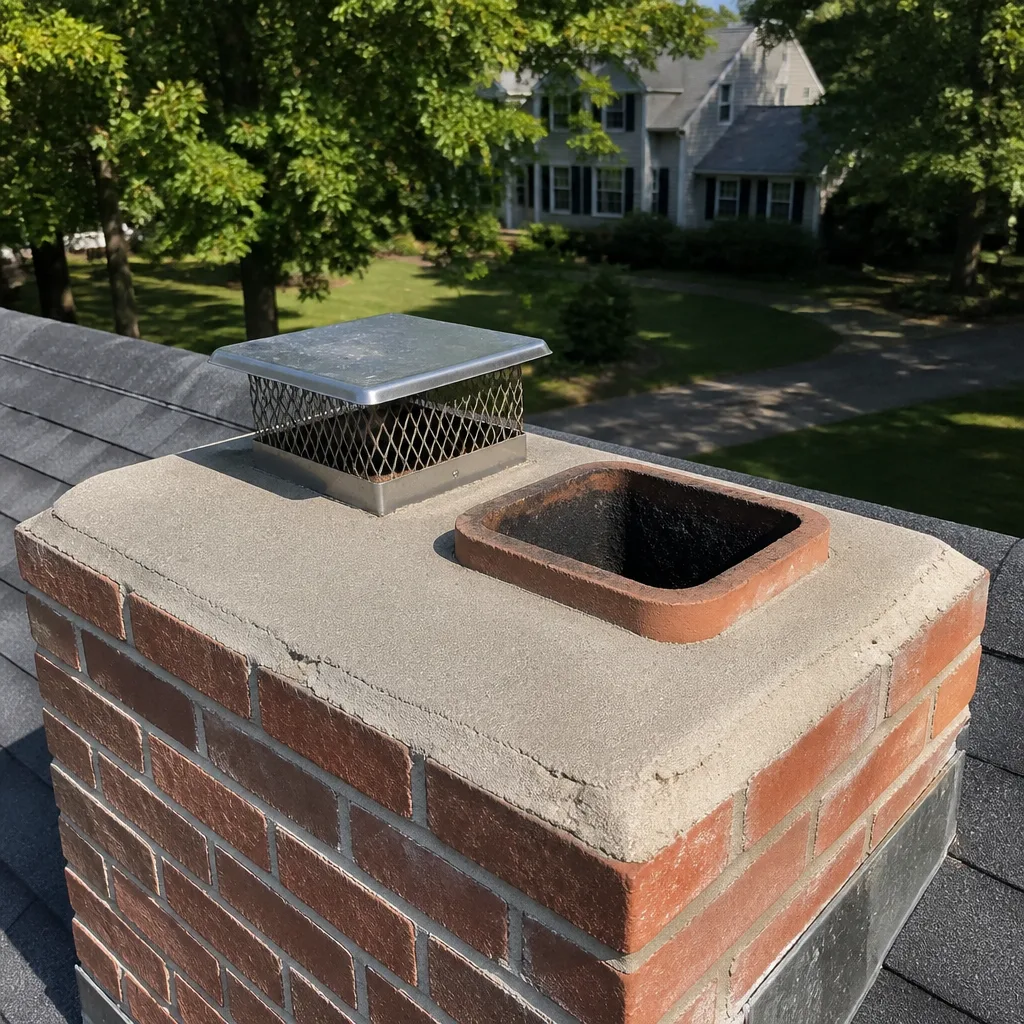
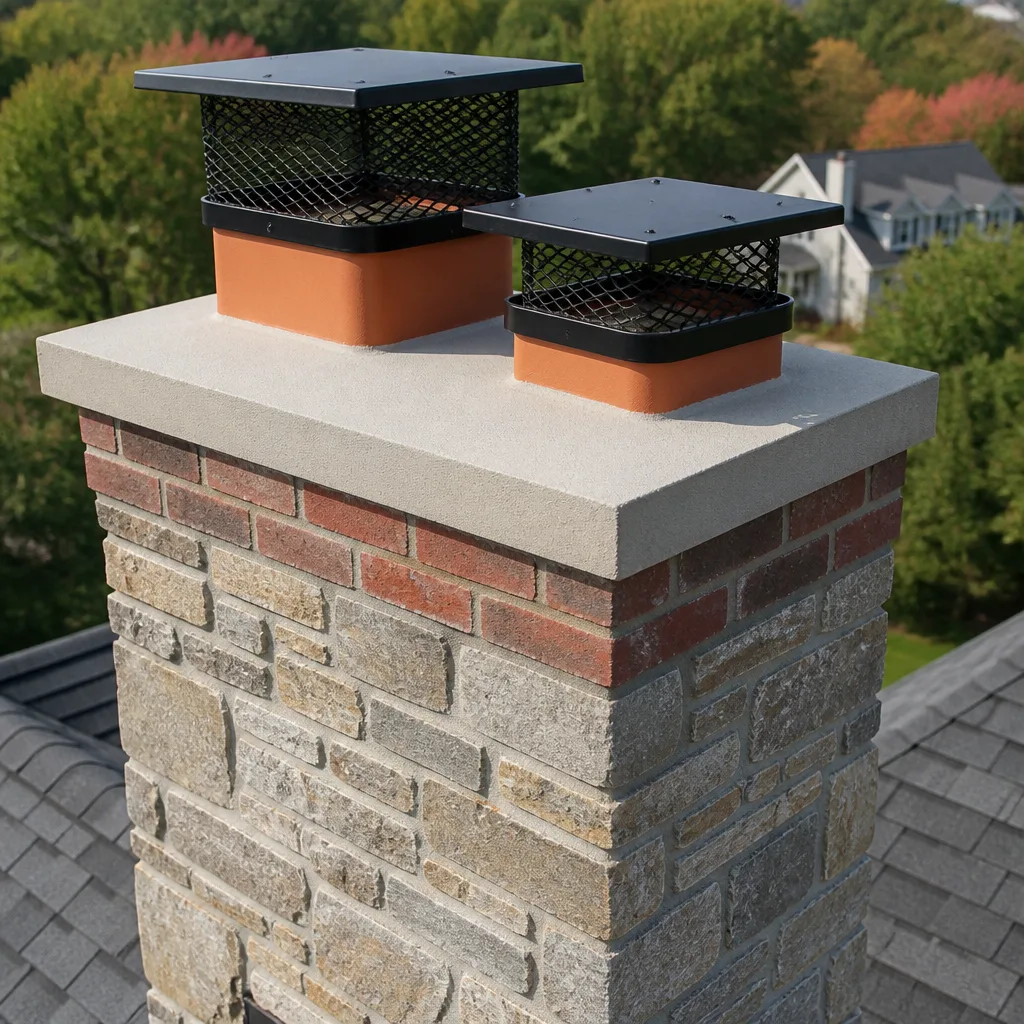
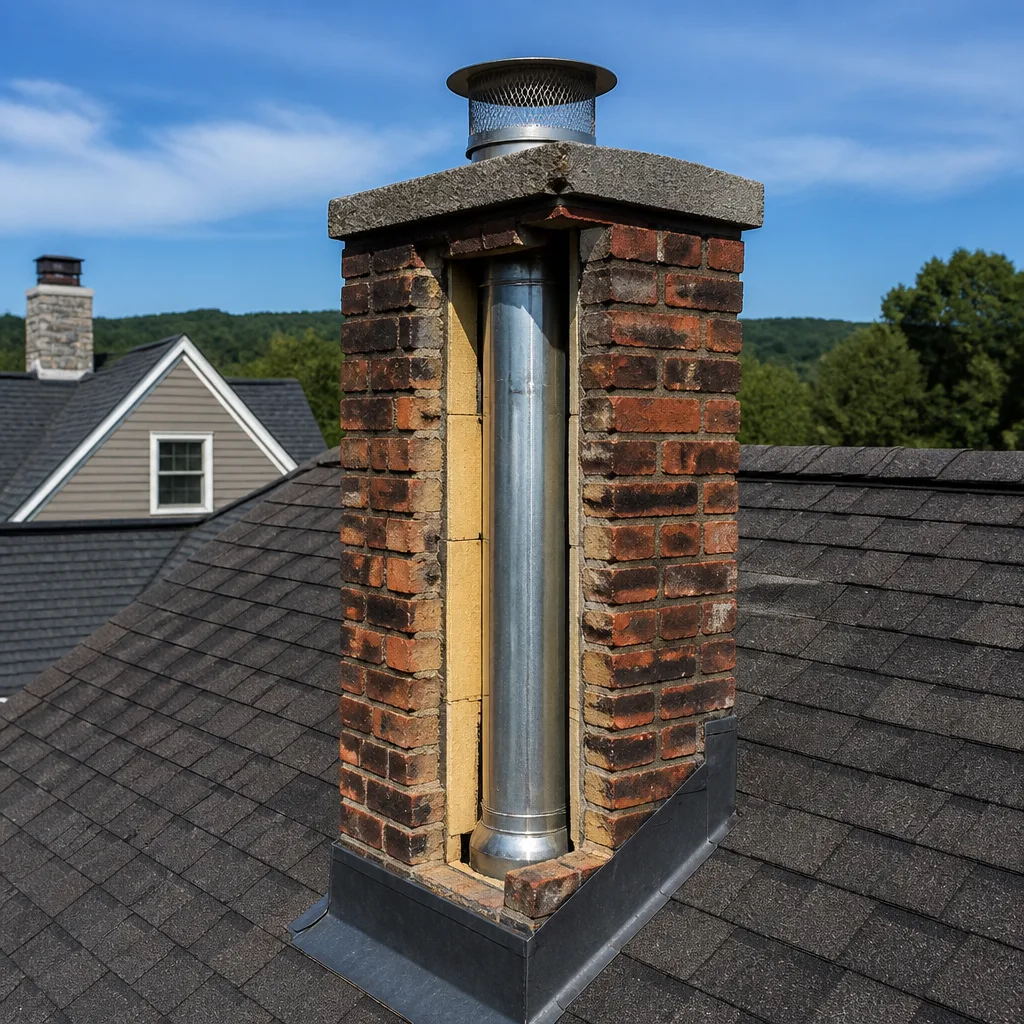
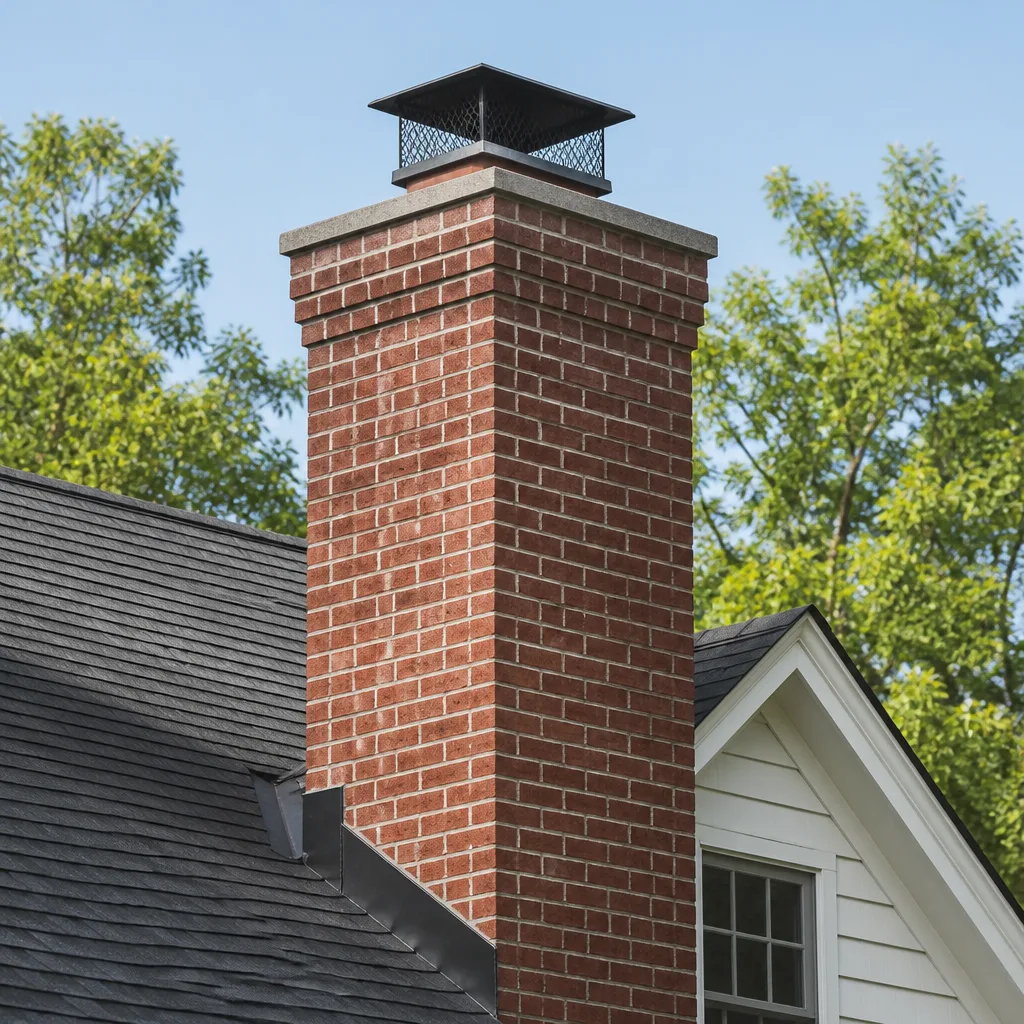
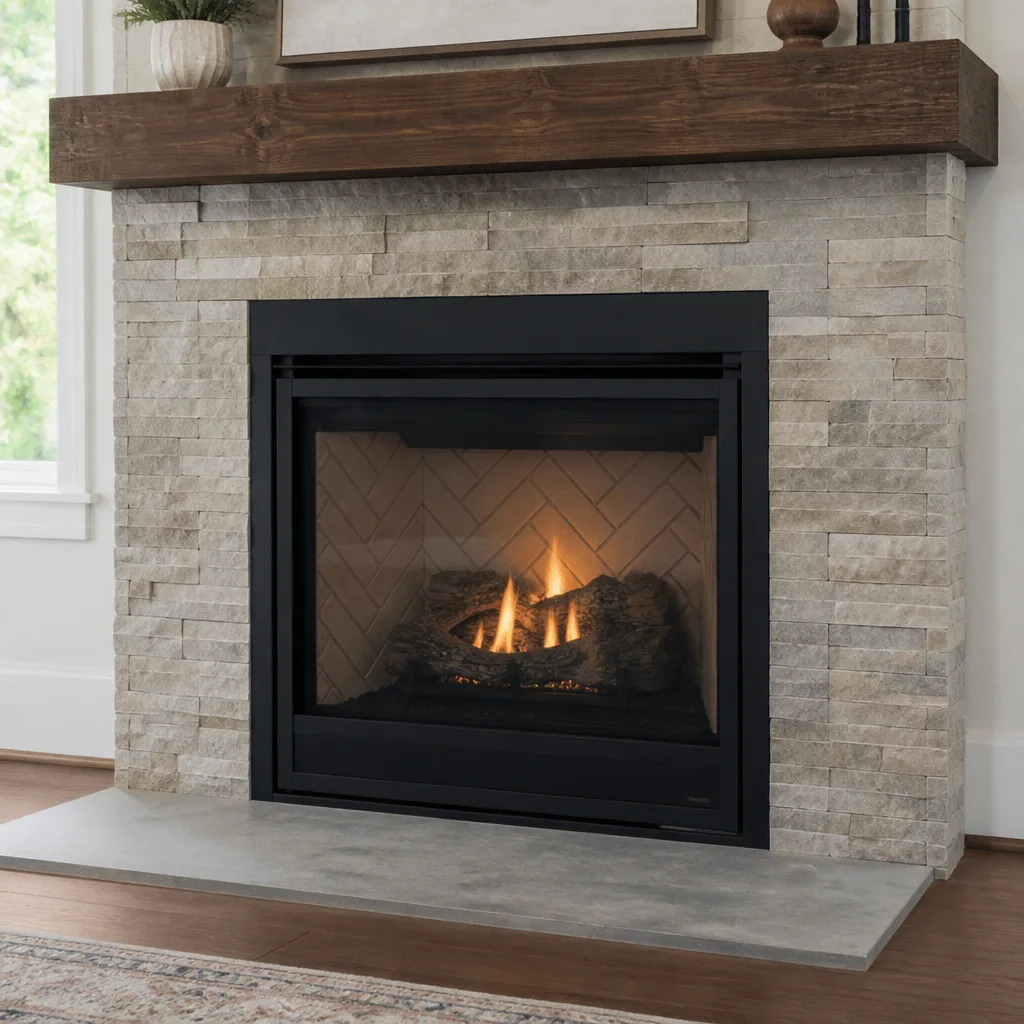
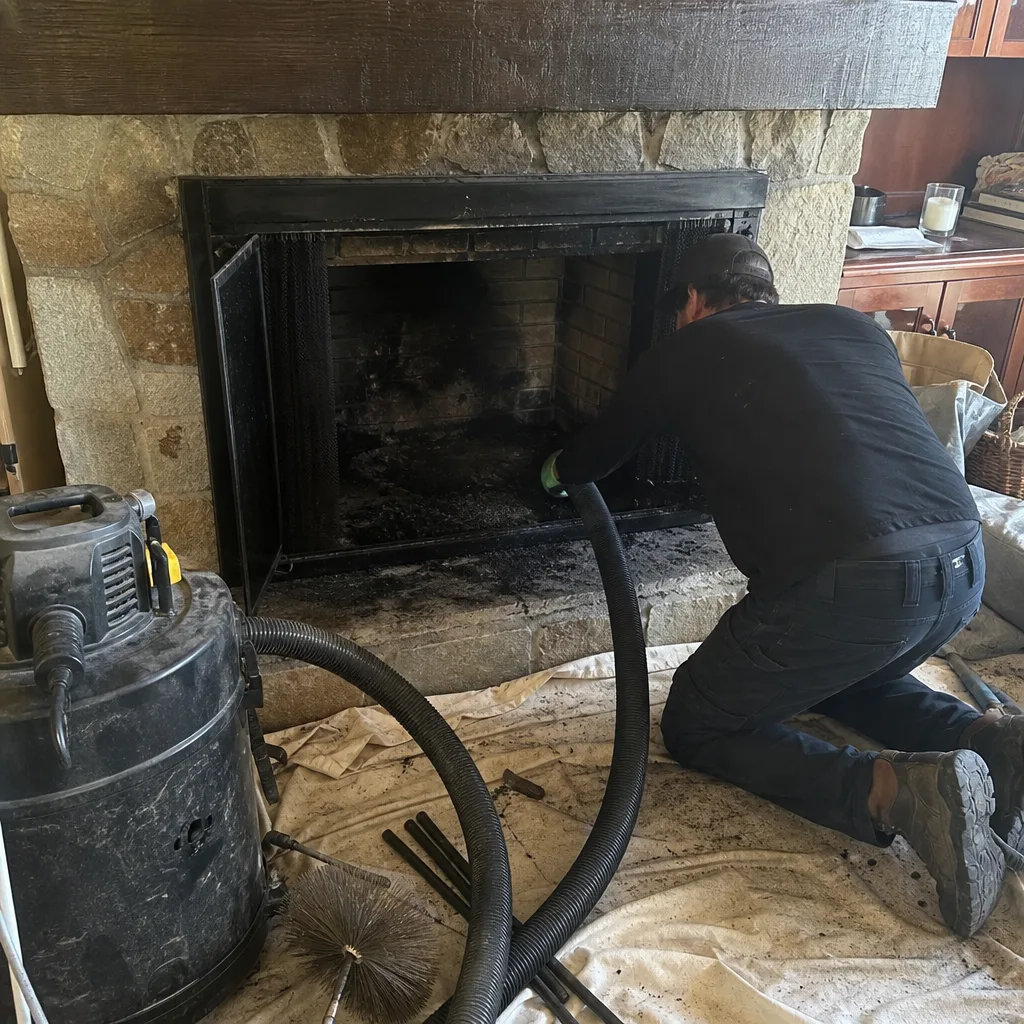 Before
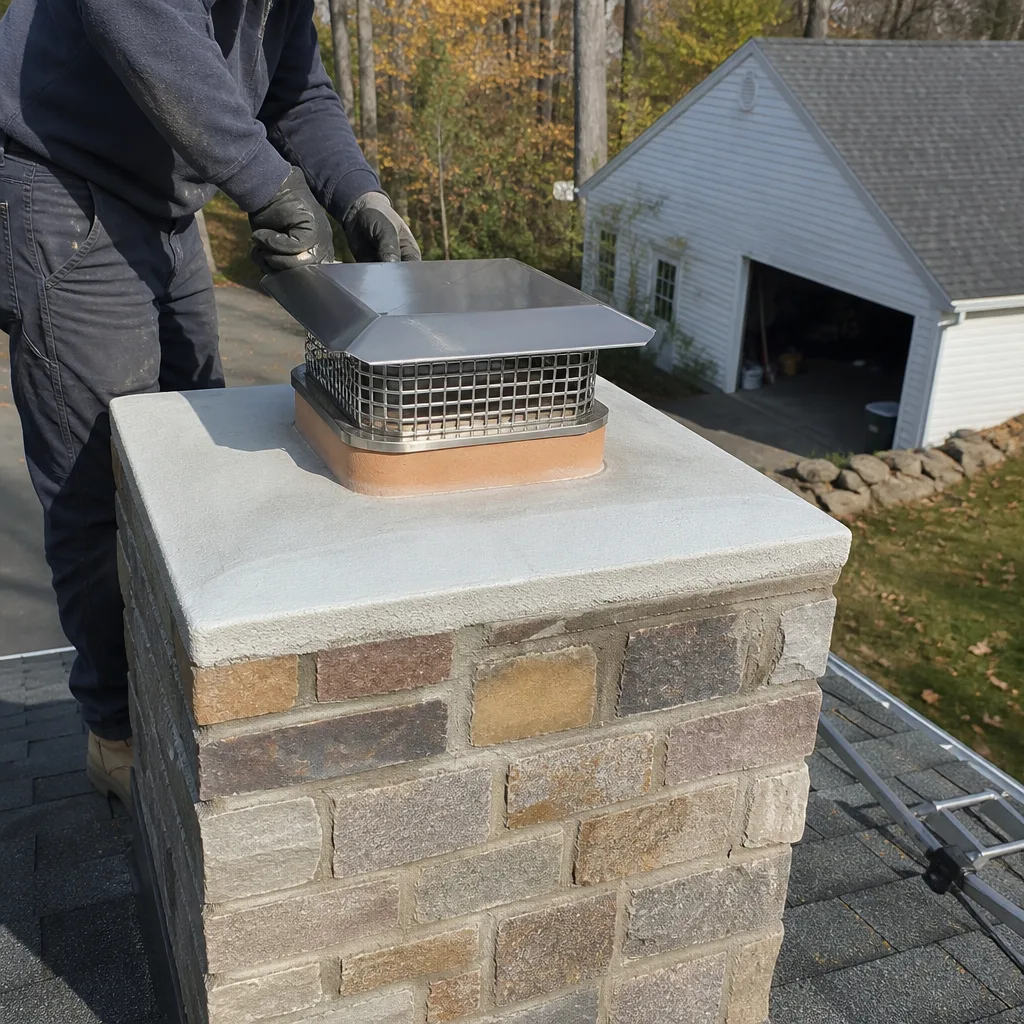 After
After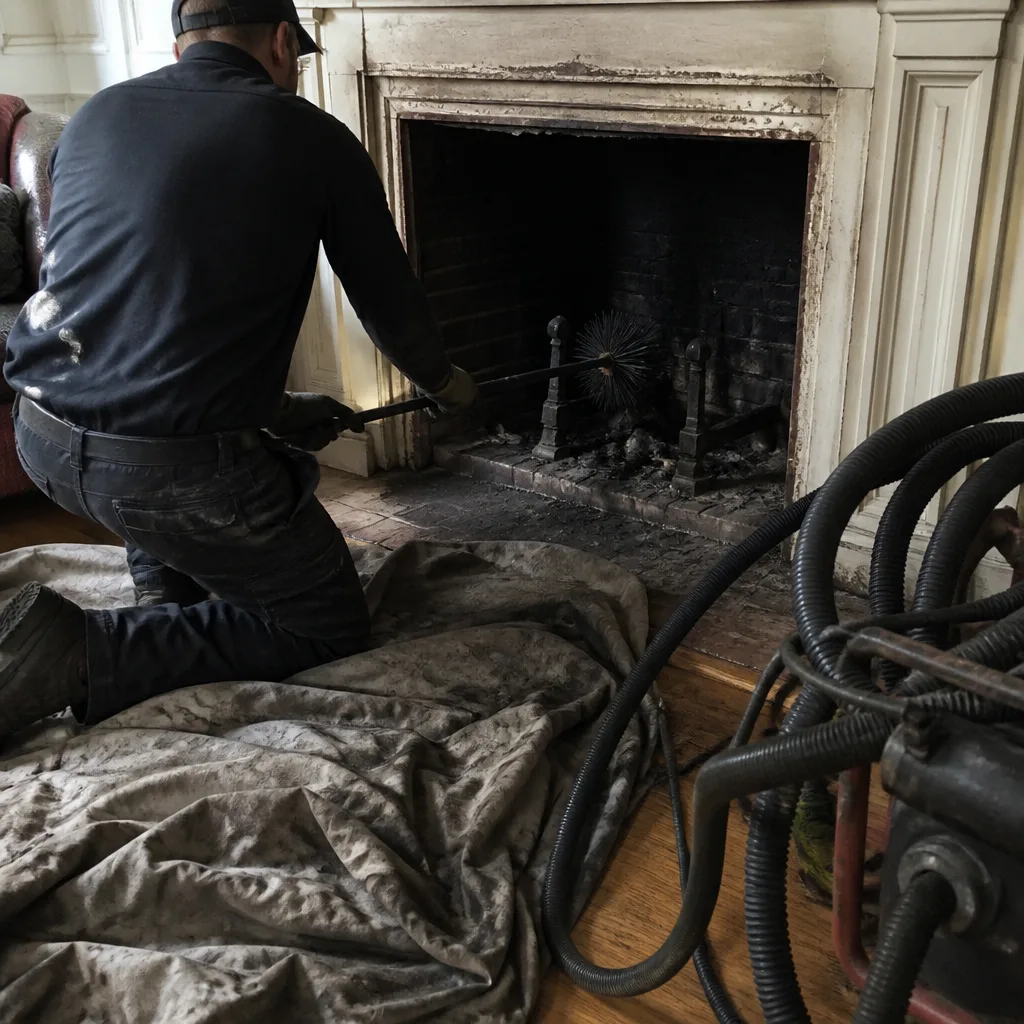 Before
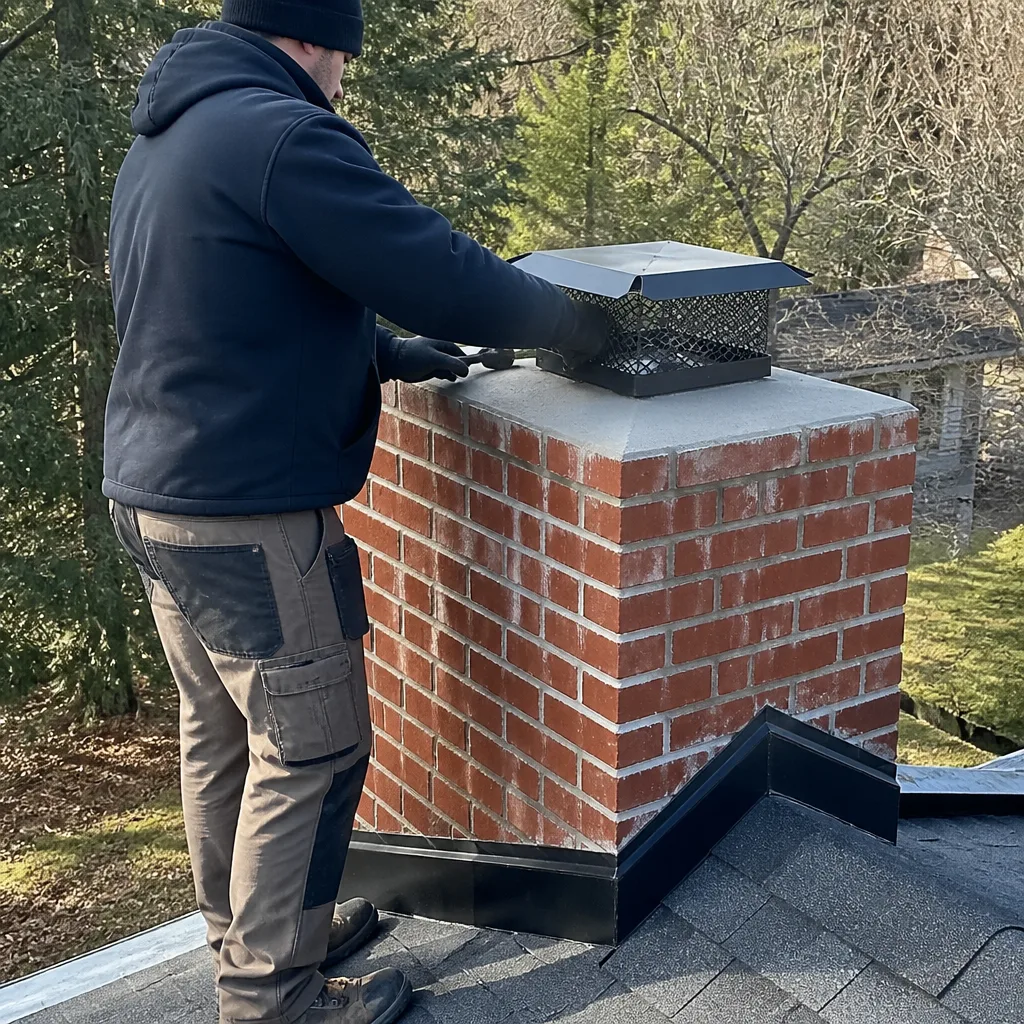 After
After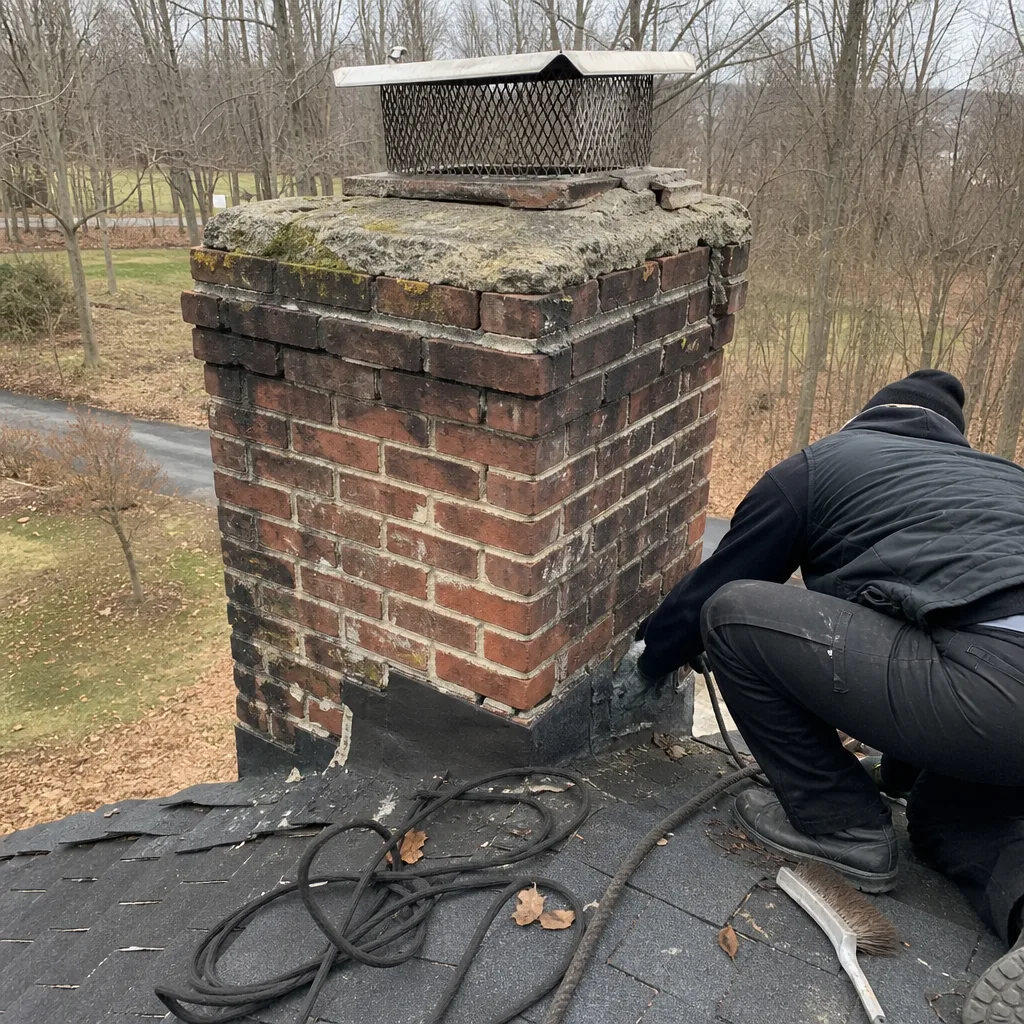 Before
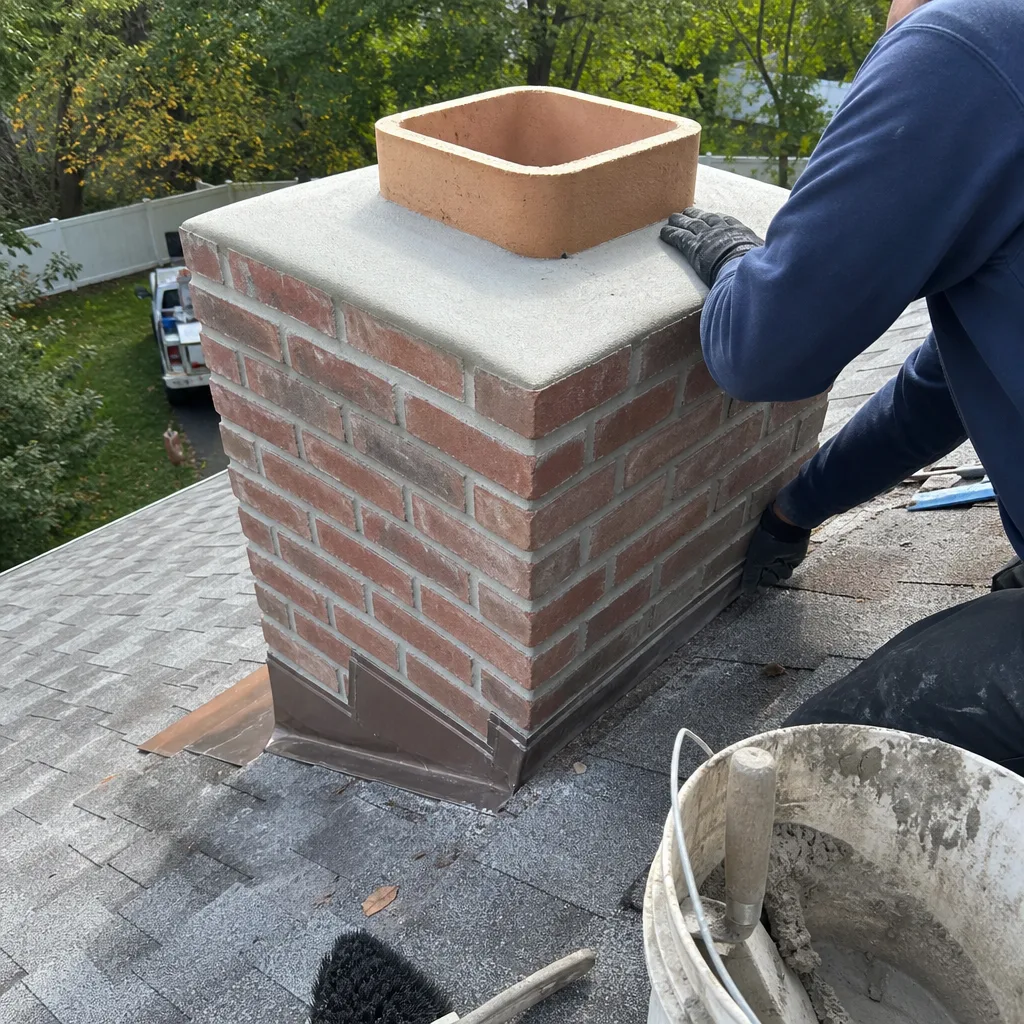 After
AfterChimney Cleaning Warning Signs: A Bedford Homeowner’s Reference Guide
By the time you smell smoke in a room with a closed damper, you’re not looking at a warning sign anymore - you’re looking at a repair bill. The warning signs that matter are the ones most Bedford homeowners walk past every day without recognizing them. In our 42 years serving Westchester County, we’ve found that the chimneys needing the most expensive work are often the ones that gave subtle, early signals for months before anyone noticed. This guide teaches you to read those signals: what to look for inside your firebox, how your draft behaves when something’s wrong, and which exterior clues visible from your lawn mean it’s time to act. For a deeper dive, see our Complete Guide to Chimney Cleaning in Bedford. Bedford’s freeze-thaw cycles and mature tree canopy create conditions you won’t find in generic national guides, so we’ll cover what matters here specifically.
Quick Answer
The most important chimney warning signs Bedford homeowners should watch for are: white efflorescence or spalling brick inside the firebox (moisture intrusion), rust streaks on the damper plate (corrosion from condensation), persistent downdrafts or fires that burn low despite dry wood (flue obstruction or liner damage), and musty or sharp chemical odors between burns (creosote buildup or animal intrusion). These early signals typically appear 6-18 months before dangerous conditions develop. If you notice any of these, schedule a Level-2 camera inspection before your next fire.
Table of Contents
- Visual Signals You Can Read from Inside the Firebox
- What Your Draft Behavior Is Telling You
- Exterior Warning Signs Visible from Your Yard
- The Smell Catalog: Decoding Chimney Odors
- Schedule the Sweep vs. Stop Lighting Fires
- How Bedford’s Climate and Architecture Affect Your Chimney
- Common Mistakes to Avoid
- When to Call a Professional
- Frequently Asked Questions
Visual Signals You Can Read from Inside the Firebox
Your firebox is the most accessible diagnostic surface in your entire chimney system. Most Bedford homes we service have masonry fireboxes built between 1960 and 1990, and the materials used then react predictably to specific problems. You don’t need a flashlight in the flue to spot trouble - you need to know what normal looks like so abnormal stands out.
Spalling Brick and Mortar Degradation
Spalling is when the face of a brick flakes, pops, or crumbles due to moisture trapped inside the masonry freezing and expanding. In Bedford, this accelerates dramatically in late winter when temperatures swing between 15°F nights and 45°F days. We’ve pulled handfuls of brick fragments from fireboxes in Katonah and Bedford Hills homes where homeowners assumed the debris was just “ash that fell down.”
What to look for: Small, curved chips of brick or sand-like granules accumulating on the firebox floor, especially in the back corners where condensation pools. Fresh spalling has sharp edges and the original brick color; older debris looks rounded and darker from soot.
What it means structurally: Water is entering from above - typically a cracked crown, deteriorated flashing, or missing cap. The freeze-thaw cycle is literally breaking your firebox apart from the inside. Left unaddressed, spalling progresses to full brick failure and requires partial rebuilds rather than simple repointing.
White Efflorescence
That chalky white staining on firebox walls is salt deposits left behind when water moves through masonry and evaporates. It’s not harmless “aging.” In Bedford’s clay-heavy soils, groundwater pressure against foundation walls can push moisture upward into chimney bases, especially in homes built on slopes common in the Cross River and Pound Ridge border areas.
What to look for: White powder that brushes off easily, often in horizontal bands where mortar joints act as channels. It may reappear within weeks of cleaning.
What it means structurally: Active water migration. The salts themselves aren’t damaging, but they’re evidence that water is moving through your masonry year-round, dissolving minerals and weakening the mortar matrix. We’ve seen efflorescence precede major liner corrosion by two to three years.
Rust Streaks on the Damper Plate
The damper is your most telling metal component. When you open it and look up, the plate should show uniform dark patina or light surface rust, not streaking or flaking.
What to look for: Vertical rust streaks running from the damper frame onto the plate, or orange staining on the firebox floor beneath the damper throat. This indicates condensation is collecting on the metal and running down rather than evaporating.
What it means structurally: Your flue is too cold for your fuel type, or your liner is undersized or damaged. Condensation in a properly functioning chimney should exit as vapor. Liquid water means the flue gases are cooling below dew point before escape, which in oil and gas systems creates sulfuric acid that destroys liners from the inside. In wood-burning systems, it accelerates creosote formation by 300% or more.
We’ve replaced dampers in Bedford homes where the plate had rusted through completely, unknown to the homeowner because they rarely looked up with the damper open. A professional chimney sweep in Bedford documents this with photos during every inspection.
What Your Draft Behavior Is Telling You
Draft is the natural upward airflow created by temperature differential between your flue and outside air. When it’s working, you don’t think about it. When it’s failing, your fire tells you - but the message is easy to misread.
Slow Startup and Smoke Rollout
A healthy fire should establish upward draft within 30-60 seconds of lighting. If you’re holding newspaper longer, waving it, or getting smoke back into the room during startup, your flue is cold or obstructed.
In Bedford’s older homes with exterior chimneys on north-facing walls, we’ve measured flue temperatures 20-30 degrees below ambient on winter mornings. The masonry mass acts as a heat sink. But persistent slow startup after the flue has had time to warm suggests:
- Partial blockage from creosote buildup (especially glazed creosote, which has a shiny, tar-like appearance)
- Liner collapse or separation creating turbulence
- Competing negative pressure from modern HVAC systems or kitchen exhaust fans
Persistent Downdrafts
Occasional downdraft during windy weather is normal, especially in homes below the tree line where Bedford’s mature oaks and maples create turbulent air patterns. Persistent downdraft - smoke pushing back on calm days, or a cold fireplace that smells of outside air even with the damper closed - indicates a structural problem.
Common causes we diagnose with camera inspection:
- Cap damage or absence. A missing or damaged cap allows wind to enter the flue directly. We install Gelco and Famco caps specifically engineered for wind resistance in exposed locations.
- Crown deterioration. Cracks in the concrete crown can create pressure differentials that reverse airflow.
- Liner offset or failure. A liner that has shifted or collapsed creates eddies that pull air downward.
- Improper chimney height. Bedford’s zoning varies by hamlet, and additions or deck constructions sometimes leave chimneys below code minimum height for proper draft.
Fires That Burn Low Without Adjustment
You’ve opened the damper fully, used seasoned hardwood, and built the fire correctly - but it smolders, won’t catch the next log, or produces more smoke than flame. This is often misdiagnosed as “bad wood” when it’s actually insufficient oxygen supply.
What your flue is telling you: The cross-sectional area available for exhaust has narrowed significantly. This happens gradually as creosote builds, so homeowners adapt without realizing. By the time a fire “just won’t burn right,” we’ve often found 50-75% flue obstruction. In one Bedford Village home last season, the homeowner had been compensating for two years by burning smaller fires more frequently - exactly the pattern that produces the most dangerous glazed creosote deposits.
Exterior Warning Signs Visible from Your Yard
You don’t need to climb a ladder to spot serious chimney problems. These four signals are readable from ground level with binoculars or even careful visual inspection.
Cap Damage or Displacement
The cap is your chimney’s only defense against water, animals, and debris. In Bedford, we see three failure modes:
- Storm displacement from ice and wind. Our nor’easters can deposit ice loads that shift caps or snap mounting brackets. A cap that’s even slightly askew creates an entry point.
- Corrosion at seams. Galvanized caps last 7-10 years in our climate; stainless steel caps from Olympia Chimney or Gelco last decades. We’ve replaced caps in Bedford that were literally rusted through with holes large enough for squirrels.
- Screen blockage. Creosote accumulation on the screen mesh restricts airflow and creates backup conditions.
Repair window: Cap issues are “schedule the sweep” territory - address within the season, but don’t panic. The exception is a completely missing cap during Bedford’s heavy rain periods in April and November, when water entry accelerates dramatically.
Mortar Joint Recession
Look for gaps or sinking between bricks, especially on the side facing prevailing weather. In Bedford, that’s typically the northwest exposure. Mortar recession beyond 1/4 inch depth indicates the protective outer layer has eroded, and the freeze-thaw cycle is now attacking the brick itself.
What we watch for: “Step cracking” in a stair-step pattern through mortar joints, which suggests structural movement. Bedford’s glacial till soils shift with moisture changes, and we’ve seen chimneys separate from house walls by inches in homes near the Croton Reservoir watershed where groundwater fluctuates seasonally.
Crown Cracking
The concrete crown is the slab that seals the top of your chimney between the flue liner and the brick edge. It should have a slight downward slope to shed water.
Hairline cracks are normal after 10-15 years. What matters is:
- Cracks wider than 1/8 inch
- Cracks that run to the edge, creating a path for water to enter the masonry
- Pieces that have broken away entirely
- Pooling water on the crown surface (indicates the slope has failed)
Crown failure is the single most expensive preventable repair we see. Water enters through cracks, freezes, and destroys the chimney from the top down. A crown repair in Bedford costs a fraction of a rebuild, but only if caught early. We use HeatShield crown coating systems for cracks that haven’t yet compromised structural integrity.
Staining on the Chimney Face
Dark vertical streaks indicate water runoff paths - usually from cap or crown failure. White or gray streaks suggest efflorescence on the exterior, meaning water is moving through the entire chimney structure. Green or black staining near the base often indicates years of saturated masonry supporting moss or algae growth, common on Bedford’s shaded, north-facing lots.
The Smell Catalog: Decoding Chimney Odors
Your nose is a more precise diagnostic tool than most homeowners realize. Different chimney problems produce distinctly different odors, and learning to distinguish them can tell you whether you’re facing a cleaning issue, a repair issue, or an emergency.
Creosote Odor: Sharp, Smoky, Chemical
The smell of creosote is often described as “asphalt-like” or “burned tar.” It’s most noticeable on humid summer days when warm, moist air rises through the flue and activates deposits that have been dormant since winter. In Bedford’s humid July and August, we get calls from homeowners convinced they have a chimney fire - it’s actually creosote off-gassing.
What it tells you: Significant creosote accumulation, likely Stage 2 or Stage 3 (glazed). This is “schedule the sweep” territory, but urgently - glazed creosote is the fuel source for chimney fires exceeding 2,000°F.
Mildew or Musty Odor
Damp cardboard, old basement, or “cave-like” smell. This indicates active water intrusion with organic material present - often leaves, animal nesting, or deteriorated mortar that’s holding moisture.
What it tells you: Water entry point plus blockage. The combination is particularly damaging because wet organic material accelerates liner corrosion and can completely block the flue. We’ve pulled decayed leaf masses weighing 15 pounds from Bedford chimneys where homeowners reported “just a musty smell.”
Animal Presence Odor
Distinct from mildew - sharper, more ammonia-forward, sometimes with a “barnyard” quality. Raccoons and squirrels are the most common Bedford intruders; bats produce a guano-specific odor that’s unmistakable once you’ve smelled it.
What it tells you: Active or recent animal occupation. This requires immediate inspection because:
- Nesting material is highly flammable
- Animals often damage liners creating escape paths for combustion gases
- Dead animals create blockage and severe odor problems
- Raccoon roundworm and histoplasmosis from bat guano are genuine health hazards
We coordinate with wildlife removal specialists when needed, then inspect and document liner condition before the fireplace returns to use.
Sulfur or “Rotten Egg” Odor
This is the critical one. Natural gas is odorless; the sulfur smell is added precisely so you detect leaks. If you smell this near your fireplace or chimney, especially when the system is not in use:
Do not light any fire. Do not operate electrical switches nearby. Evacuate and call your gas utility emergency line from outside.
After the gas emergency is resolved, we inspect for liner damage that may have allowed combustion gases to escape into wall cavities or living spaces.
Schedule the Sweep vs. Stop Lighting Fires
Not every warning sign demands immediate shutdown. Misreading the threshold creates unnecessary anxiety - or dangerous complacency. Here’s how we categorize what we find in Bedford homes.
Schedule the Sweep (Address Within 2-4 Weeks)
- Light creosote odor on humid days, fire performance normal
- Minor efflorescence inside firebox, no spalling
- Cap present but showing surface rust
- Annual inspection overdue by one season
- Fire slightly slower to start than previous years
These conditions warrant prompt chimney cleaning in Bedford but don’t create immediate hazard. Book before burning season intensifies - our calendar fills by October.
Inspect Before Next Fire (Address Within Days)
- Visible spalling brick or mortar fragments in firebox
- Rust streaks on damper with any draft irregularity
- Persistent downdraft on calm days
- Musty odor with visible moisture in firebox
- Fire significantly harder to start than previous season
- Animal sounds or odors from chimney
These conditions require camera inspection to rule out liner damage or blockage. We provide photo documentation and a plain-English verdict so you understand exactly what you’re seeing. Not sure who to trust? Read our step-by-step guide to hiring a chimney cleaning contractor in Bedford.
Do Not Light a Fire Until Repaired
- Sulfur/rotten egg odor (gas leak protocol first, then inspection)
- Smoke entering living space during normal operation
- Visible flames or glowing in chimney structure (chimney fire - call 911)
- Damper or liner components visibly fallen into firebox
- Significant structural cracking or leaning visible exterior
These are active hazards. The 90-Day Done Right Promise applies to all our repair work - in writing, no arguing - but no guarantee matters if you operate an unsafe system. Explore more guides & resources on our blog to keep your chimney safe year-round. When we document conditions in this category, we provide written assessment for insurance or real estate disclosure if needed.
How Bedford’s Climate and Architecture Affect Your Chimney
Generic chimney advice ignores the specific conditions that accelerate damage in our service area. Bedford’s combination of climate, vegetation, and housing stock creates patterns we see repeatedly.
Freeze-Thaw Cycling
Bedford averages 25-30 freeze-thaw cycles annually where temperatures cross 32°F within 24 hours. Each cycle forces water in masonry to expand 9% as it freezes. Chimneys with even minor crown cracks absorb water during rain, then experience micro-fractures with every cycle. We’ve documented chimneys in Bedford Corners and Scott’s Corners that deteriorated more in five years than similar construction in stable climates deteriorate in twenty.
Mature Tree Canopy
Bedford’s tree preservation ethic means most homes are shaded by 80+ year oaks and maples. The benefits are obvious; the chimney impact is less so. Leaf debris accumulates in uncapped flues. Shade prevents rapid drying after rain. Root systems destabilize older foundations, causing structural movement that cracks chimney bases. And the turbulent air created by dense canopy increases downdraft frequency in lower chimney heights.
Historic and Transitional Construction
Bedford’s housing spans 300 years of building techniques. Pre-1940 chimneys often lack liners entirely or have deteriorated clay tile in incompatible configurations. The 1960s-1980s construction boom used transitional materials - aluminized steel liners, poured pumice - now reaching end of life. And recent renovations often pair high-efficiency appliances with chimneys sized for older, less efficient equipment, creating condensation problems the original builders never anticipated.
We approach each Bedford home as a specific case, not a generic service call. Our fireplace services in Bedford include proper sizing and material matching for your exact appliance and chimney configuration.
Common Mistakes to Avoid
- Assuming “no smell means no problem.” Creosote buildup produces no odor in dry winter conditions. By the time you smell it, you may have Stage 3 glazed deposits requiring chemical treatment rather than standard sweeping. Bedford’s dry January air masks problems that humid summer reveals.
- Using the fireplace to “test” whether a problem is serious. We’ve had homeowners light small fires to see if smoke really backs up, or to “burn off” suspected creosote. This is how minor problems become chimney fires. If you suspect a problem, inspect first - we offer free second opinions on any written estimate, so there’s no cost to verify.
- Ignoring seasonal patterns. Many Bedford homeowners use fireplaces only December through February, then forget chimney maintenance until the next cold snap. Spring inspection lets us address winter damage before it worsens through summer humidity, and our $89 Seasonal Tune-Up is designed for this timing.
- Hiring based on lowest price without verifying scope. A “sweep” that doesn’t include camera inspection cannot assess liner condition. We’ve been called to Bedford homes where a budget sweep missed collapsed liner sections, active water intrusion, or improper appliance connection - conditions that camera documentation would have revealed immediately.
- Deferring cap or crown repair because “it’s not leaking inside yet.” By the time interior water damage is visible, exterior masonry has been saturated for multiple seasons. The repair window for crown coating versus full rebuild is typically 2-3 years in Bedford’s climate. Wait longer, and you’re looking at $3,000-$8,000 rather than $400-$900.
- Assuming gas fireplaces need no maintenance. Gas produces water vapor and corrosive condensate. We’ve replaced deteriorated gas liners in Bedford homes where homeowners assumed “clean-burning” meant “maintenance-free.” Annual inspection applies to all fuel types.
- Neglecting to check exterior after severe weather. Bedford’s nor’easters and summer windstorms displace caps, crack crowns, and damage flashing. A five-minute visual inspection from your yard after major weather events catches problems in their repairable window.
When to Call a Professional
Call when you notice any signal from the “Inspect Before Next Fire” or “Do Not Light” categories above. Call when your annual inspection is overdue - the National Fire Protection Association recommends Level-1 inspection annually for all chimney systems, and Level-2 inspection at property transfer or after any chimney fire or significant weather event. Call when you’re buying a Bedford home and the seller’s disclosure mentions “chimney serviced recently” without documentation - we’ve found that phrase covers everything from proper inspection to a neighbor with a brush and a ladder.
Hearthstone Chimney Co. offers free estimates in Bedford - call (914) 409-9387. A live person answers every call, 24 hours a day, 7 days a week. Our background-checked, uniformed technicians complete most jobs in a single visit, with no-hassle upfront pricing so the number on the estimate is the number on the invoice. Every inspection includes photos you can see and a plain-English verdict. And everything we do is backed by the 90-Day Done Right Promise: in writing, no arguing.
Frequently Asked Questions
A standard Level-1 chimney sweep and inspection in Bedford typically ranges from $200 to $350, depending on accessibility, appliance type, and creosote condition. Level-2 camera inspections run $300 to $500 and include photo documentation of flue condition. We provide no-hassle upfront pricing before any work begins, and our $89 Seasonal Tune-Up offers comprehensive service at a reduced rate during spring and summer months. Call (914) 409-9387 for an exact quote - estimates are free.
The National Fire Protection Association recommends annual inspection for all chimney systems, with sweeping frequency determined by use and fuel type. In Bedford, where many homeowners burn oak and maple from local tree work, we typically recommend sweeping after every cord of wood burned, or annually for regular winter use. Oil and gas systems should be inspected annually but may need sweeping only every 2-3 years depending on efficiency and venting configuration. The mature tree canopy and humid summers here also mean more frequent cap and crown checks than drier climates require.
You need a new liner when the existing one is damaged, improperly sized, or incompatible with your appliance - not because someone says so without evidence. At Hearthstone, we don’t recommend liner replacement without camera documentation you can see yourself. Common legitimate reasons for replacement include: cracked or missing clay tiles, corrugated metal liners that have separated or corroded through, unlined masonry chimneys serving modern appliances, or liners sized for previous equipment that doesn’t match current appliance specifications. We use DuraFlex and HeatShield systems appropriate to each specific application, and we show you exactly what we found before proposing any solution.
Short term: creosote accumulates, increasing fire risk and reducing efficiency. Medium term: moisture intrusion degrades masonry, corrosion damages metal components, and minor cracks expand through freeze-thaw cycling. Long term: partial or complete chimney rebuild, potential structural damage to adjacent construction, and in worst cases, house fire or carbon monoxide exposure. In Bedford specifically, we’ve documented chimneys that went from “needs sweeping” to “needs rebuild” in four years due to our aggressive freeze-thaw climate. The cost progression is roughly $250 → $800 → $3,500 → $12,000+. Call (914) 409-9387 for a current condition assessment - estimates are free.
Humidity and temperature differential. In winter, your flue is warm and dry; any odors are carried upward with combustion gases. In summer, warm humid air rises through a cooler flue, condensing on creosote deposits and activating odor molecules. The smell is often worse in Bedford’s July and August when relative humidity exceeds 70%. This doesn’t mean the problem is new - it means conditions are finally revealing what was already present. Summer is actually ideal for addressing the underlying cause, since the system isn’t in use and repairs cure properly in warm weather.
You can and should perform regular visual checks from inside and outside your home - that’s what this guide teaches. But you cannot assess flue liner condition, internal masonry degradation, or proper appliance connection without specialized equipment and training. Our Level-2 camera inspections reach areas no homeowner can see safely, and our technicians are trained to distinguish between surface conditions and structural concerns. The Hearthstone Chimney Co. home page explains our full inspection protocol. In Bedford, local code also requires professional certification for any repair work that affects structural or venting safety.
The Bottom Line
The chimney warning signs that matter are the ones you can spot before they become emergencies. White efflorescence, rust streaks, spalling brick, draft irregularities, and specific odor changes all precede dangerous conditions by months or years. Bedford’s climate accelerates damage from moisture and temperature cycling, but it also rewards attentive homeowners who catch problems in the repairable window. Document what you observe, schedule professional inspection when signals cross from “monitor” to “act,” and never operate a system you’re uncertain about. The cost of inspection is modest; the cost of delayed action is not. We’ve built our 42-year reputation on telling homeowners exactly what we find, showing them the evidence, and standing behind every repair with the 90-Day Done Right Promise - Krafted right, Every time, Your home first, Standing behind it.
Written by Russell Haines, Owner at Hearthstone Chimney Co., serving Bedford since 2014.